Travel Guide
Argentina
An expat’s complete guide to visiting Argentina built on years of living and travelling in Argentina.

An expat’s complete guide to visiting Argentina built on years of living and travelling in Argentina.
Argentina is not a country you tick off a list. It is a country that gets under your skin and stays there.
I know, because I went for an exchange semester and stayed for seven years.
I moved to Buenos Aires in 2016 to study abroad as part of my undergraduate studies, ended up doing my Master’s Degree, building a career, and marrying an Argentine along the way.
In 2023, my Argentine husband and I took the jump and moved from Argentina to Spain. And even though I no longer live in Argentina, it’s still a place I carry close to my heart. With my husband’s family still living there, we keep a close tie to Argentina.
This guide is built on those seven years: the trips, the long bus rides, the mistakes, and all the things nobody tells you before you go.
Think of it as a one-stop overview of everything you need to plan a trip, with links to my detailed destination guides for when you are ready to go deeper.
Jump around the sections however you like.
Disclosure: Some of the links below are affiliate links. This means that at no additional cost to you, Becci Abroad will earn a commission if you purchase through one of those links. This helps to pay the bills and the maintenance of the site.
Explore my detailed posts about Argentina to help you plan your trip and get under the skin of Argentina!

Argentina is enormous. That is the single most important thing to understand before you start planning.
Argentina is the eighth-largest country in the world and the second-largest in South America, stretching roughly 3,700 km from the subtropical jungle and desert on the Bolivian border down to Tierra del Fuego at the bottom of the continent.
You cannot “do” Argentina in ten days. You can do a slice of it very well in ten days, and another slice in a different trip.
The other thing to know: Argentina is in the southern hemisphere, so the seasons are flipped. January is peak summer, and the whole country goes on holiday.
It sounds like a cliché, but Argentina has so many different things to offer that make it worth visiting!
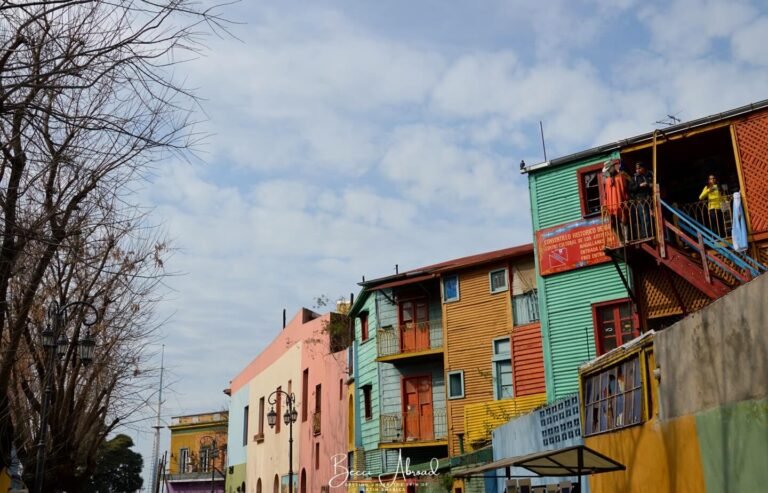
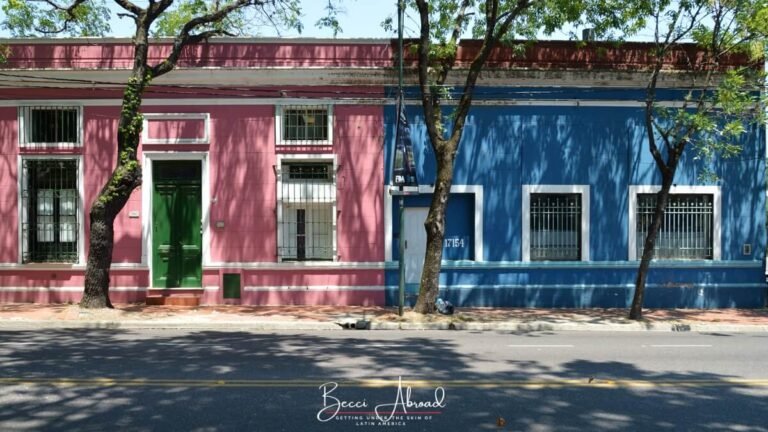
Argentina gives you big city vibes in Buenos Aires with European-looking architecture and Latin American lifestyle, and with a cultural and nightlife scene that runs on a schedule you will need a few days to adjust to.
In Mendoza, Argentina gives you wine country in the foothills of the Andes, perfect for wine tastings as well as hiking.
The Iguazu Falls give you one of the largest waterfall systems on the planet, an impressive experience not to be missed!
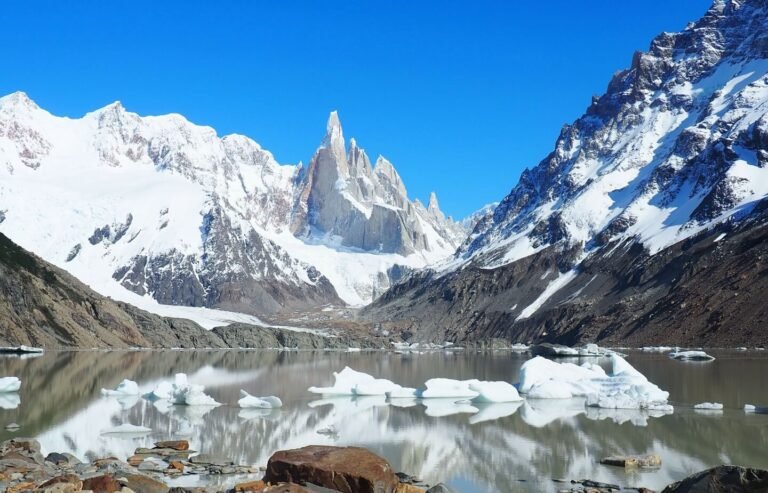
Patagonia gives you breathtaking mountain landscapes, glaciers you can hear cracking from the viewing platform, and unique spots like Peninsula Valdés where you can spot whales off the Atlantic coast.
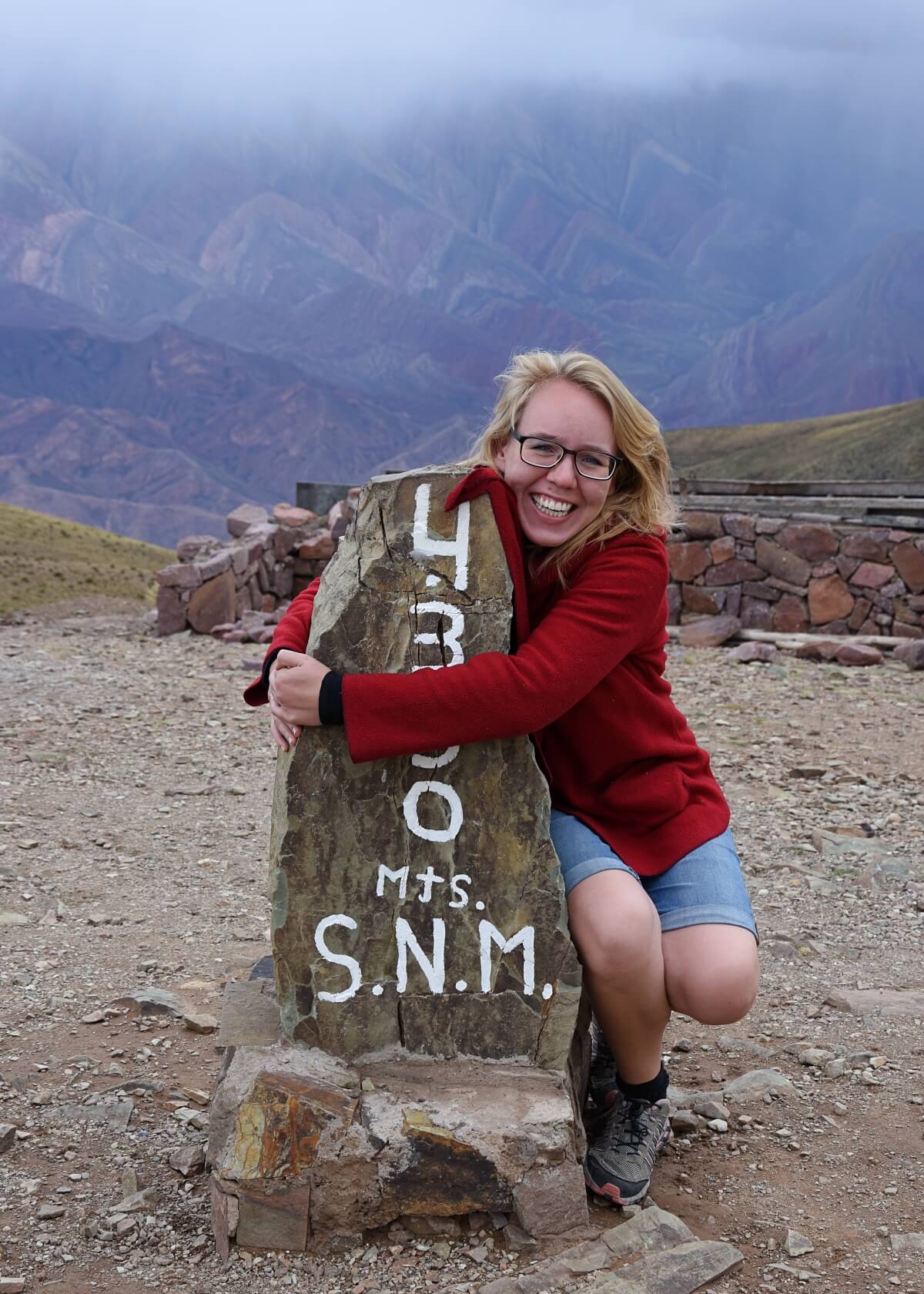
In the Northwest of Argentina, in the Salta and Jujuy Provinces, you’ll find colourful mountains, free-roaming llamas, and cactus as tall as a grown man.
If you are coming to South America for the first time, Argentina is a soft landing, where the culture is rich and unfamiliar, but the logistics are more manageable than in other South American countries, and people are genuinely welcoming.
The short answer is Spanish.
The longer and much more interesting answer is that Argentine Spanish is different enough from the Spanish you learned in school that it will throw you on day one.
Spanish in Argentina is mostly referred to as Rioplatense Spanish, taking its name from the river Rio de la Plata that runs by Buenos Aires.
However, Spanish in Argentina does also have regional differences.
Here are some of the main differences in Argentine Spanish compared to the Spanish you learned in school:
There are also a few indigenous languages still spoken in Argentina, particularly Guaraní in the northeast, Quechua in the northwest, and Mapudungun in Patagonia.
Learn more about Spanish in Argentina with my Argentine language guides:
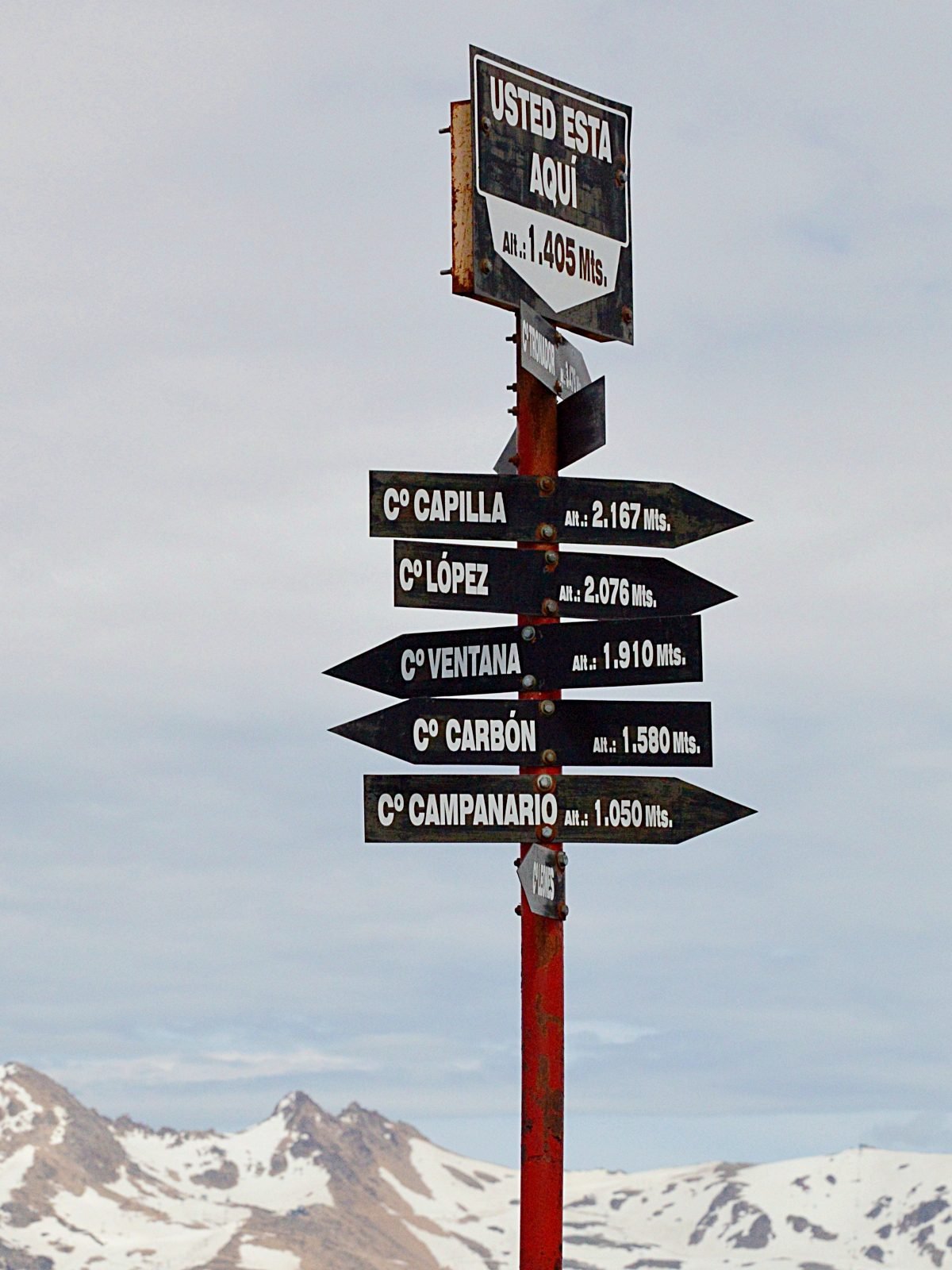
English is less spoken in Argentina than you would hope, and this catches a lot of people off guard.
Compared to the rest of South America, Argentina actually has a high level of English, and especially younger generations are prioritizing learning English. However, in older generations, English isn’t common (my mother-in-law, for example, doesn’t speak English).
In tourist-facing hotels, in Palermo restaurants, on organised tours, and at the major sights, you will find people who speak English.
But step into a neighbourhood parrilla, a bus terminal, a pharmacy, or anywhere in a small town in the northwest or Patagonia, and you should not assume people know English.
Learn the basics in Spanish before you go, like hola, por favor, gracias, la cuenta, ¿cuánto sale? And maybe sign up for a few Spanish classes online before you go.
Knowing a bit of basic Spanish greetings goes a very long way, and Argentines are notably kind about bad Spanish. They will not switch to English to rescue you; they will just slow down and keep going in Spanish, which is honestly more useful if you want to improve your Spanish while travelling in Argentina.
Argentina has 23 provinces and six broad tourist regions, and the distances between them are genuinely long.
Buenos Aires to Ushuaia is a three-and-a-half-hour flight. Buenos Aires to Iguazú is eighteen hours by bus.
Below is an overview of Argentina’s main regions and what kind of trip each one is for.
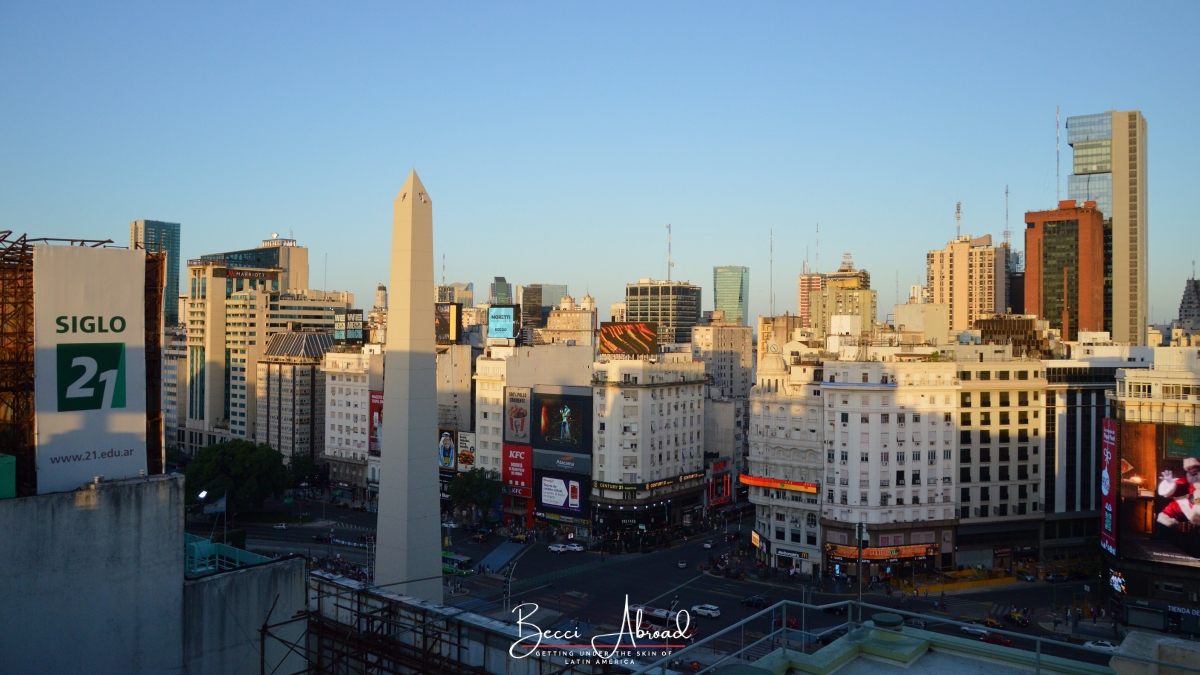
Argentina’s capital and the place I called home for seven years. Grand avenues, faded European architecture, world-class food, tango, and an obsession with football. Almost every trip to Argentina starts and ends here, and it deserves more time than most people give it.
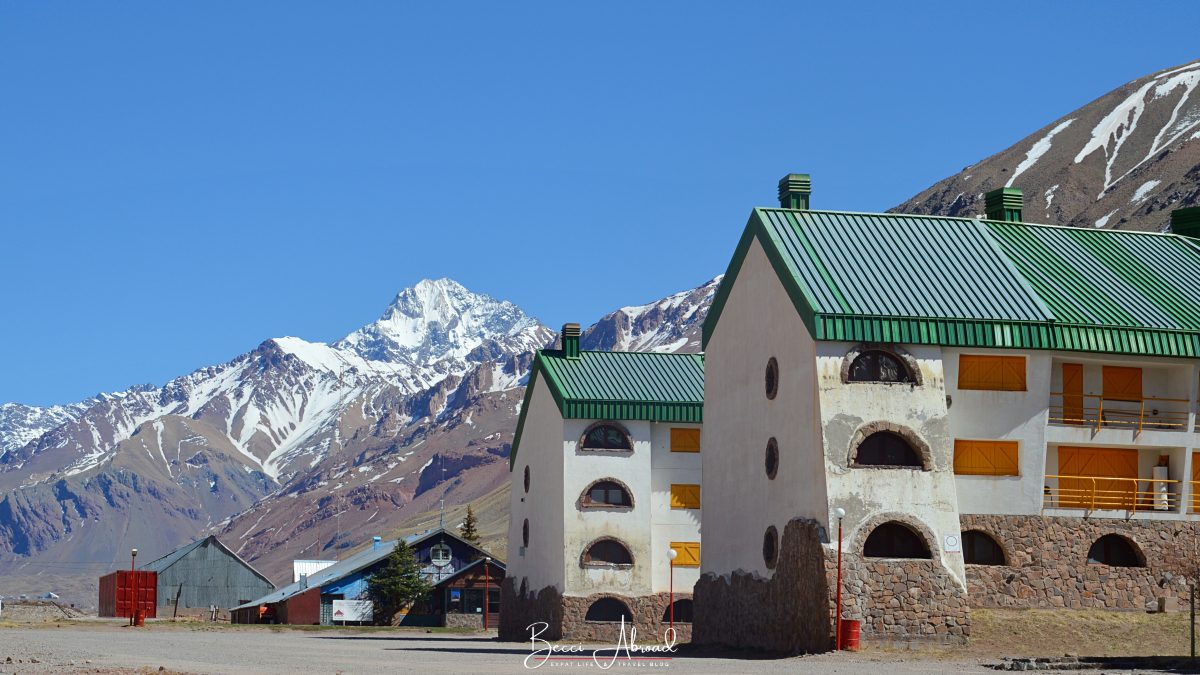
Argentina’s wine country in the western foothills of the Andes, and the home of Malbec. Vineyards with the Andes as a backdrop, the Andes Mountains, and Aconcagua (the highest peak outside Asia).
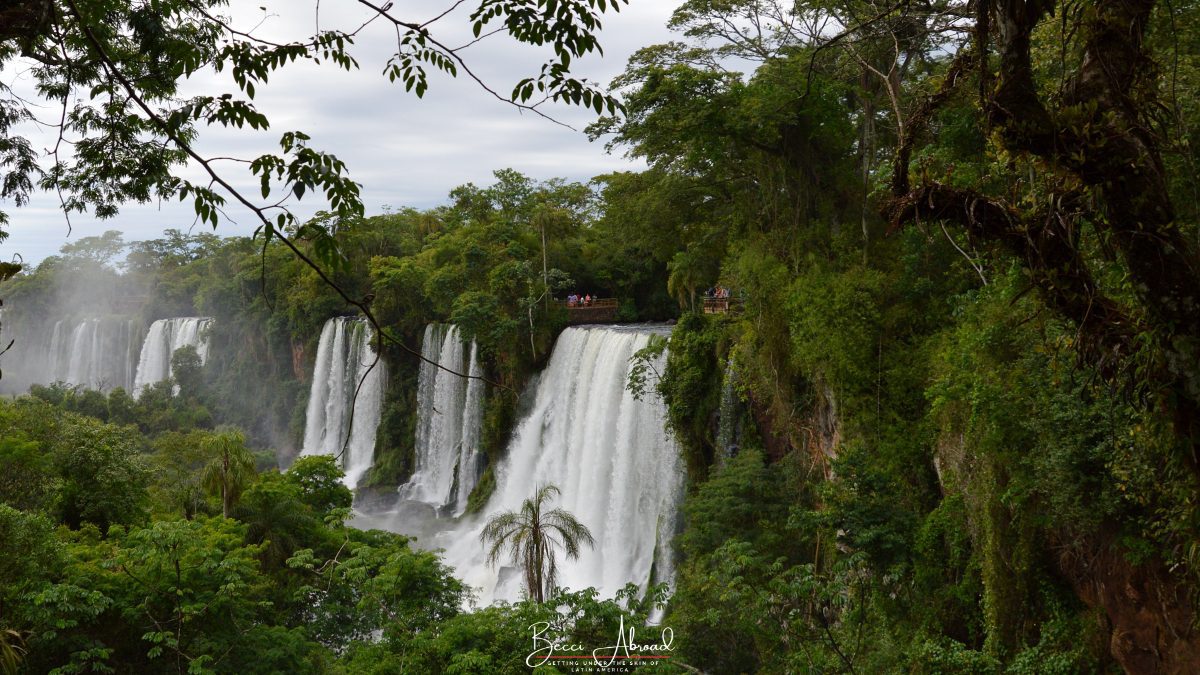
On the border with Brazil in the far northeast of Argentina, you’ll find the Iguazú Falls, one of the world’s largest waterfalls. Two days is enough: one for the Argentine side, one for the Brazilian side if you can cross. The area is hot, humid, and worth every drop of sweat.
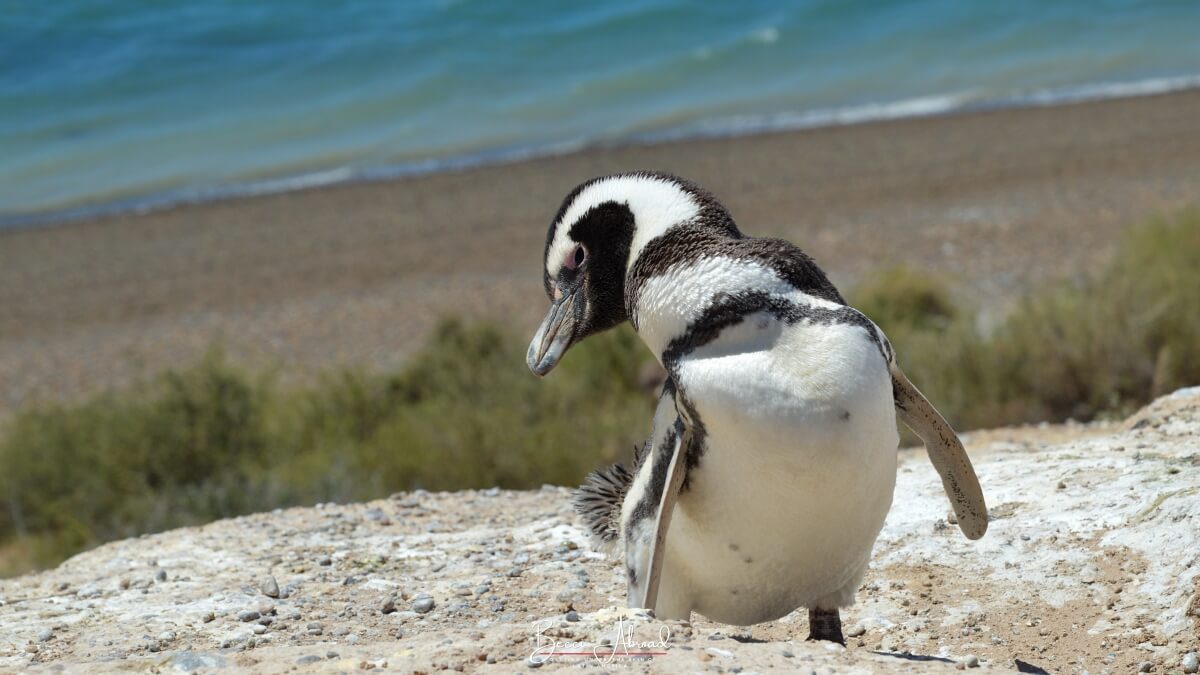
The one people dream about. El Calafate for the Perito Moreno glacier, El Chaltén for hiking under Mount Fitz Roy, Bariloche for lakes and chocolate, Ushuaia for the end of the world, and Península Valdés for whales. Patagonia is huge and expensive, so pick two or three bases.
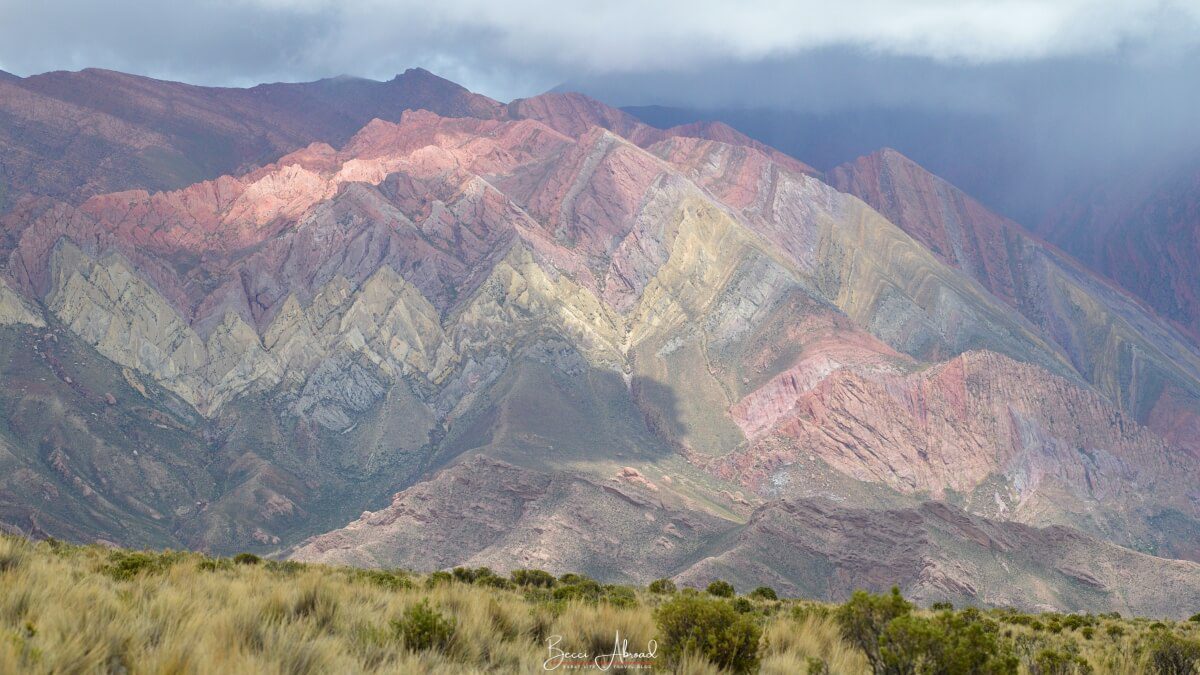
Salta and Jujuy provinces offer multicoloured mountains, high-altitude salt flats, cactus-covered valleys, and the strongest indigenous cultural presence in Argentina. Northwest Argentina is still far less visited than Patagonia but deserve more attention.

Mar del Plata, Pinamar, Mar de las Pampas and the string of beach towns south of Buenos Aires. This is where the whole of Buenos Aires goes in January. It is not the Caribbean, but it is a fascinating look at how Argentines actually holiday.
The best time to visit Argentina depends entirely on where you are going.
There is no single best time to visit Argentina, because the country spans subtropical jungle in Missiones and subpolar ice in Patagonia and Tierra del Fuego.
If you’re planning a hiking trip in Patagonia, you shouldn’t go in winter, and if you want to enjoy a city break in Buenos Aires, it’s best to aim for shoulder season to avoid the hot and humid summers.
Another important fact to keep in mind when planning your trip to Argentina:
Argentina is in the Southern Hemisphere, which means the seasons are reversed compared to Europe and North America.
In Argentina, summer runs December to February, and winter runs June to August.
Spring and autumn are the safest bets if you are moving around a lot.
My favourite time in most of the country. Buenos Aires is at its best with the jacarandás in bloom, the northwest is warm and dry, Patagonia is waking up, and the whale season at Península Valdés peaks. You’ll get fewer crowds and better prices.
15–25°
Summer is your window for visiting Patagonia! If you want El Chaltén, Ushuaia, or the Patagonian road trips, this is when everything is open and the days are absurdly long. December and January are also when all of Argentina takes its holidays, so book far ahead. Buenos Aires is hot, humid and half-empty in January, and Iguazú and the north are brutally hot and humid.
30–45°
Autumn is the wine harvest in Mendoza, and the vineyards turning red and gold. Buenos Aires is close to perfect with warm days and chilly evenings. Patagonia starts shutting down, but offers beautiful colorful leaves on the trees.
20–28°
The winters in Argentina are good for visiting Iguazú and the northwest, where temperatures drop to something pleasant. Most of Patagonia’s hiking is closed, but it’s a great time for skiing in Bariloche and Las Leñas. Buenos Aires is grey and damp but perfectly walkable.
5–15°
Throughout the year, Argentina has some great local events and festivals that are worth keeping in mind when you’re planning your trip to Argentina.
Another thing to keep in mind is that Argentina has a lot of puentes or fines de semana largos, which are public holidays deliberately shifted to create three- and four-day weekends.
During these long weekends, domestic tourism spikes and prices with it. Popular destinations for Argentines to travel during these long weekends are Bariloche, Mendoza, and, during the summer, the Atlantic Coast. I strongly recommend checking the local calendar of public holidays in Argentina before you start planning your trip.
Let’s explore some of the most popular local events and festivals in Argentina:
The Carnaval in Argentina is not as famous as Brazil’s, but several events are taking place throughout the country during February.
Gualeguaychú in the province of Entre Ríos is famous for having the biggest parade during Carnaval in Argentina. While Humahuaca in Jujuy does something completely different and far more interesting, rooted in Andean tradition. You will also find several Carnaval events in Buenos Aires.
Fiesta Nacional de la Vendimía is the national wine harvest festival that takes place in Mendoza every year in early March.
The harvest festival features parades, a crowning ceremony, and plenty of wine tasting events. It is a very popular event in Argentina, so make sure to book accommodation in Mendoza months in advance if you want to participate.
Every year during August, Buenos Aires hosts the world tango championship. Alongside the championship, the city also celebrates a citywide festival of free classes, concerts and milongas.
If you’re visiting during August, I recommend that you take a look at the program for Tango BA Festival as you might find interesting events and shows to attend.
Día de la Tradición, translated as the Day of the Tradition, is an annual gaucho (Argentine cowboy) festival.
Here you can experience horse shows, people dressed up in traditional dresses, and dancing to local Argentine folk music.
Día de la Tradición takes place every year in November in the traditional countryside town, San Antonio de Areco, just outside Buenos Aires.
The mistake I watch people make over and over is planning an Argentina trip like a European one. In Europe, you can see four countries in two weeks. In Argentina, four destinations in two weeks means four internal flights and a lot of airport time.
My honest recommendation is to spend at least ten days in Argentina if you want to explore several parts of the country. If you just want a city break to Buenos Aires, a few days are fine.
Travelling around Argentina, especially to more remote parts, can be very time-consuming and everything doesn’t always go as planned. So try not to overplan, and allow some buffer time for flights and long-distance buses to be cancelled or delayed.
If you’re planning to spend one week in Argentina, I wouldn’t aim for more than visiting Buenos Aires and one other place.
Buenos Aires and Iguazú works well, since Iguazú only needs two days.
Buenos Aires and Mendoza is the other classic pairing, and gives you city plus wine country without a punishing amount of travel.
Do not try to add Patagonia to a one-week trip. You will spend a third of it in transit.
Two weeks is the sweet spot for a first trip to Argentina.
A common route to do with two weeks in Argentina is:
You can also swap Patagonia for Mendoza and Salta and parts of Northwest Argentina if you would rather have wine and desert than glaciers.
Three weeks is when Argentina opens up properly. You can do Buenos Aires, Patagonia and Bariloche, or take on a Patagonian road trip, or add the Atlantic coast and Península Valdés to your Buenos Aires trip.
If you have a month, do less, not more. Argentina rewards slowness, and if you’re planning on visiting more remote parts of the country, you should also be prepared for not everything going as planned (buses being delayed, rental cars not being ready, etc.).
When you are planning your trip to Argentina you should consider whether you’re arriving to Argentina directly from your home country or you are visiting Argentina as part of a longer South America trip.
If you’re coming long-haul from Europe, North America, Oceania or Asia, you’re almost certainly landing at Buenos Aires’ main airport, Ezeiza and connecting onward domestically.
From neighbouring countries, you can arrive to Argentina by car, long-distance buses or by ferry.
Let’s explore each of the options!
The three main airports for national and international flights are Buenos Aires, Córdoba and Mendoza, with Buenos Aires by far the most important hub.
If you’re arriving to Argentina from abroad, you’ll likely arrive to Buenos Aires’ main international airport, Ezeiza International Airport.
Flight tickets to Argentina swing a lot between seasons, and it can be a good idea to be flexible on the dates when researching flights to Argentina. To find affordable flights, I usefully use Skyscanner, Kiwi.com or Google Flights.
Here are some of Argentina’s most popular airports:
Most international flights land at Ministro Pistarini International Airport (EZE), commonly known as Ezeiza International Airport.
Ezeiza Airport is Buenos Aires’ main international airport, about 45 minutes to an hour from the city centre depending on traffic.
The Ezeiza Aiport handles the long-haul routes from Europe, North America and the rest of Latin America.
Ezeiza Airport is a good entry point for starting your Argentina trip.
Aeroparque (AEP) is Buenos Aires’ second airport, and it sits right on the river in the city itself and handles most domestic flights plus a growing number of regional routes to Uruguay, Brazil, Chile and Paraguay.
If your Argentina itinerary has you connecting between an international arrival and a domestic flight, check carefully which airport each uses! A transfer between Ezeiza (EZE) and Aeroparque (AEP) means the you need to cross the entire city of Buenos Aires, and you want at least four hours for it.
Mendoza’s airport (MZD) handles domestic flights plus a handful of international routes, most usefully from Santiago de Chile and São Paulo.
If you are combining Argentina with Chile, flying straight into Mendoza means you can start in wine country without doubling back through Buenos Aires first. The Santiago–Mendoza flight is short, and it saves you the long overland bus over the mountains.
Ingeniero Ambrosio Taravella Airport (COR), usually just called Córdoba airport, sits about 15 km north of the city of Cordoba.
Córdoba airport is Argentina’s second-busiest hub after Buenos Aires. Alongside a full domestic network, it receives a useful handful of regional international flights, mostly from Santiago de Chile, São Paulo and Panama City
Argentina shares borders with Chile, Bolivia, Paraguay, Brazil and Uruguay, and overland crossings are common and straightforward.
The Mendoza–Santiago de Chile long-distance bus crosses the Andes over the Paso Los Libertadores and is a spectacular ride, though delays at the border are normal.
From Bolivia, the crossing at La Quiaca–Villazón with a long-distance bus drops you in Jujuy province.
From Brazil, you can reach Argentina overland by bus. By far the easiest crossing for most travellers is at the Iguazú Falls, where Foz do Iguaçu on the Brazilian side and Puerto Iguazú on the Argentine side sit right across the river from each other.
Regular local buses run between the two towns all day, and the crossing takes around two hours, including both immigration stops.
If you’re travelling from further south in Brazil, the other main route is the Paso de los Libres–Uruguaiana bridge in Corrientes province, which connects to the road network heading down to Porto Alegre and the Brazilian coast, though it’s used far more by locals and long-distance buses than by tourists.
Argentina shares a border with Uruguay by the river, Río de la Plata, and there are local ferries connecting the two countries daily.
The ferry operators Buquebus and Colonia Express run fast ferries across the Río de la Plata from Montevideo and Colonia del Sacramento in Uruguay straight into central Buenos Aires.
From Colonia, it takes about an hour, making the ferry trip to Colonia del Sacramento a popular day trip to do from Buenos Aires.
Argentina is a massive country, and it is not always easy to get around, especially if you’re planning on visiting remote places in Argentina.
Domestic flights, long-distance buses, and car rentals are your best options for getting around Argentina.
Let’s explore them one by one:
Domestic flights in Argentina are your best option to get around if you’re travelling over long distances during your Argentina trip.
Three airlines operate domestically in Argentina: Aerolíneas Argentinas (a state-owned company with the widest network), JetSmart and Flybondi (both low-cost, both with a reputation for delays and cancellations that you should factor into any tight connection).
Many domestic routes are hub-and-spoke routes through Buenos Aires. Meaning that if you’re planning on travelling from Bariloche to El Calafate, or Salta to Mendoza, you would need to make a stop by Buenos Aires first. So, make sure to check the flight connections while you plan out your Argentina itinerary – not after!
Argentina has an excellent and extensive network of long-distance buses, which are generally more affordable than the domestic flights.
However, what you gain in lower prices, you lose on time! The long-distance buses in Argentina are a lot slower than the flights, and the long distances in Argentina mean that a bus route can easily take 10 – 20 hours.
The tickets for the long-distance buses have different classes of seats:
– Semi-cama means that the seat reclines partially.
–Cama means that the seat reclines nearly flat and meals are usually included.
– Cama suite / ejecutivo means that the seat reclines to fully flat, and the seat is wider and more comfortable.
Personally, I use Plataforma 10 or Busbud to look for long-distance bus tickets.
Argentina’s long-distance rail network is a shadow of what it was. However, there are a few routes still running, including Buenos Aires to Mar del Plata and Buenos Aires to Rosario.
Despite seven years in Argentina, I never once used the train as the schedules are limited, the speed of the trains is slow, and tickets are normally not competitive with the long-distance buses.
Renting a car in Argentina is a great option if you want to explore more remote areas and go at your own speed without depending on domestic flights and bus routes.
Having a car is especially worth it for exploring the Patagonian Ruta 40, the valleys around Salta and Cafayate, the wine roads outside Mendoza, and the Lake District around Bariloche. However, having a rental car is not at all worth it in Buenos Aires, where driving and parking are chaos!
One-way rentals between distant cities are often either very expensive or simply not allowed in Argentina.
Getting around Argentina’s largest cities is very easy as most of the cities have excellent public transportation systems.
Buenos Aires has a proper subway, called el subte, an extensive bus network (colectivos), commuter trains to surrounding cities like the Tigre Delta, and plenty of bicycle lanes.
In the past, you had to get a SUBE transportation card to use the public transportation in Buenos Aires. However, since 2025, you can now tap a contactless debit or credit card on the subway and most buses in Buenos Aires, which is brilliant if you’re only spending a few days in Buenos Aires. Keep in mind that you still need a SUBE for the commuter trains in Buenos Aires.
Outside Buenos Aires, Mendoza, Córdoba and Bariloche all have workable bus systems. In Mendoza, you also have a tram that connects the city of Mendoza to one of the wine areas, Maipú.
In most Argentine cities you’ll find both taxis and a local private car service, called remis services.
A remis is a private car with a driver that offers fixed rates for shorter and medium distance routes. Ask at your hotel for a recommendation or look up options in the city you’re in online. Most of the remis companies will only attend in Spanish.
Ride-hailing apps also work well in most Argentine cities. Cabify is the fully legal option and my default for getting around larger cities in Argentina. Other options are Uber and DiDi (ride-sharing app), which also operate in Argentina.
We cannot talk about travel to Argentina without talking about Argentina’s complicated money situation!
For years, Argentina ran strict currency controls, which created a huge gap between the official exchange rate and the parallel and informal “blue dollar” rate.
For travellers to Argentina, this meant paying with a foreign credit card was not beneficial since foreign cards were charged the official exchange rate. On-site informal exchange offices in Argentina, called cueva, would charge the informal “blue” exchange rate, which at some point was close to double the amount compared to the official exchange rate.
So, most people recommended travellers carry physical US dollar bills with them to Argentina and exchange them in the informal exchange offices, primarily around Calle Florida in downtown Buenos Aires. It was risky business, as some unofficial exchange offices would try to fool recently arrived tourists with fake Argentine peso bills. However, the benefit was, of course, to avoid paying by card and losing half your money.
However, this situation is old news now!
In April 2025, the Argentine government lifted most of the currency controls, and the gap between the official rate, the blue rate, and the card rate has collapsed to a few percent.
A few things to keep in mind about managing your money when you visit Argentina:
Lastly, a little note on how much money to exchange in Argentina: do not exchange all your money to Argentine pesos all at once – especially if you’re travelling in Argentina for a longer period of time.
Currency exchange rates still fluctuate, and inflation is still high in Argentina, so it can be beneficial to exchange smaller amounts of cash to Argentine pesos.
Argentina was famously cheap for foreign visitors during the currency crisis years, but today that window has largely closed. The peso strengthened, prices rose, and Buenos Aires is no longer the bargain it was in 2022.
Argentina is still good value compared to many Western European countries and the U.S., particularly for eating out, wine, taxis and public transport.
Patagonia is genuinely expensive due to high prices for domestic flights, entrance fees for natural parks, and excursions add up fast. In many natural parks in Argentina, foreigners pay higher entrance fees than residents, so it’s a good idea to check the prices beforehand.
One way to save a bit on your Argentina trip is to make sure you get the 21% VAT exemption on your hotel stay.
Foreign tourists are exempt from the 21% VAT on hotel stays in Argentina as long as you are a non-resident and pay with a foreign card or a transfer from a foreign bank. The VAT exemption also applies to hotel stays with breakfast if the rate includes breakfast.
It is a discount that is applied immediately, so it’s not a refund you need to claim later. Bring your passport and your entry stamp.
However, mind that this doesn’t apply to Airbnb-type informal accommodation or to anything paid in pesos with an Argentine card.
The centrepiece of Argentine social life is the asado.
An asado is not just a standard barbecue! In Argentina, an asado is a whole afternoon event: someone lights the fire hours in advance, cuts of meat come out in a specific order, everyone drinks wine and argues, and nobody leaves the table for a very long time.
The sobremesa, the event of the sitting-around-after-eating part, is not an afterthought. It is the point.
Meal times in Argentina run late, and you will most likely not find a local restaurant serving dinner before 8 pm – at least not outside the touristy areas.
Lunch in Argentina is normally around 1 pm to 2 pm. Then there is merienda in the late afternoon around 5 pm or 6 pm, which is coffee, maté, and medialunas (Argentine croissants).
Dinner rarely starts before 9 pm, and if you turn up at a restaurant at 7.30 pm it either means eating alone or having to wait until the kitchen opens at 8 pm.
Another cultural institution in Argentina is maté, the bitter herbal drink shared from a gourd with a metal straw.
You’ll see maté everywhere: friends sitting in a park drinking a maté together, colleagues sharing a maté while working, students drinking a maté during class.
If someone hands you a maté, there is etiquette involved:
Wine in Argentina also deserves a mention, with the Malbec from Mendoza being the star of the show, and I strongly recommend trying a glass or two of Malbec if you enjoy red wine.
Another red wine that Argentine winemakers have got quite good at is Cabernet Franc, so I recommend giving that a try too!
However, if you are more into white wines, my local favorite is the Torrontés from Cafayate in the northwest. Torrontés is a crisp and fruity white wine.
Lastly, the local favorite for asados and nights out with friends: Fernet con Coca.
Fernet is a bitter Italian herbal liqueur that Argentines mix with Coca-Cola. In my opinion, it tastes like cough medicine, and I have never gotten around to liking it!
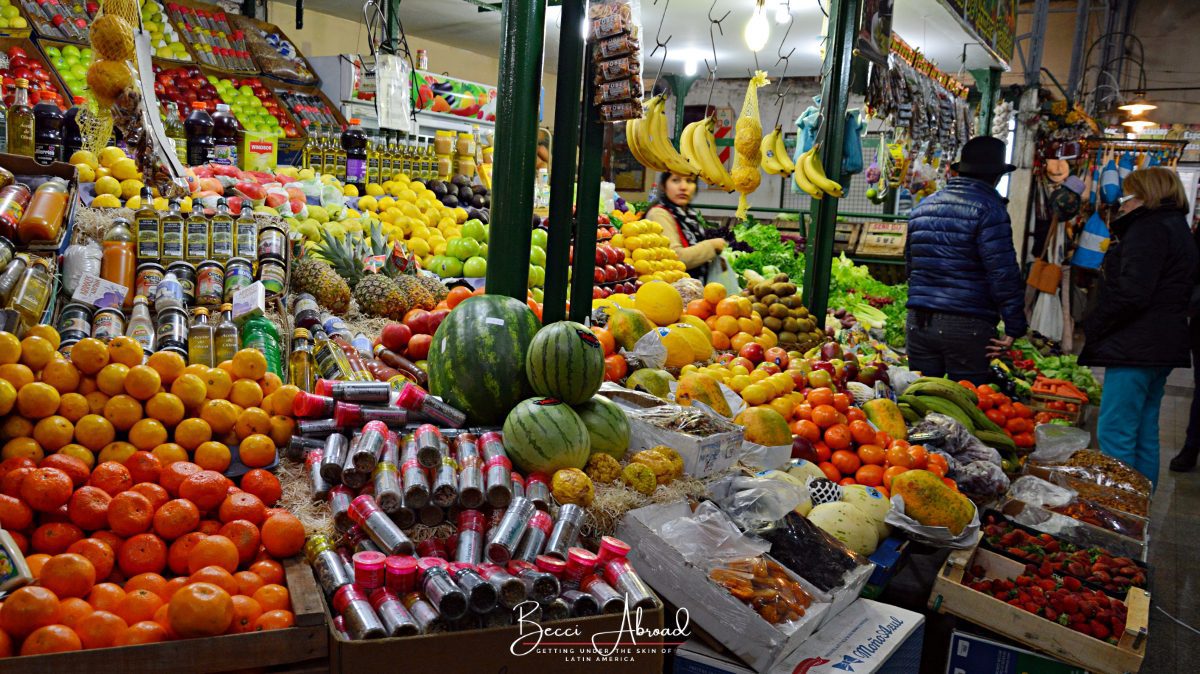
Here are some of the popular food and dishes you should try during your trip to Argentina:

Asado is grilled meat cooked slowly over wood or charcoal. An asado serves different cuts of meat such as tira de asado, vacío, entrañas (my favorite), and bife de chorizo. Order your meat jugoso if you want it anything less than well done, and al punto if you want it just before it’s well done.

Empanadas are baked or fried salty pastries, often eaten for lunch or as a late evening snack. Every province in Argentina claims theirs are best. Salteñas are small, juicy and spiced; Tucumanas are hand-cut beef; Mendocinas are bigger and often baked in a clay oven.

Milanesas are breaded meat cutlets, and it’s the true everyday food of Argentina. You can order a milanesa napolitana and get it topped with ham, tomato sauce, and melted cheese.

Choripán is a classic Argentinian street food where a chorizo sausage is eaten with bread as a sandwich and usually topped with the local chimichurri sauce. Choripán is usually eaten standing up at a street cart, ideally outside a football stadium, or as a starter at an asado.

Dulce de leche is a sweet caramel sauce that Argentines love, and it is in everything in Argentina: ice cream, pastries, and spread on toast at breakfast. Alfajores are two soft biscuits sandwiched with dulce de leche and sometimes coated in chocolate.
Locro is a thick stew of corn, beans, squash and meat, eaten on national holidays, particularly 25 May and 9 July. Locro is deeply traditional, and the food you will be fed if you get invited to an Argentine home in winter.
Explore the map below to learn more about Argentina and the many different destinations to visit in Argentina.

I went to Buenos Aires for a semester abroad and did not come home for seven years.
I arrived in 2016 to study, ended up doing a Master’s Degree in Latin American Politics, and started my professional career there. Somewhere in the middle of all that, I met the Argentine I later married.
Those seven years gave me the country from the inside rather than the outside: family asados in Mendoza, the political arguments, the December heat, the endless bureaucracy, the friendships that made a foreign city feel like mine.
We left for Spain in 2023, and I will be honest, I still miss Buenos Aires every now and then. Argentina is the place I know best in the world, and the place I keep going back to.
Find answers to commonly asked questions about Argentina.
Yes, Argentina packs a world-class capital city, glaciers, wine country, waterfalls and deserts into one country.
Argentina is also one of the more welcoming and manageable countries in South America for a first-time visitor.
Spring (September to November) and autumn (March to May) are best for visiting most of the country.
Summer (December to February) is the most realistic window for hiking in Patagonia, but it is peak season everywhere.
Remember the seasons are flipped in Argentina from the northern hemisphere.
Citizens of the EU, UK, US, Canada, Australia and New Zealand can visit visa-free for up to 90 days with a valid passport.
Always verify current requirements before travelling
Argentina is less expensive than Western Europe or the US, but no longer the bargain it was during the currency crisis years.
Buenos Aires offers good value for food, wine and transport. Patagonia is genuinely expensive and should be budgeted for separately.
Bring both cards and cash (preferably US dollars) to exchange to Argentine pesos.
Since currency controls were lifted in April 2025, foreign cards give a rate close to the best available, so you no longer need to carry huge amounts of cash.
But bring some US dollars to exchange when you arrive in Argentina, because many places in Argentina (especially in smaller, more remote areas) are cash-only. Discounts on paying in cash are also common.
Spanish, but a distinctive variety. Argentines use vos instead of tú, pronounce ll and y like the “sh” in “shoe”, and use a local slang called Lunfardo.
Guaraní, Quechua and Mapudungun are also spoken regionally. English is common in tourist areas but not outside them.
Use domestic flights for longer distances and long-distance buses for medium routes.
For more remote areas like Patagonia and Northwest Argentina, it can be a good idea to rent a car as public transportation is limited.
Asado, empanadas, milanesa napolitana, choripán, provoleta, and as much dulce de leche and ice cream as you can manage.
Yes, overall. Take normal big-city precautions in Buenos Aires against pickpocketing, especially on public transport and in tourist areas. Smaller towns and rural areas are safe.
Sign up for my monthly travel newsletter with travel tips and hidden gems! You can unsubscribe at any point!