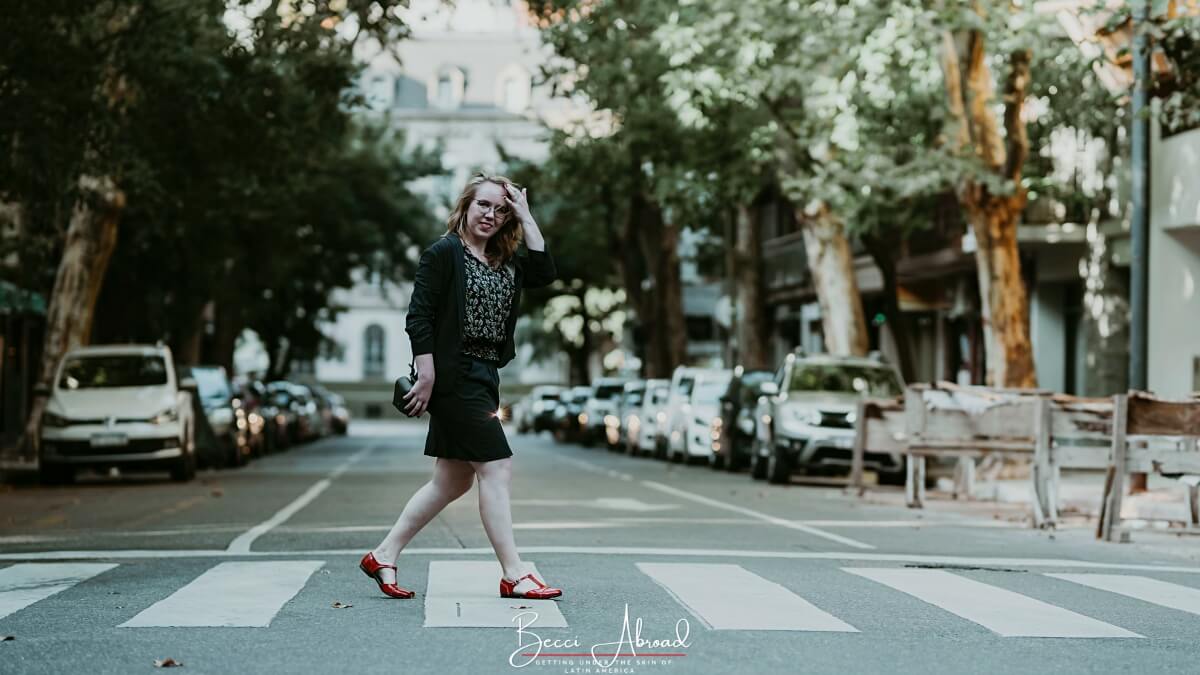
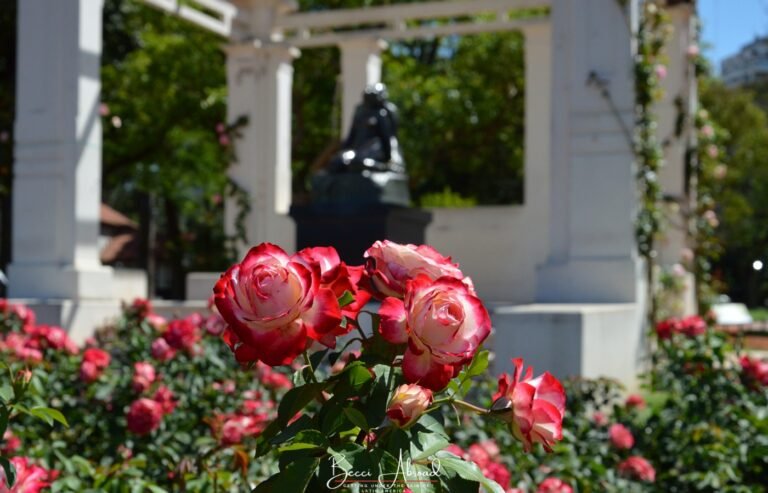
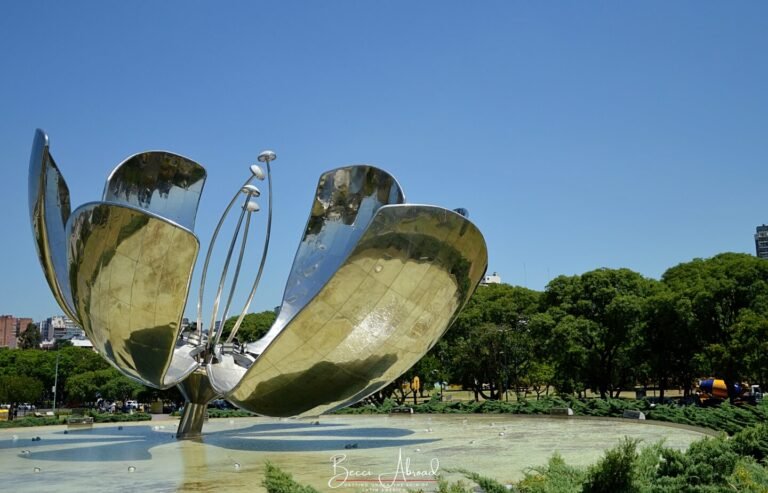
I moved to Buenos Aires, Argentina‘s capital, in 2016, planning to stay for six months. I left seven years later, married into an Argentine family, with a Master’s in Latin American politics and a permanent weakness for dulce de leche.
You’ll read everywhere that Buenos Aires is the “Paris of South America.” And it isn’t wrong!
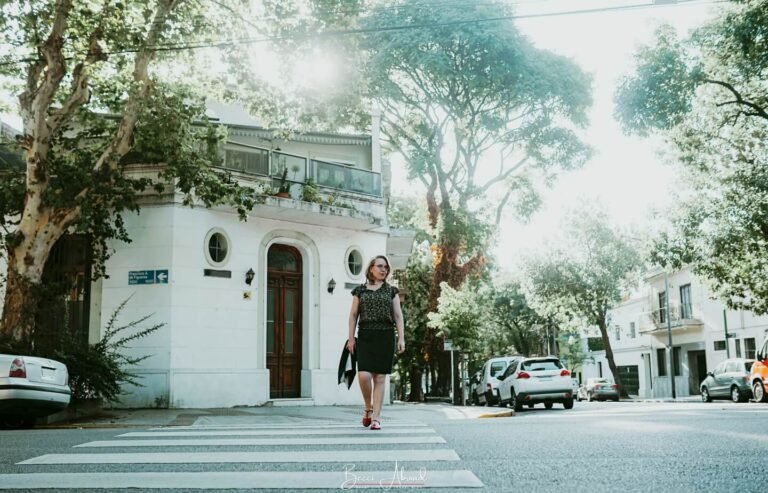
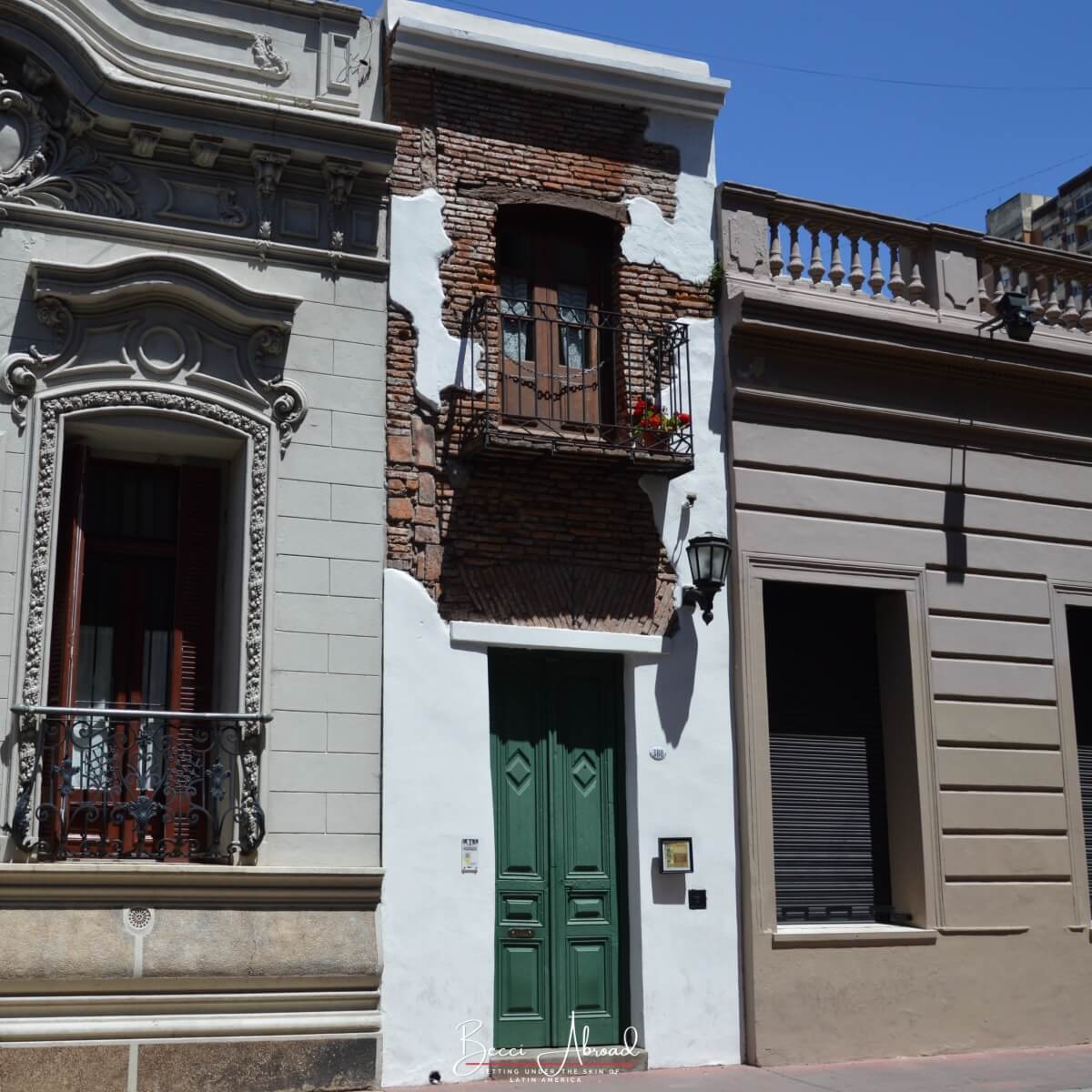
Waves of European immigrants arrived in Buenos Aires in the late 19th and early 20th centuries and built a city that looks a great deal like the one they’d left, all grand boulevards, French facades, and wrought-iron balconies.
This description is not the whole truth about Buenos Aires. Because Buenos Aires is not a European city that ended up in the wrong hemisphere.
Buenos Aires is louder, later, warmer and far more chaotic than Europe. In Buenos Aires, dinner starts at ten, and a football match can shut down a neighbourhood (trust me, I have tried it!).
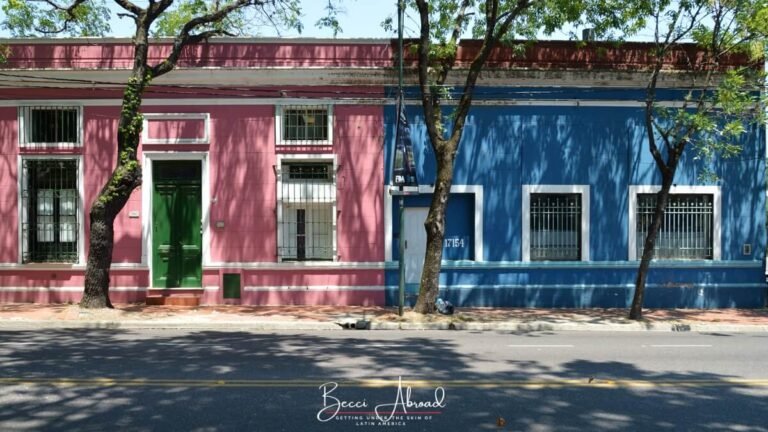
The architecture everyone photographs is usually a little cracked around the edges, which is precisely what makes it beautiful.
Coming from Denmark, almost none of it made sense to me at first. I remember being confused by things a local would never think to explain. Why nobody eats dinner before nine. Why exchanging money can be a headache in Buenos Aires. Why every local porteño has strong opinions about which barrio you should stay in.
This Buenos Aires travel guide is everything I worked out over those seven years, written for the version of me who arrived in 2016 with a backpack and no idea what a colectivo was.
This travel guide has all the practical stuff from money, safety, getting around, when to visit, where to stay, things to do in Buenos Aires and, of course, the best food to try!
Jump around the sections however you like, and dip into my additional Buenos Aires resources whenever you want to go deeper.
Disclosure: Some of the links below are affiliate links. This means that at no additional cost to you, Becci Abroad will earn a commission if you purchase through one of those links. This helps to pay the bills and the maintenance of the site.
Explore in More detail
Choose your kind of Buenos Aires
Buenos Aires offers many fascinating things to do and exciting places to visit. Choose the type of Buenos Aires travel tips you are looking for below.
City Guides
Buenos Aires Landmarks
Explore the best things to do in Buenos Aires from famous landmarks to unique experiences.
Local picks
Buenos Aires Hidden Gems
Day Trips
Buenos Aires Day Trips
Itineraries
Buenos Aires Itineraries
Detailed Buenos Aires posts
Explore my detailed posts about Buenos Aires to help you plan your trip and get under the skin of Buenos Aires!
Buenos Aires is the capital of Argentina and the largest city in the country.
Buenos Aires is located on the southeastern coast of South America, facing the Atlantic Ocean and on the western shore of the Río de la Plata, bordering Uruguay. Río de la Plata translates as the “River of Silver”.
Buenos Aires is the most populated city in Argentina and is located in the northeastern corner of the country.
Population
3.12 million
within city limits
Language
Spanish
with a special accent
Currency
Argentine Pesos
ARS $
Region
Buenos Aires
Northeast Argentina
Power
Voltage (220V)
Plug type I & C
Emergency
911: police
107: medical
100: firefighters
What language do they speak in Buenos Aires?
In Argentina and Buenos Aires, locals speak Spanish.
Spanish in Argentina has a unique accent and, at times, a completely different vocabulary compared to other Spanish-speaking countries.
In Argentine Spanish, the double-L and Y are pronounced “sh” — so calle becomes “ca-shay” and playa becomes “pla-sha.” And Argentines use vos instead of tú, with its own verb forms. Don’t panic if your textbook Spanish suddenly feels useless. Mine did too.
Spanish in Buenos Aires is often referred to as Castellano Rioplatense or River Plate Spanish because it’s the Spanish spoken in the region around the Rio de la Plata.
The locals of Buenos Aires are called porteños, and their Spanish accent is different from that in other parts of Argentina.
Basic Spanish words worth knowing
You can get by with English in tourist areas, but Buenos Aires is far less English-speaking than most European capitals. Even a handful of Spanish words goes a long way here, and porteños are genuinely warm about it when you try.
Here are a couple of easy, basic Argentine Spanish words that will help you get by in Buenos Aires – and bring a smile to locals for trying to embrace their way of speaking Spanish:
Che is used as a filler word and means something like “hey” or “mate”. It is usually dropped at the start or end of sentences.
The use of the word “che” is so characteristically Argentine that it’s how Ernesto “Che” Guevara got his nickname while abroad: everyone knew where he was from the moment he opened his mouth.
Dale is the most useful word on this list!
“Dale” simply means yes, okay, sure, go ahead, or sounds good in Argentina.
You can answer almost anything with it. If you learn one word before landing, make it this one.
Bárbaro means “great” – not barbaric!
Bárbaro is a great, easy little word to learn before travelling to Buenos Aires to confirm agreements with locals in their way. Your taxi driver saying “bárbaro” is agreeing enthusiastically, not describing something savage.
Boludo is technically an insult, and context is everything when using it! If you listen carefully when Argentines speak to each other, you will hear “boludo” used very frequently.
Between friends, “boludo” is a term of affection. “Che, boludo” is roughly “hey, mate.”
However, if you hear somebody shout “boludo” at a stranger in traffic, it means exactly what you think. My advice is to enjoy hearing it and hold off on using it until you know people well.
Quilombo describes chaos or a mess, and it is properly one of the most used words in Buenos Aires!
When you arrive in Buenos Aires, you will start to understand why “Quilombo” is such a used word: A transport strike, a protest blocking Avenida 9 de Julio, a restaurant with no free tables.
The hectic life in Buenos Aires can easily be described with one word: “quilombo”.
Before you go
Planning your Buenos Aires trip
There are many things to consider when preparing your trip to Buenos Aires. In this section, I will explore some important things to know when you start planning.
Buenos Aires is quite a big city, and if you’re relying on public transportation to get around, it might add some additional waiting time to your Buenos Aires itinerary.
Buenos Aires is about as safe as any large city such as New York, Madrid, or London.
I lived in Buenos Aires for seven years and never had a serious problem, but Buenos Aires is a big Latin American capital, and you should take some precautions when visiting.
A few practical tips for staying safe during your Buenos Aires trip:
Leave your passport at your accommodation and take a copy with you around the city.
Use a zipped cross-body bag or keep your backpack in front when you see locals doing so.
Don´t keep anything in back pockets.
Avoid leaving your phone on the table at restaurants or cafés and keep it in your bag when walking around.
Use Uber or Cabify at night rather than hailing a taxi on the street.
Leave anything valuable or irreplaceable at home.
The main issues of petty crime you should watch out for in Buenos Aires are:
Phone snatching (moto chorros) is more than pickpocketing. Motorbike and bicycle thieves grab phones out of hands on the street. Try to avoid walking along a main avenue with your phone out, don’t put it on the café table, and don’t film out of a car window. This is the single most common thing that happens to visitors.
Pickpocketing is also common in Buenos Aires, especially in busy areas in Downtown Buenos Aires and on public transportation. Keep your hand over your backpack or in front of you to avoid falling into the hands of the pickpockets.
Certain areas of Buenos Aires are safer than others. The areas north of Avenida Corrientes ( Palermo, Recoleta, Belgrano) have noticeably lower crime rates and are also good places to stay during your visit to Buenos Aires.
San Telmo is fine during the day and around the main streets; however, you should be a bit more careful in this area after dark. I have met up with friends for beers in San Telmo in the evening without any issue, but it isn’t the nicest area in Buenos Aires after dark.
In La Boca, stay on and immediately around Caminito and don’t wander off it, even in daylight.
If you are travelling around Argentina and arrive in Buenos Aires via the Retiro bus station, you should be very vigilant of your belongings. The area around the Retiro bus station isn’t the nicest area of Buenos Aires, and is infamous for thieves roaming around waiting for an unaware newly arrived.
When is the best time to visit Buenos Aires?
My favorite season to visit Buenos Aires is in the spring (October through November).
The seasons in Argentina are reversed compared to the U.S. and Europe because Argentina is located in the Southern Hemisphere.
In spring, the weather in Buenos Aires is neither too hot nor too cold. There are many sunny days without it being unbearably hot. In November, the Jacaranda trees bloom all over Buenos Aires,leaving the city in a picturesque purple tone.
The fall (April through May) can also be very charming. The heat of summer is disappearing, and the first cold nights will paint the city’s many trees in different shades of orange and yellow.
The winters (June through August) are chilly, gray, and rainy. The weather is very unstable, changing from sunny days to weeks of constant rain.
The summers (December through February) are warm and humid. During January, Buenos Aires turns into a ghost town. Many locals leave for summer vacation at the beaches down the Atlantic coast from Buenos Aires.
Shoulder Season – My Pick
Spring
September -November
My favourite time in Buenos Aires, without question. Warm days, cool evenings, and the city spends the whole season outdoors. In November, the jacaranda trees bloom and drop purple flowers across entire avenues! It’s the single most beautiful thing about this city, and it lasts about three weeks.
18–26°
Peak Season
Summer
December – February
Summers in Buenos Aires are hot and humid. It’s peak season for international visitors escaping the northern winter, but January is when porteños leave for the Atlantic coast, so the city empties out. Some restaurants and shops close for weeks. The upside is a quieter, slower Buenos Aires and spectacular late-night bar culture once the heat breaks.
28–35°
Shoulder Season
Autumn
March – May
Autumn in Buenos Aires is underrated and well worth a visit. The summer heat drops away, the city fills back up, and the trees turn orange and gold across Palermo and Recoleta. March and April are excellent for walking the city all day without melting.
16–24°
Low Season
Winter
June – August
The winters in Buenos Aires are grey, damp and chilly (though as a Dane I’d stop short of calling it cold!). It rarely freezes and never snows. There are fewer crowds, cheaper accommodation, and it’s the best season for the things Buenos Aires does indoors, but I would personally recommend waiting until spring to visit.
8–16°
What to pack for Buenos Aires?
Buenos Aires is a very casual city, so pack jeans, t-shirts, and sneakers for your trip to Buenos Aires.
In the city center of Buenos Aires, you might find locals nicely dressed in suits and business wear, but that’s mostly because many local courts, public administration, and financial offices are located in Downtown Buenos Aires.
In the summer, the weather in Buenos Aires is warm and humid, so pack light with clothes that aren’t too tight – they will find a way to stick to your body anyway!
In the winter, Buenos Aires can become pretty chilly (not a Danish cold winter at all!), so pack plenty of layers! A winter jacket and a sweater wouldn’t hurt.
Shoulder Season: jeans, t-shirts, a light jacket, and sneakers.
Summer: light clothes in fresh fabrics like linen and cotton, shorts, t-shirts, summer dresses, and plenty of sun cream.
Winter: winter jackets, sweaters, jeans, and sneakers or light boots
Apps to download before you arrive
When you are preparing your trip to Buenos Aires, there are a couple of apps that might help make your travel experience smoother.
Consider downloading some of these apps onto your phone before arriving in Buenos Aires, so you don’t have to spend time downloading and setting them up when you are in Buenos Aires.
WhatsApp
WhatsApp is a free messaging app that can be used for everything from texting to calling. Argentines use WhatsApp for almost everything — even my Argentine bank has a WhatsApp account!
WhatsApp is a great app to download for coordinating with tour guides, Airbnb hosts, and restaurant reservations! Many local companies even use WhatsApp for taking reservations!
GoogleMaps
Google Maps works very well in Buenos Aires for public transportation or restaurant reviews.
While living in Buenos Aires, Google Maps was the only map app I ever used.
Google Maps might not be super precise with the arrival time of buses and subways in Buenos Aires, but none of the transportation apps are!
Cómo Llego and Moovit
Cómo Llego and Moovit are two local alternatives to Google Maps.
Cómo Llego is an app and online map for Buenos Aires, developed by the local city council. It works similarly to Google Maps, but is a bit more buggy in my experience.
Moovit is an app for itineraries with public transportation. The great thing about Moovit is that it sends alerts when there are strikes or road blockages in the city (a very common problem in Buenos Aires).
Travel eSim
Orbit Mobile is an affordable travel eSIM for Argentina.
Having data from the moment you land matters more here than in most places.
Almost everything in Buenos Aires runs through WhatsApp and Instagram, from restaurant bookings to your remis driver.
Get 20% off your eSIM with the discount code BECCI20
Money in Argentina used to be complicated. It’s much simpler now, and most advice you’ll find online is out of date.
For years (and I lived through some of them, so I know!) there was a large gap between the official exchange rate and the informal “blue dollar” rate, which meant that bringing physical US dollars and exchanging them at an unofficial exchange office, called a cueva, got you far more pesos than using a card.
Through 2025 and into 2026, that gap collapsed to a few percent. The complicated option and the easy option now land in roughly the same place.
Is Buenos Aires Expensive to Visit?
This is the question I get asked most, and the honest answer changed a lot in the last two years.
Buenos Aires used to be famously cheap for foreign visitors. This wasn’t because prices were low, but because of the huge gap in the exchange rates. That gap has largely been closed now because of government action.
Through 2025 and into 2026, the official, financial, and informal “blue” rates converged to within a few percent of each other, so the enormous discount visitors used to get simply isn’t there anymore.
What that means in practice: Buenos Aires is now moderately priced rather than very cheap when you visit from abroad.
Buenos Aires is still noticeably cheaper than Western Europe or the US, especially for eating out, wine, taxis and public transport. But it’s no longer the bargain it was in 2022 or 2023.
One thing worth keeping in mind: Argentina is cheap for you, not for the people who live there. Inflation has been brutal on local salaries. Tip properly, don’t haggle in markets, and be aware that the price that feels like nothing to you may represent real money to the person you’re paying.
How to Pay for Things in Buenos Aires?
A question that seems to continue to come up is how to actually pay for things in Buenos Aires.
Before 2025, the best way to pay in Buenos Aires was to exchange dollars at the unofficial “blue” rate and pay everything in cash with Argentine pesos.
However, now in 2026, you have a bit more options:
Credit/Debit Cards
Foreign Visa and Mastercard payments settle at a rate close to the financial rate. For most visitors, most of the time, this is now the simplest and best option to pay in Buenos Aires. Cards are widely accepted in Buenos Aires, in larger restaurants, shops, supermarkets, and taxis. However, you will still find places that only accept cash.
Cash
Always carry some pesos! Make sure to exchange money and get some physical Argentine pesos! Buenos Aires, and Argentina in general, is still a very cash-based society, and some small shops, kiosks, market stalls, and some taxis are cash-only.
Travel Cards
While you can use your personal credit or debit card from back home for purchases in Buenos Aires, I would also recommend getting a travel debit card like Wise or Revolut as a backup card. Sometimes, foreign cards don’t work well in Buenos Aires, and having a backup is always useful when travelling.
How to Exchange Money in Buenos Aires?
When travelling to Buenos Aires, you should still make sure to exchange some money to Argentine pesos.
But how do you actually exchange money in Buenos Aires?
In my opinion, the two best ways to exchange money in Buenos Aires are:
Transfer services: My preferred way to exchange money in Buenos Aires is to use an online transfer service like Western Union. Through their website, you can choose the amount of money you wish to transfer. You use your credit or debit card from home to pay the transfer, and you go to the nearest Western Union office to pick up the transfer in Argentine pesos. My recommendation is not to transfer too large an amount of money, as some Western Union branches run out of pesos. You can lose an afternoon or be told to come back tomorrow. I used Western Union constantly when I lived in Buenos Aires, and the exchange rate gap was large.
Cash USD at an official exchange office: Bring clean and undamaged US dollar notes with you to Buenos Aires for backup. In case you need to exchange money for an emergency, having US dollar notes with you is the best option. There are official exchange offices in the city center of Buenos Aires giving you the official exchange rate.
What to Avoid when Exchanging Money in Buenos Aires?
When exchanging money in Buenos Aires, you should avoid two things:
Unofficial exchange offices (cuevas): The men shouting “cambio, cambio” on Calle Florida in Downtown Buenos Aires are from unlicensed and informal exchange offices, also commonly known as cuevas. Since there is no longer a big difference between the official exchange rate and the unofficial “blue” rate in Argentina, there is no benefit of exchanging at a cueva. Actually, quite the opposite; these cuevas are infamous for trying to fool newly arrived tourists with counterfeit notes.
ATM withdrawals: ATMs work, but they’re the worst-value option in Buenos Aires. Withdrawal limits are low, the per-transaction fees are high, and you’ll pay them again and again. Use one if you’re stuck, but don’t plan your trip around it.
Getting to Buenos Aires
Arriving in Buenos Aires
Buenos Aires is the main gateway to Argentina and one of South America’s biggest hubs.
Once you arrive in Buenos Aires, it’s an easy city to move around. Here’s how to get in.
How to Get to Buenos Aires from Abroad?
Depending on where you’re travelling from North America, Europe, or elsewhere in South America, there are a few different ways to get to Buenos Aires.
Let’s explore them together!
Flights
Most people visiting Buenos Aires will be arriving with a flight to one of Buenos Aires’ international airports: Aeropuerto Internacional Ezeiza (code: EZE) and Aeroparque Jorge Newbery (code: AEP).
Long-distance buses from across Argentina and neighboring countries such as Chile and Brazil arrive at the Retiro Bus Station, located close to the city center in Buenos Aires.
Ferry
Ferries connect Buenos Aires with Uruguay.
The ferry crosses the Río de la Plata from Colonia del Sacramento (about an hour) and Montevideo (around three). Buquebus is the main operator, and Colonia Express is usually cheaper.
How to get from Buenos Aires Airport to the city center?
Buenos Aires has two international airports:
Aeropuerto Internacional Ezeiza (code: EZE)
Aeroparque Jorge Newbery (code: AEP).
Most international flights will arrive at the International Airport Ezeiza, which is located around 20 miles (32 km) outside the city of Buenos Aires.
Aeroparque Jorge Newbery is located almost in the city by the banks of Río de la Plata.
Tienda León Shuttle
The Tienda León shuttle is one of the cheapest and most popular ways to get from the airport to central Buenos Aires.
The Tienda León shuttle bus runs frequently from the two Buenos Aires Airports, and it drops you off in the port area, Puerto Madero.
From the Tienda León terminal in Puerto Madero, you’ll probably need to walk or catch the subway or a local bus to get to your accommodation.
Remis
A remis is the Argentine word for a private car with a driver. A remis operates much like a taxi, but they are especially popular in Argentine towns and villages where taxis are less common. And somehow the remis business has also expanded to Buenos Aires.
I always used the remis service El Rápido Ezeizawhenever my family had to be picked up from the Ezeiza Airport. They answer very quickly to WhatsApp messages, and the drivers have always been on time. You might experience that they only answer in Spanish.
Taxi
There are plenty of taxis available at both of Buenos Aires’ two Airports.
Taking a taxi might be a bit more expensive than using Tienda León. But you avoid having to manage public transportation from the Tienda León terminal to your accommodation with all your luggage.
Welcome Pickups
Welcome Pickups is an airport transfer service that allows you to book the transfer in advance instead of having to wait in line for an available taxi. I have used Welcome Pickups a couple of times when I didn’t have time to organize a remis to pick me up.
Uber & Cabify
Car-sharing apps like Uber and Cabify have become increasingly popular at Buenos Aires Airport.
Most of them operate in a legal grey area. Around the airports in Buenos Aires, the drivers from these applications can have a hard time
When in Buenos Aires
Exploring Buenos Aires
There are plenty of places to explore and unique experiences to have once you have arrived in Buenos Aires.
What to Do in Buenos Aires?
Buenos Aires is like a patchwork of different neighbourhoods, each with a completely different character and atmosphere. It is a city where you need to decide what you prefer to do and how you prefer to spend your time because there simply isn’t time to see it all!
Do you want to eat your way through parrillas, pizzerias and cafés notables? Buenos Aires has you covered.
But if you’re more into landmarks, grand architecture and the faded European grandeur that earned it the “Paris of South America” nickname? Recoleta, Monserrat and Avenida de Mayo are yours.
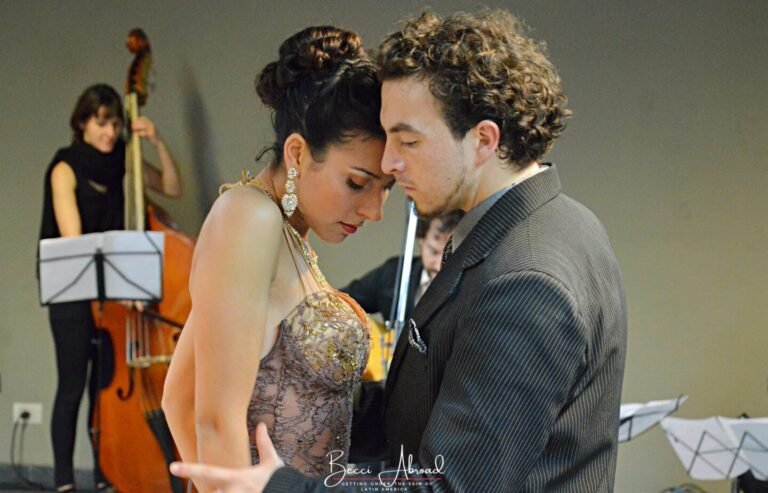
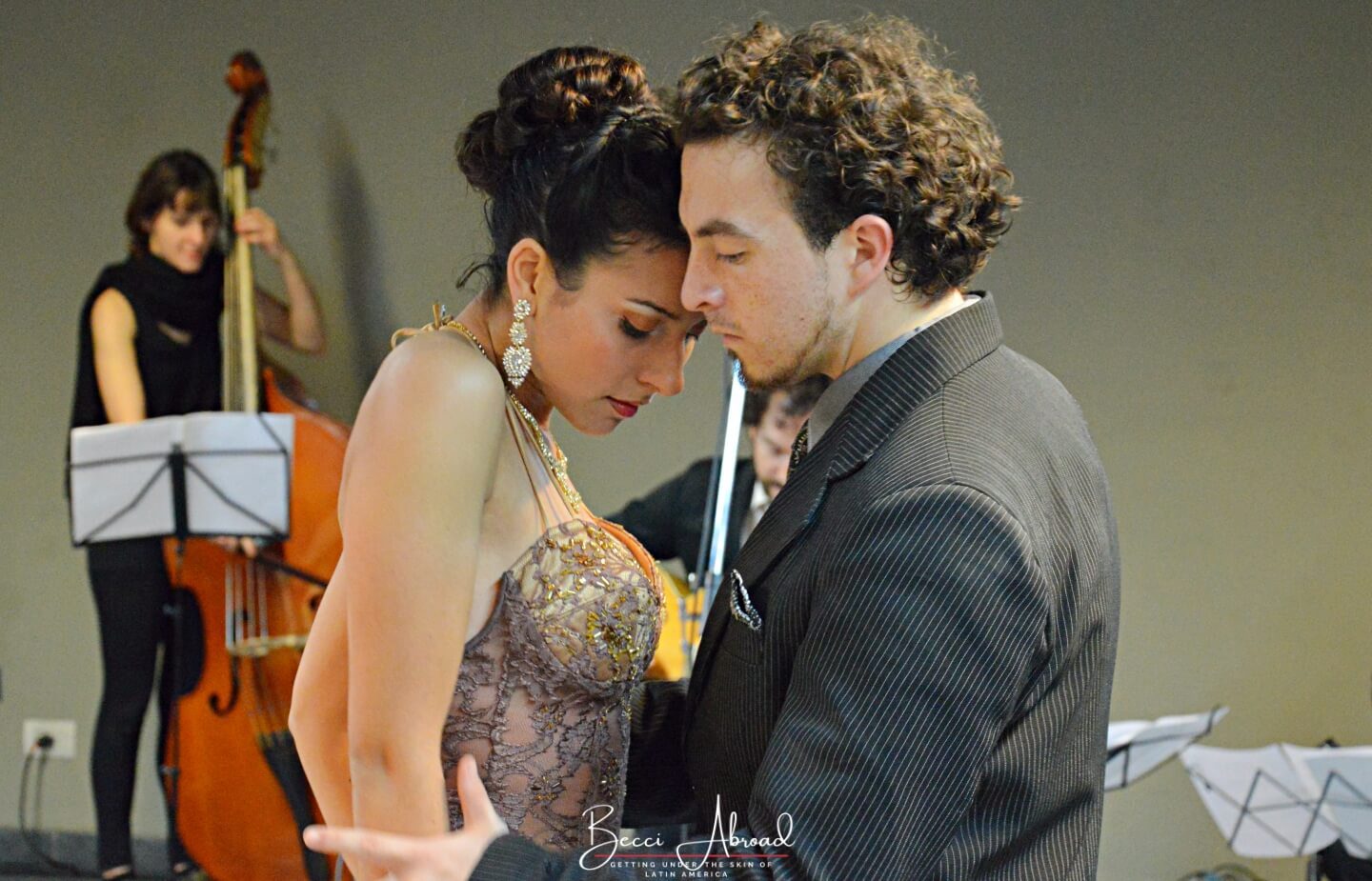
If you want to experience tango in its homeland, Buenos Aires can offer you everything from a professional tango show, a tango dance lesson, or a milonga, the dance halls where locals actually dance.
Or if you are a football (soccer) fan, Buenos Aires also offers world-class and very passionate matches with the city’s two largest teams, Boca Juniors and River Plate. I’m no soccer expert myself, but I have heard (from my husband) that the matches in Buenos Aires can get pretty wild!
… Or would you rather skip the famous stuff and go hunting for hidden gems in Chacarita, Villa Crespo and Colegiales? That’s my favourite version of this city, and it’s the one most visitors never see.
And if you want to get out of the city, there are plenty of easy day trips from Buenos Aires! From a day at Tigre’s river delta, crossing the waters and visiting Colonia del Sacramento in Uruguay, to visiting the estancias of the pampas, are all within reach only a couple of hours from Buenos Aires!
Top 6 Things to Do in Buenos Aires
Casa Rosada & Plaza de Mayo
The pink presidential palace and the square where modern Argentine history happened: from Evita Perón’s balcony speeches, the protests of Madres de Plaza de Mayo, and every major protest ever since.
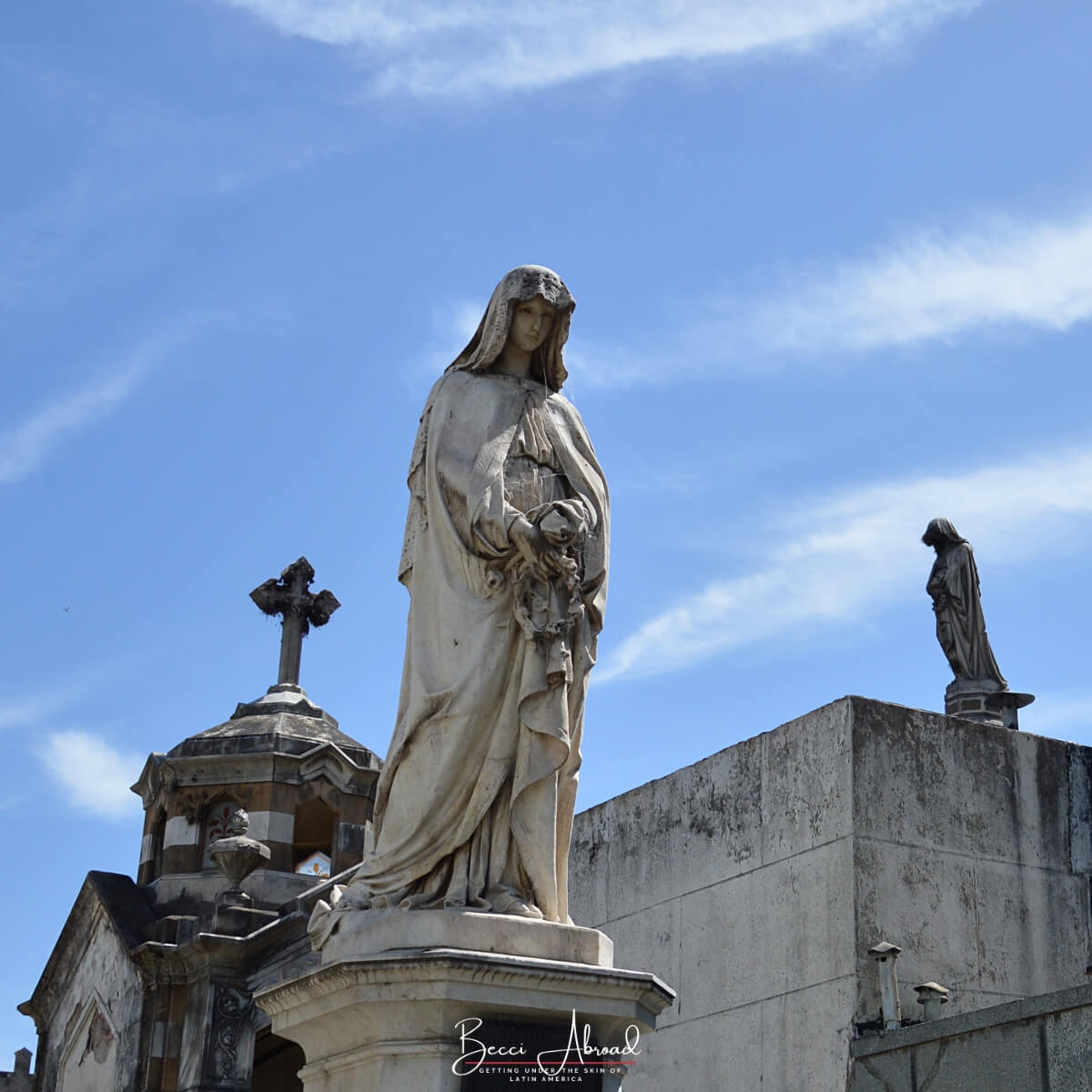
Recoleta Cemetery
A historical cemetery that feels like a city of marble mausoleums and crypts in the middle of Buenos Aires. Evita is buried here alongside former Argentine presidents and independence fighters. One of my favourite places in the city.
Tango was born in the port neighbourhoods of Buenos Aires, and it’s still alive here in three very different forms: the polished dinner shows, the small local venues, and the milongas where porteños actually dance. I’d do at least one of them.
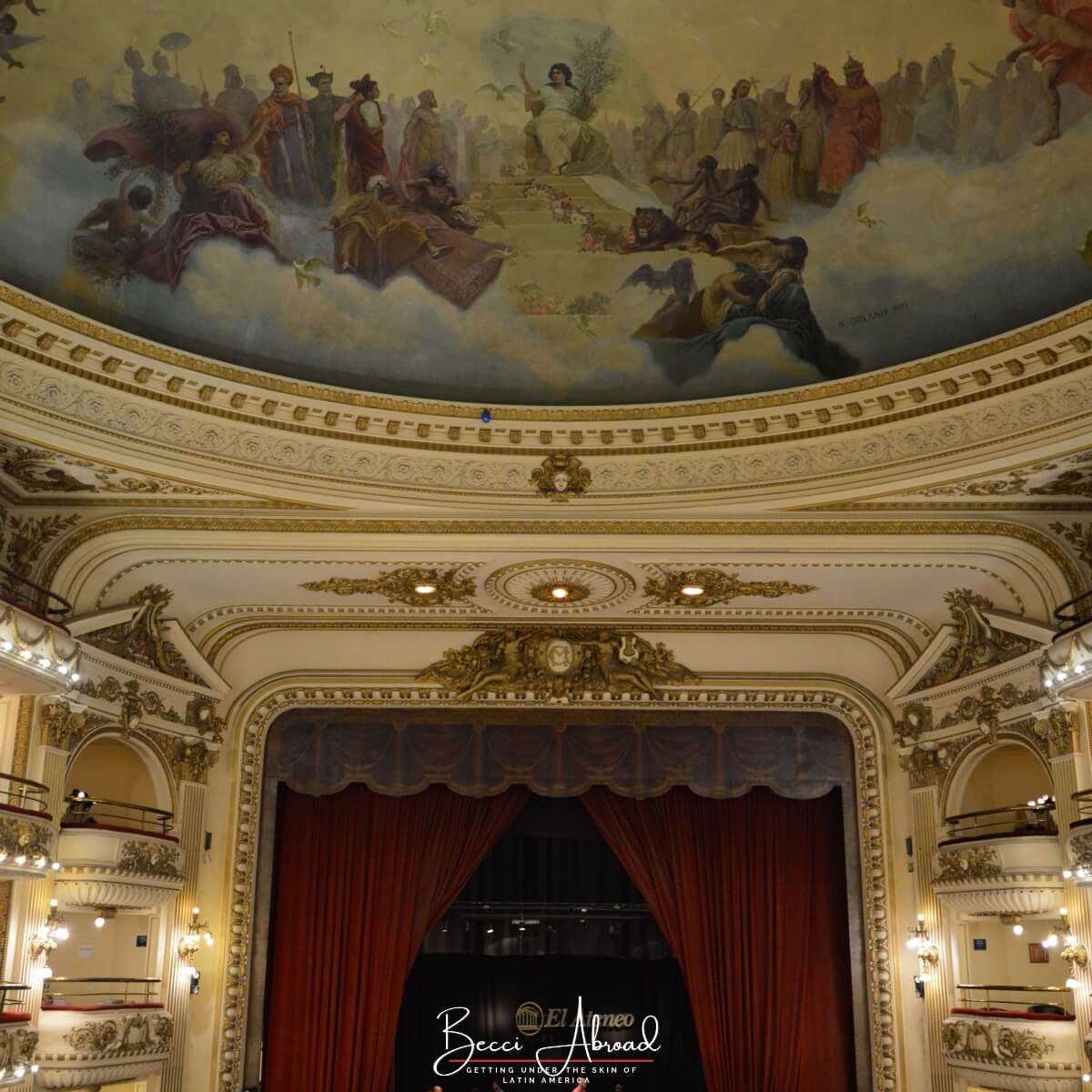
A stunning theatre from 1919 that has been turned into a bookshop. National Geographic named it the most beautiful bookstore in the world in 2019. Go up to the top balcony for the view, then have a coffee at the café on the old stage.
The oldest barrio in Buenos Aires with cobbled streets, antique shops, colonial facades and live tango on street corners. Come on a Sunday for the Feria de San Telmo, a handicraft market on Defensa Street.
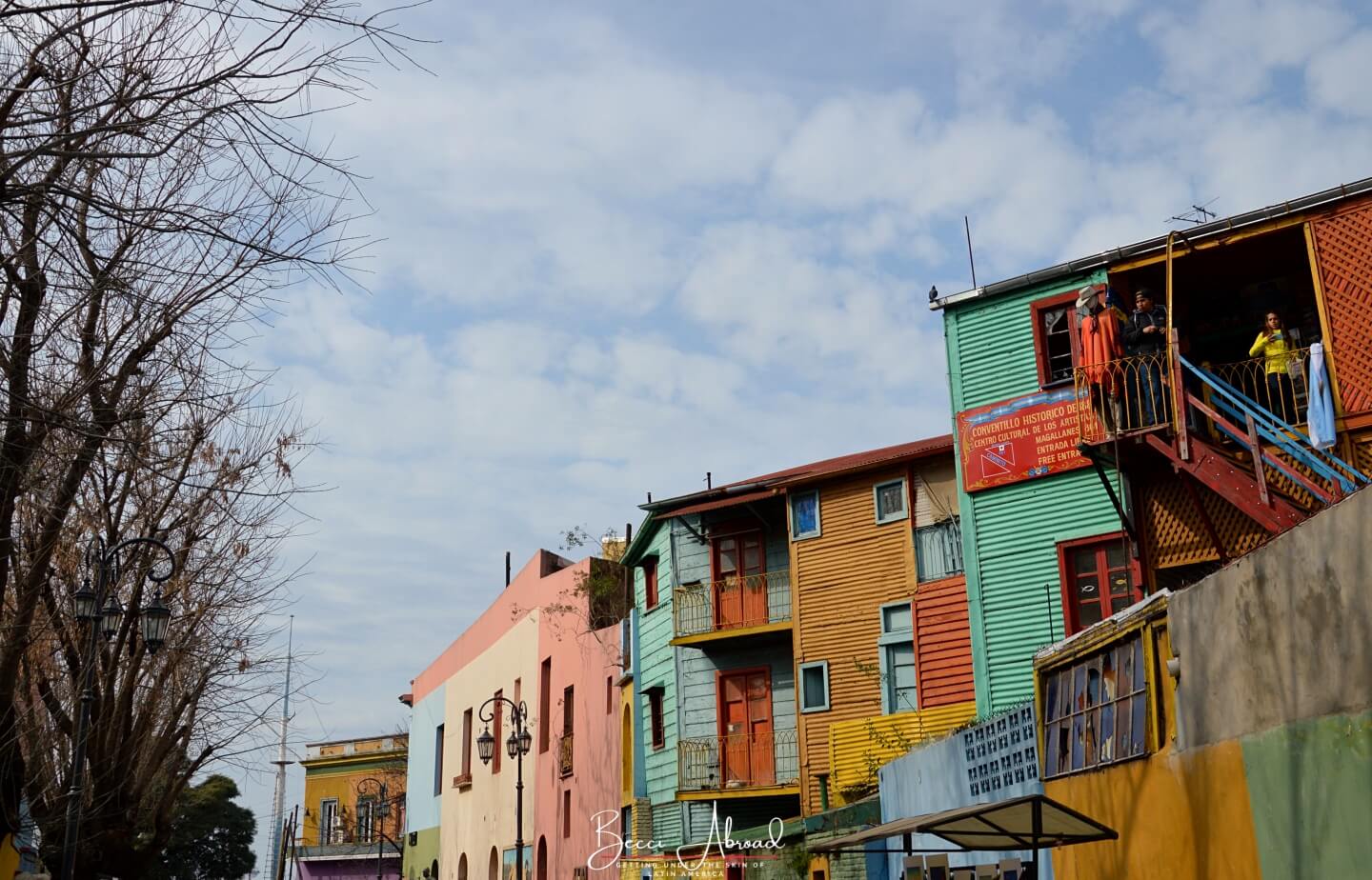
The brightly painted houses of Caminito are the most photographed street in Argentina, and yes, it’s touristy. Come for the colour and the football history, keep to the main streets, and don’t wander off them.
Buenos Aires is huge, and the neighborhoods, called barrios in Spanish, can sometimes feel like separate towns. If you don’t want to jump in a taxi back to the hotel or Airbnb after dinner, I recommend determining where to sleep based on how you want to spend your evening.
The most popular barrios to stay in Buenos Aires are Recoleta and Palermo. These neighborhoods are also among the safest areas in Buenos Aires.
There are plenty of dinner options in both neighborhoods, and it is easy to jump on the Subte or take a taxi to the main sights during the day.
Puerto Madero is another popular place to stay in Buenos Aires, and there are many high-end restaurants in the area. However, personally, I find Puerto Madero to be too isolated from the rest of the city and would prefer to stay in Palermo.
While it is tempting to stay in the Buenos Aires Downtown area around Plaza de Mayo and the Congress Building, my honest advice is not to stay downtown if you’re staying in Buenos Aires for more than one day.
Buenos Aires Downtown, also called Microcentro, empties out after office hours. The pavements are narrow, the safety in the area is questionable, and the dinner options are poor.
The three areas below are where I’d send a first-time visitor.
Recoleta
An elegant neighborhood and the closest Buenos Aires gets to Paris.
Recoleta offers wide boulevards, French-style apartment blocks, the cemetery, and excellent museums.
Quieter in the evenings than Palermo and one of the safest parts of the city, and it is a good fit if you want calm and are happy to travel for dinner.
Palermo
Palermo is enormous and splits into sub-neighbourhoods: Palermo Soho for boutiques and cobbled streets, Palermo Hollywood for restaurants and nightlife, Palermo Chico for quiet and green.
Palermo is local, leafy, safe, walkable, and you’ll have your breakfast and dinner within a few blocks. Best all-round base for a first trip.
San Telmo
The most atmospheric option. San Telmo offers cobblestones, antique shops, tango, and the Sunday feria on your doorstep.
San Telmo is grittier and less polished than Palermo or Recoleta, and I’d be more careful walking around late at night.
If you want to feel like you’re in an old city rather than a comfortable one, stay here.
Buenos Aires Hotels
Top-rated stays
Choosing the right neighborhood can really shape your Buenos Aires travel experience, but so can picking the right accommodation!
Argentines take eating seriously, and meals here run long and late. Dinner rarely starts before 21:00, and restaurants fill up closer to 22:00. If you turn up at 19:30 you’ll have the place to yourself and the staff will assume you’re a tourist… Which you are, but still…
The food in Buenos Aires is shaped overwhelmingly by Italian and Spanish immigration. That means beef and the parrilla, but it also means some of the best pizza and handmade pasta outside Italy, and a national obsession with dulce de leche that has to be seen to be believed.
The best way to eat in Buenos Aires is to mix a proper parrilla dinner with the everyday stuff: a choripán from a street cart, medialunas and coffee in one of the city’s traditional cafés notables, empanadas eaten standing up.
The famous restaurants are good. The corner bakery at 08:00 is better.
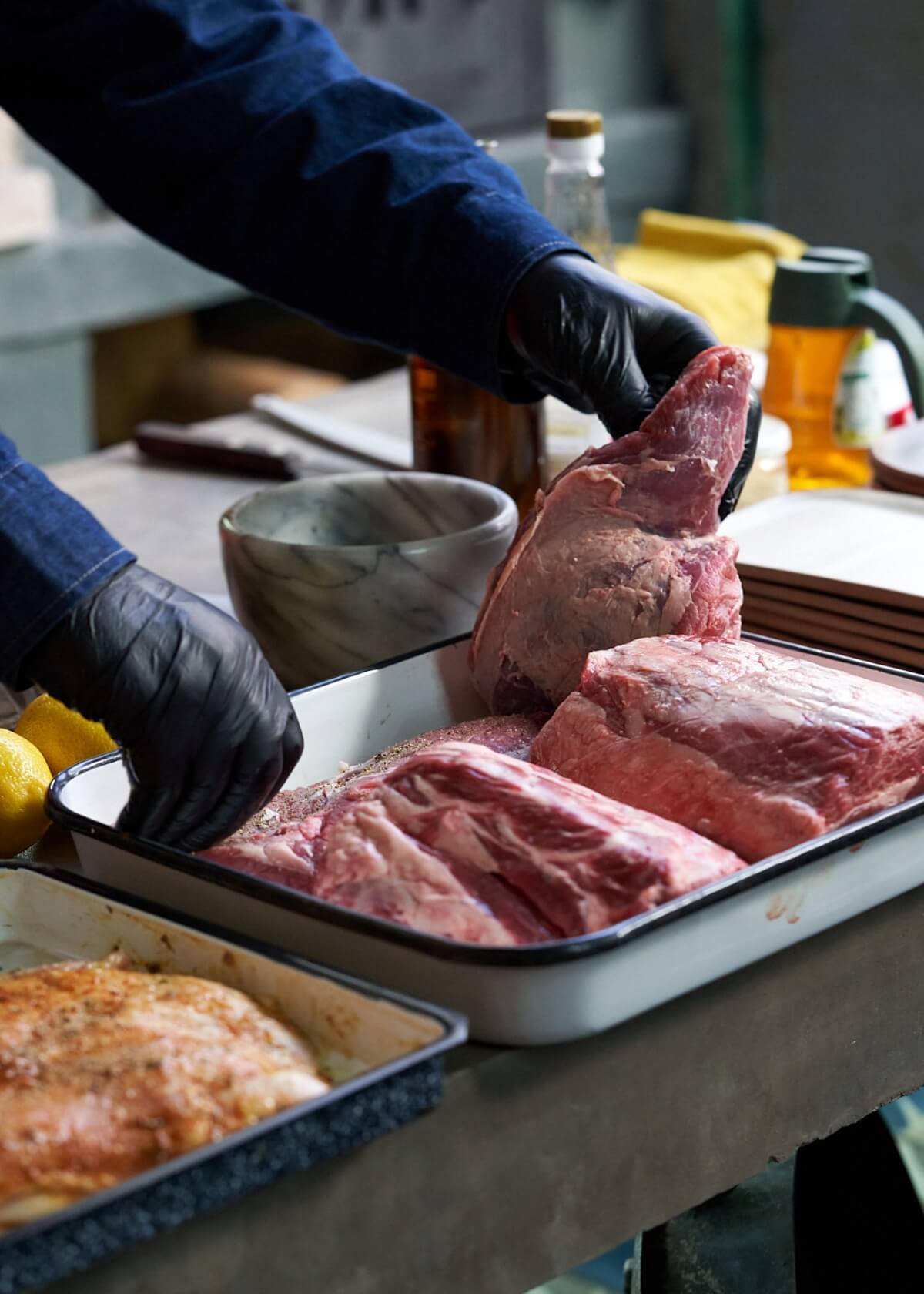
Asado is not just barbecued meat! It’s a whole ritual in Argentina. The beef is cooked slowly over wood embers on a parrilla, a large grill.
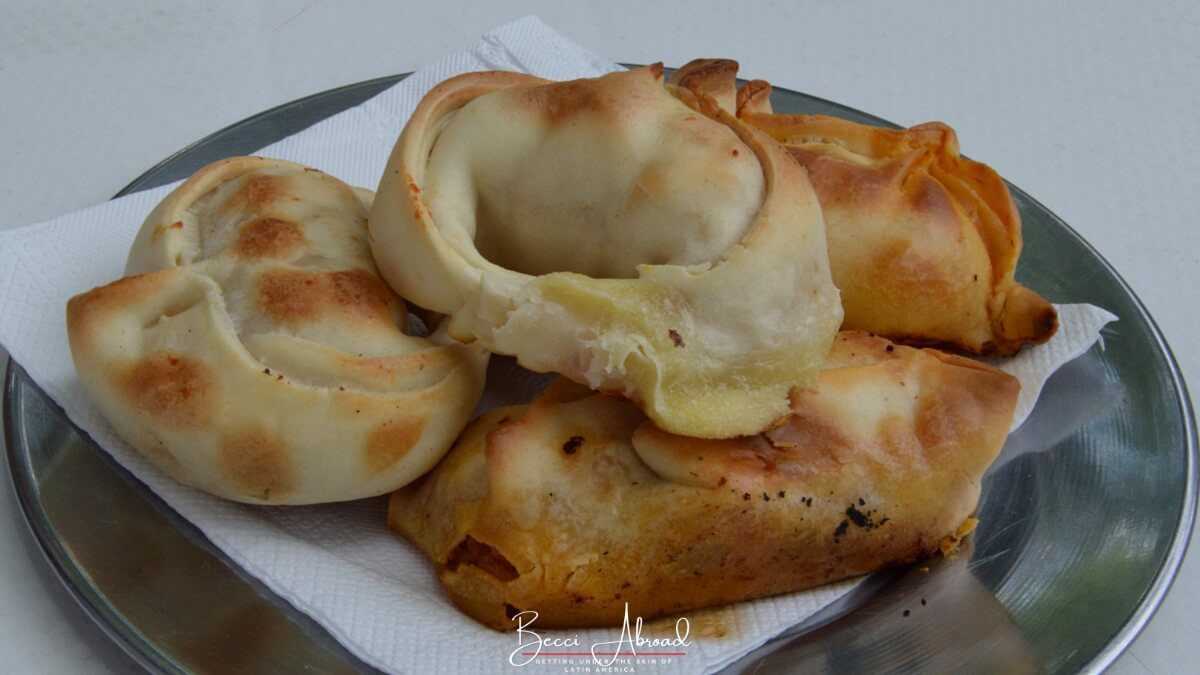
Empanadas
Empanadas are small dough pockets that are filled with beef, ham and cheese, chicken or corn and either baked or fried.
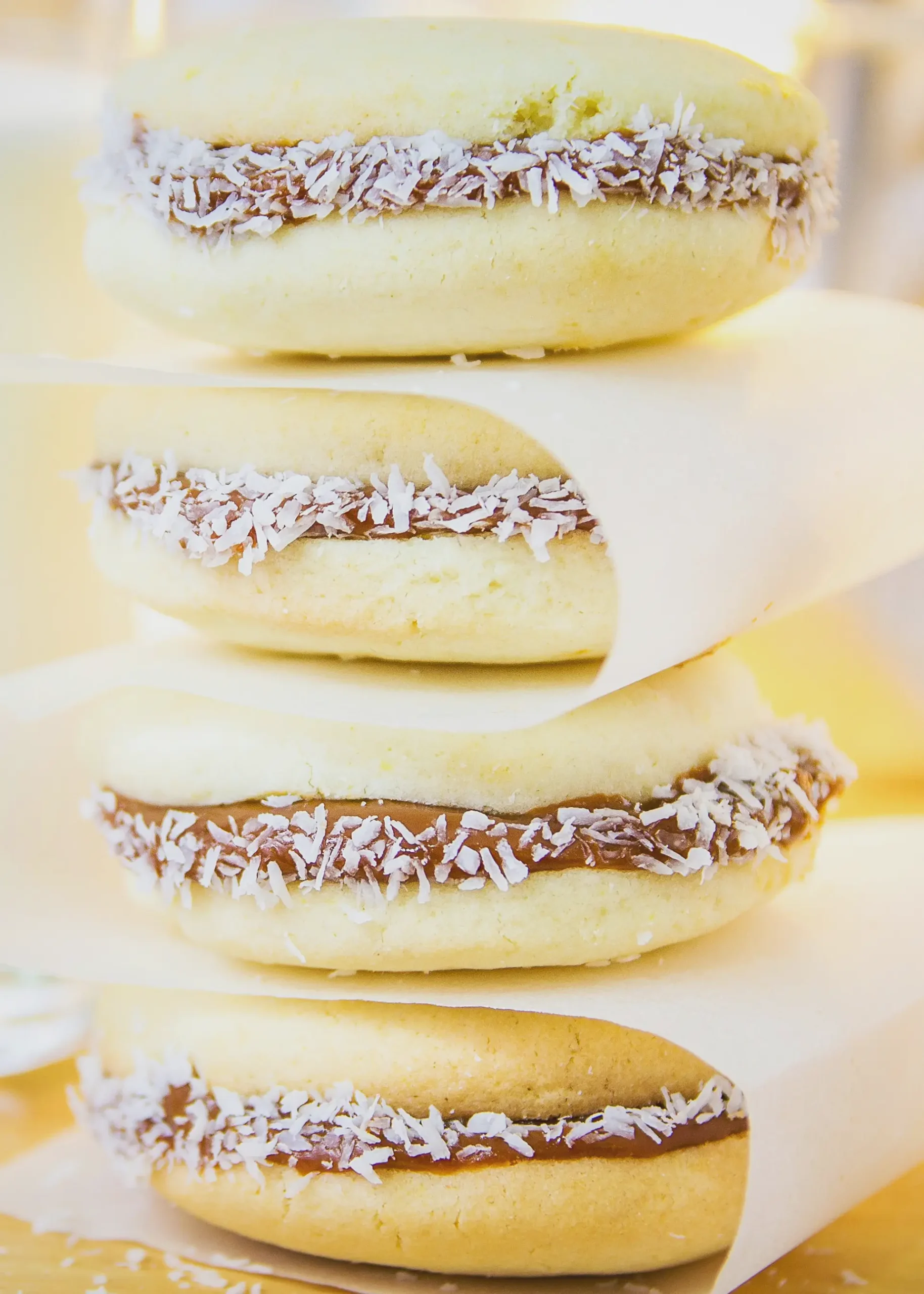
Alfajor
Argentina’s national snack! An alfajor is two soft biscuits sandwiched with dulce de leche and coated in chocolate or rolled in coconut.
Maté
Maté is a local bitter herbal tea drunk from a shared gourd through a metal straw, passed around a group in a fixed order.
Facturas & Medialunas
Facturas are small local pastries, and medialunas are Buenos Aires’ answer to the French croissant, but smaller, denser, stickier, and glazed with sugar syrup. Order them de manteca (buttery and sweet), or de grasa (saltier, made with lard).
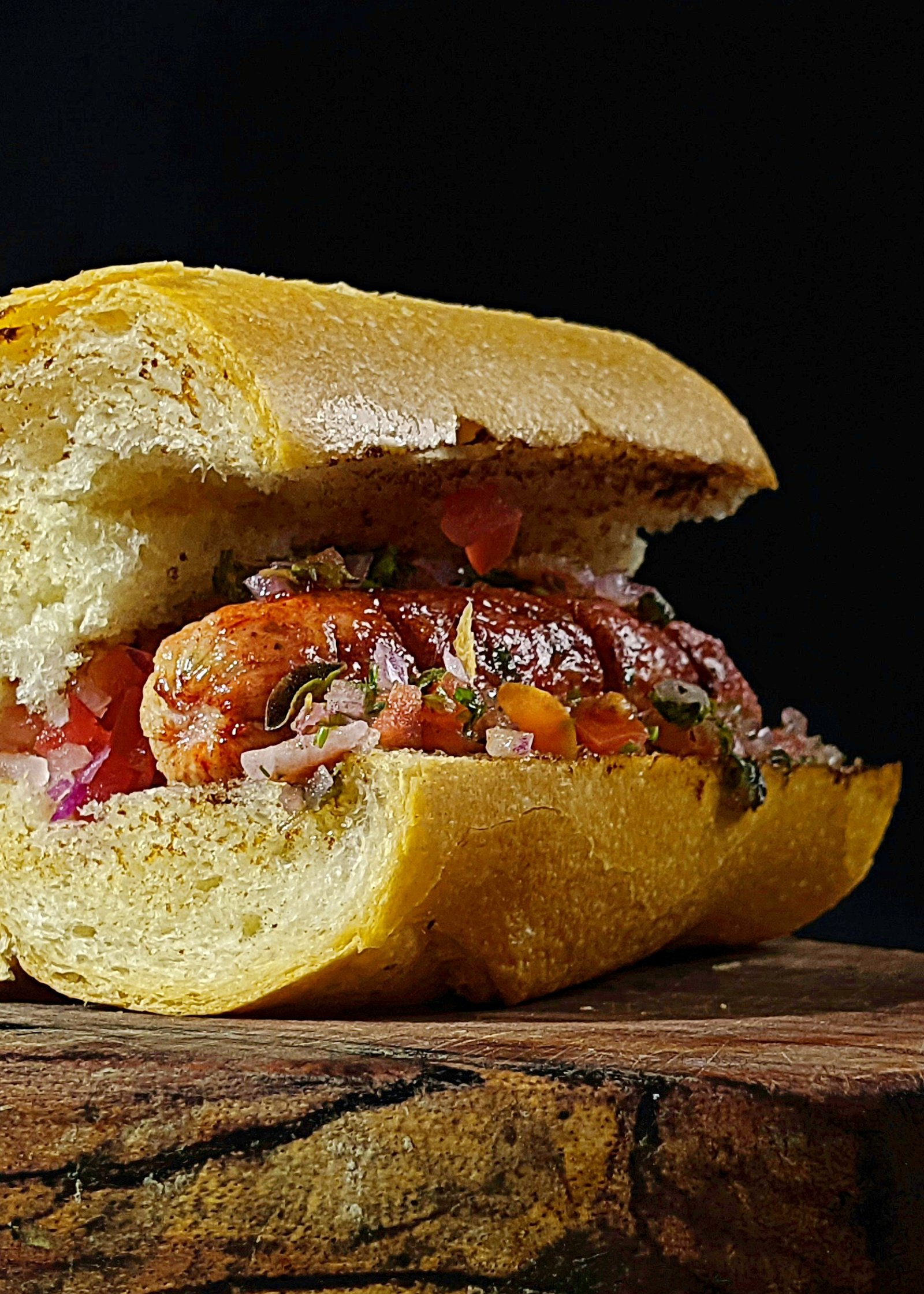
Choripán
Choripán is Argentina’s great street food. Choripán is a grilled chorizo split open in a crusty bread roll and drowned in chimichurri.
How to Get Around Buenos Aires?
Buenos Aires is flat, gridded and very well connected, which makes getting around one of the easiest parts of visiting.
Between walking, the subte, buses and cheap taxis, you’ll never be stuck.
Walking
Buenos Aires is very walkable, especially in Palermo, Recoleta and San Telmo.
Many of the main sights such as Casa Rosada, Puerto Madero, and San Telmo connect easily on foot in a single day.
Personally, I think walking is the best way to experience this city: you stumble into small plazas, cafés notables and street art you would fly straight past in a taxi.
Wear comfortable shoes, though. The pavements are uneven, and much of San Telmo is cobbled.
The Subte
The subway in Buenos Aires, called el Subte, is the fastest way to cross the city.
Buenos Aires´ subway has six lines, lettered A to E and H. The D-line is the most useful for visitors, running from Plaza de Mayo up through Recoleta, Palermo and Belgrano.
The subway in Buenos Aires is cheap and efficient, but it closes relatively early and gets extremely crowded at rush hour. It also doesn’t run as frequently on Sundays as you would hope.
Buses (colectivos)
The bus network in Buenos Aires is enormous, with hundreds of routes, and many of them running 24 hours.
The city bus, called colectivo or bondi, goes everywhere the subte doesn’t.
Use Google Maps or the Cómo Llego app to work out which buses to use and which bus stop to wait at.
When you get on, tell the driver roughly where you’re going; he will charge you the right fare, and you pay by tapping your SUBE card or credit card.
Taxis
The black-and-yellow taxis are everywhere and easy to hail on the street.
Most drivers are fine, but a few will take the scenic route with an obvious tourist. I recommend having your destination up on Google Maps so it’s clear you know where you’re going.
Many taxis in Buenos Aires are cash-only, so carry small notes; drivers rarely have change for large ones.
Uber & Cabify
Ride-hailing apps like Uber and Cabify operate in Buenos Aires, and locals generally consider them safer than hailing on the street.
Cabify is generally the more reliable option, and availability can vary depending on the time of day.
Download the app before you arrive, and make sure your payment method works. Most of the time, cards are fine, but I still recommend carrying a bit of cash just in case.
Bikes
Buenos Aires is almost entirely flat and has a surprisingly good network of protected bike lanes.
Ecobici, the city bike-share scheme, is free for residents and cheap for visitors. There are also several local bike rentals, especially in Palermo, if you prefer to rent a bike from a bike shop instead.
Cycling through the Palermo parks on a Sunday is one of the nicest things you can do here.
The SUBE card: Buenos Aires’ transportation card
You can’t pay cash on the subte, buses or trains in Buenos Aires. Everything runs on a rechargeable contactless card called SUBE.
You can buy a SUBE card at some subte stations, tourist information centres and many kioscos.
You can top the SUBE card up at subte stations, lottery outlets and kiosks with terminals. Fares are heavily subsidised and genuinely cheap, and SUBE gives you 50% off a second journey and 75% off a third within two hours.
It works as a fallback, but it doesn’t give you the multi-trip discounts, and it doesn’t work on the buses, where you’ll still need to get the SUBE card.
Orientation
Map of Buenos Aires
Buenos Aires is laid out on a grid and split into 48 barrios, which makes it far easier to navigate than it first looks.
Use the map below to see how Buenos Aires is laid out.
Becci in Buenos Aires
My story with Buenos Aires
Buenos Aires holds a very special place in my heart!
I lived in Buenos Aires for 7 years from 2016 to 2023 and married into an Argentine family.
I have explored Buenos Aires extensively over the years and visited many of the popular tourist attractions many times.
Over the years, I started to get under the skin of Buenos Aires, its history and culture, and discovered some of the city’s best hidden gems.
Find answers to commonly asked questions about Buenos Aires.
Yes, Buenos Aires is very much worth visiting. Actually, I would argue it’s one of the most underrated big cities in the Americas.
Buenos Aires has European architecture, Latin American energy, world-class food and wine at reasonable prices, and a cultural life that runs from tango to football to some of the best bookshops.
Buenos Aires is famous for many things, such as its European architecture, which earned it the nickname ¨the Paris of South America”.
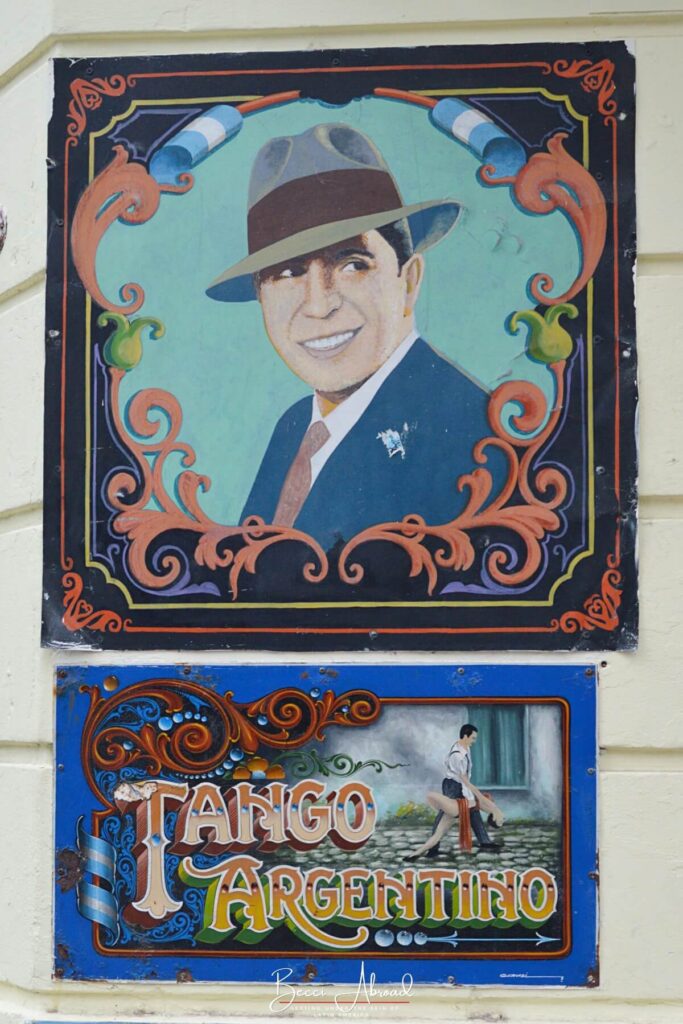
Buenos Aires is also famous for tango, a dance and music, which was born in the city’s port neighbourhood, for its beef and asado culture, and for a heated football culture between the city´s two rivals: Boca Juniors and River Plate.
Buenos Aires is generally a safe city for tourists to visit as long as you take normal big-city precautions and keep a close eye on your belongings.
The main risk is phone snatching, called motochorros in Argentine Spanish, where thieves on motorbikes and bikes grab phones out of hands on the street, so keep your phone away when you’re walking.
Stick to Palermo, Recoleta and Belgrano at night, be more careful in San Telmo and La Boca after dark, and use Uber or Cabify rather than hailing taxis late. I lived in Buenos Aires for seven years and never had a serious problem.
Travellers from the EU, UK, US, Canada, Australia and New Zealand don’t need a visa for tourist stays of up to 90 days.
To enter Argentina, you need a passport valid for the length of your stay.
Rules do change, so check your own government’s advice before you travel.
Yes, you normally tip around 10% in restaurants and cafés in Buenos Aires.
The tip is usually left in cash even if you pay the bill by card, so keep some small notes on you.
Tipping matters more here than it might feel like it should; inflation has hit hospitality wages hard.
The best way to exchange money in Buenos Aires in 2026 is to either bring USD notes and exchange at an official exchange office or use a transfer service like Western Union to get Argentine pesos notes.
However, for most visitors, paying by card is now (2026) the easiest and most competitive option to pay in Buenos Aires.
I do still recommend exchanging a bit of cash to Argentine pesos to have for tipping and backup.
The official exchange rate and informal “blue” rates converged through 2025 and 2026, so the old trick of bringing cash dollars to a cueva no longer gets you meaningfully more pesos. So, avoid the people offering cambio on Calle Florida.
Sign up for Becci’s Travel & Expat Updates
Sign up for my monthly travel newsletter with travel tips and hidden gems! You can unsubscribe at any point!