Barcelona is packed with iconic architecture, historic neighborhoods, great food, and a coastline that makes it feel like a beach destination as much as a city break.
But it can also easily start to feel overwhelming to plan a trip to Barcelona.
This guide is designed to make your trip smoother and more enjoyable, especially if it’s your first time visiting.
I’m all about getting under the skin of the city, so you’ll find practical tips, honest advice, and a few personal opinions to help you navigate Barcelona like someone who has actually lived in Barcelona.
Jump around the sections however you like, and dip into my additional Barcelona resources whenever you want to go deeper.
Explore in More detail
Choose your kind of Barcelona
Barcelona offers loads of things to do and exciting places to visit. Pick the type of travel tips you’re after.
City Guides
Barcelona Landmarks
Explore Barcelona’s most famous landmarks and attractions.
Local picks
Barcelona Hidden Gems
Day Trips
Barcelona Day Trips
Itineraries
Barcelona Itineraries
Barcelona in detail
Explore my detailed posts about Barcelona to help you plan your trip and get under the skin of Barcelona!
Barcelona is the capital of the Spanish region of Catalonia and Spain’s second-largest city after Madrid,
Barcelona is tucked between the Mediterranean on one side and the Collserola mountain range on the other, in the northeast part of Spain.
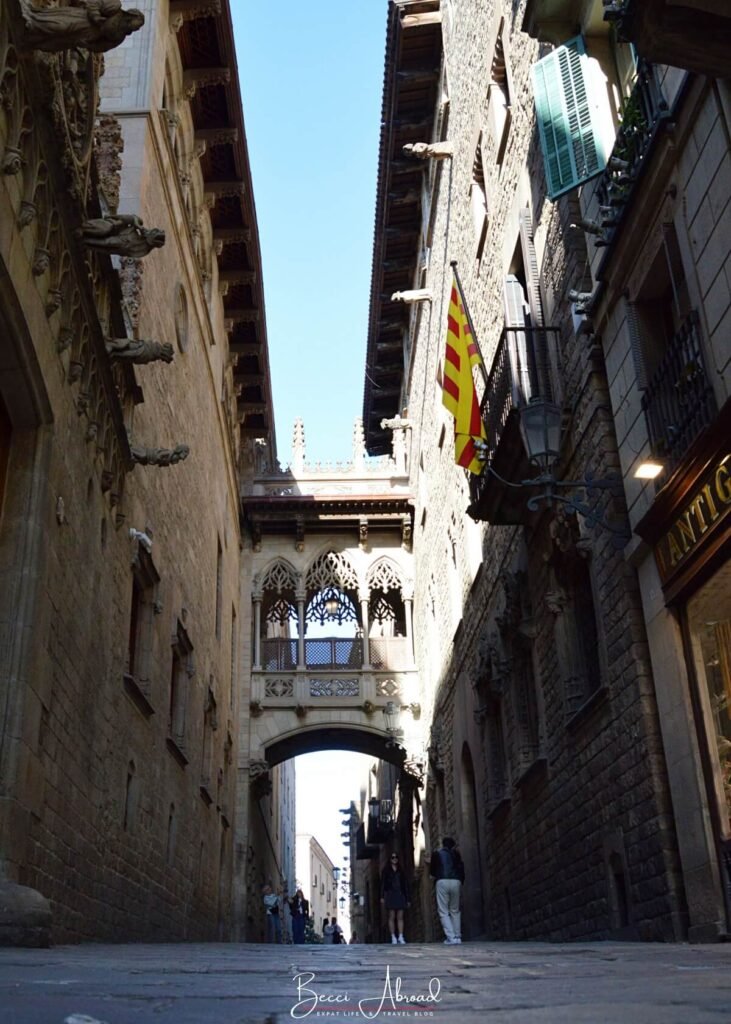
In the Catalan language, the region is spelled Catalunya. Many locals have a strong sense of pride in it. You’ll spot Catalan flags hanging from balconies all over Barcelona and Catalonia.
Population
1.7 million
within city limits
Language
Spanish
& Catalan
Currency
Euro
EUR €
Region
Catalonia
Northeast Spain
What language do they speak in Barcelona?
Barcelona is a bilingual city where both Spanish and Catalan are official languages.
Catalan isn’t just a “version” of Spanish; it’s a completely separate language. To me, it sounds a bit like Spanish, French, Portuguese, and Italian all had a baby together.
For many locals in Barcelona, the Catalan language is a huge part of their cultural identity. It’s not just a language they speak but something they genuinely care deeply about, so it’s worth being aware of and respectful of that when you visit.
In tourist areas, English is widely spoken, but in more local neighborhoods, you’ll notice people leaning into Catalan.
Basic Catalan words worth knowing
You can get around fine with English, but learning even a few phrases of Catalan is a lovely way to show respect. It mostly brings a smile to locals when you’re giving their language a try. A few online classes before you go a long way.
Here are a couple of easy, basic Catalan words that will help you get by in Barcelona – and bring a smile to locals for trying to embrace their language.
Adéu is the Catalan word you’ll hear the most in Barcelona!
Adéu translates to goodbye in English. Most locals in Barcelona will say adéu as goodbye, no matter what language you have been speaking to them.
You can often hear locals mixing Spanish and Catalan, and even if a whole conversation has been going on in Spanish, they will most likely end it off with an adéu.
Adéu is a small and easy word to learn before traveling to Barcelona, and you will definitely please some locals by knowing just a little Catalan on your trip to Barcelona
In Catalan, locals use gràcies and merci as thank-yous.
Gracies lies closer to the Spanish word “gracias,” and it might be easier to remember if you know some Spanish already.
On the other hand, merci lies closer to French, and personally, for me, it was more difficult to get used to saying Merci for thank you than gracies. But both are equally valid and used to say thank you in Catalan.
Si us plau means please in Catalan, and it’s a very useful Catalan phrase to know before traveling to Barcelona.
You can use si us plau to add a little Catalan flavor if you, for example, are asking to pass somebody on the street or in the metro.
The Catalan phrase De res translates best to “You are welcome” in English or the Spanish “de nada”.
De res is a nice, short, and easy phrase to learn before traveling to Barcelona, and it might come in handy during your travels.
Em sap grau in Catalan means I’m sorry or apologies.
It might be a bit difficult to remember, and honestly, I never got used to using it when living in Barcelona (also because I was a bit afraid to add too much Catalan to my Spanish and be confused for actually speaking Catalan, which I definitely don’t!
Before you go
Planning your Barcelona trip
There’s a lot to weigh up when you prepare for Barcelona. Here are the things I think actually matter.
How long do you need in Barcelona?
I recommend setting aside at least three days orone weekendto visit Barcelona.
You can see the main attractions in Barcelona in one day if you plan your schedule very tightly, but I wouldn’t recommend it.
Barcelona offers many popular things to do, but to get a better feel for the city, I believe three to four days is a good starting point.
If you really want to get under the skin of Barcelona and also have time to explore the city’s hidden gems and many day trip destinations, you can easily spend a week or two exploring Barcelona.
Is Barcelona Expensive to Visit?
Yes, within Spain, Barcelona is one of the most expensive cities to visit. However, compared to other European cities, Barcelona is a mid-range destination.
Accommodation and ticket prices for popular landmarks tend to be a lot higher in Barcelona than in the rest of Spain.
For many locals in Barcelona, the cost of living is very high compared to the low salaries many earn.
When planning your trip to Barcelona, you should consider your priorities. Most people choose to visit Barcelona during the summer, but that might not be the best choice for you!
The summer months (June through August) are the peak season in Barcelona, and the struggles with over-tourism are real!
During the summer, it can be difficult (sometimes almost impossible) to get entrance tickets to popular attractions, get around public transportation, and in some areas like the Gothic Quarter, the streets will be so crowded that it can be hard to get around.
On top of the overcrowded city, the weather in Barcelona is hot (normally, 30 to 35 degrees) and very humid. Making it almost unbearable to be outside in the middle of the day and early afternoon.
Honestly, I would only visit Barcelona in the summer if you plan it as part of a longer trip around Spain or combine it with a trip to Costa Brava and its coastal towns.
If you’re looking for a city break to Barcelona with decent weather to be outside during the daytime and visit the popular attractions without too many crowds, the shoulder seasons in spring and autumn might be a better option for you!
Autumns in Barcelona (September to November) mostly keep the summer’s high temperatures during the day, but it tends to cool down during the evening. In autumn, the worst crowds are also disappearing, and it will get easier to get entrance tickets to popular attractions.
Spring in Barcelona (April to May) tends to bring more rainy days than any other season. However, spring is a gorgeous time in Barcelona with the trees and flowers blooming. So, if you don’t mind the occasional showers, spring is worth considering for your Barcelona trip.
Winters in Barcelona (December to February) are mild with temperatures around 15-10 degrees, and I grew surprisingly fond of Barcelona during the winter months. There are fewer crowds than in the summer, but there are still many things to do and see in Barcelona in winter.
Personally, my favorite time to visit Barcelona is in the autumn and winter (September through March).
Shoulder Season – My Pick
Spring & Autumn
Sep-Nov & Apr-May
Warm weather during the day (18–20°) but cooler evenings and a higher likelihood of rain. There are fewer crowds, and it will be easier to get entrance tickets to popular attractions.
18–22°
Low Season
Winter
December – February
The weather is mild (10–15°), but the humidity might make it feel cooler. There are far fewer crowds and plenty still to see and do. Winter in Barcelona is genuinely a lovely and underrated time to visit.
10–15°
Peak Season
Summer
June – August
Hot (30–35°) and humid weather with occasional showers. The city is very crowded, and over-tourism is the real deal during the summer. Only visit Barcelona in summer as part of a longer Spain or Costa Brava trip.
30–35°
What to pack for Barcelona?
Barcelona is generally a city where people dress very casually, so you don’t need to bring your finest dresses or suits.
Shoulder Season: jeans, t-shirts, a light jacket, and sneakers
Summer: light clothes in fresh fabrics like linen and cotton, shorts, t-shirts, summer dresses, and plenty of sun cream
Winter: winter jackets, sweaters, jeans, and sneakers or light boots
Apps to download before you arrive
When you’re planning your trip to Barcelona, there are a few apps that can seriously make your time in the city smoother and less stressful.
I recommend downloading them before you arrive in Barcelona, so you’re not wasting time dealing with apps, logins, and spotty Wi-Fi when you could be out exploring the city instead.
Barcelona is well connected to the rest of the world — and brilliantly connected once you’re here. Here’s how to get in.
How to Get to Barcelona from Abroad?
Depending on where you are visiting Barcelona from, whether it is from another European city or from the U.S., there are a couple of different ways to get to Barcelona from abroad.
Let’s explore them together!
Flights
Most people arrive at Barcelona-El Prat Airport (BCN), Barcelona’s airport, which is well-connected across Europe and with many destinations abroad.
Long-distance bus
Coaches from across Spain and neighboring countries arrive at Estació del Nord, located close to the city center and right next to the Ciutadella Park and the Arc de Triomf in Barcelona.
Train
High-speed trains link Barcelona with Madrid, Paris, and Marseille. Trains arrive at Barcelona’s main train station, the Barcelona-Sants station, close to the center of Barcelona.
How to get from Barcelona Airport to the city center?
Barcelona–El Prat Airport is located about 9 miles (15 km) southwest of the city center, and thankfully, getting into town is pretty easy.
You’ve got several solid options, depending on your budget and patience level. Let’s explore them together!
There are plenty of places to explore and unique experiences to enjoy once you arrive in Barcelona. From historic neighborhoods and iconic architecture to beaches, markets, and long, lazy meals, the city has a way of pulling you in pretty quickly.
What to Do in Barcelona?
There are so many different things to do and see in Barcelona that it is easy to understand why the Catalan capital city is one of the most visited destinations in Europe!
Do you want to spend your trip to Barcelona eating your way through tapas bars and markets, or are you more into exploring iconic landmarks and architecture?
Barcelona has you covered!
Maybe you want an active trip to Barcelona with hikes and day trips along the coast or into the mountains?
Barcelona has this too!
Or maybe you prefer wandering through lesser-known neighborhoods and hunting down hidden gems? Yep, Barcelona has you covered there, too!
Top 6 Things to Do in Barcelona
Sagrada Familia
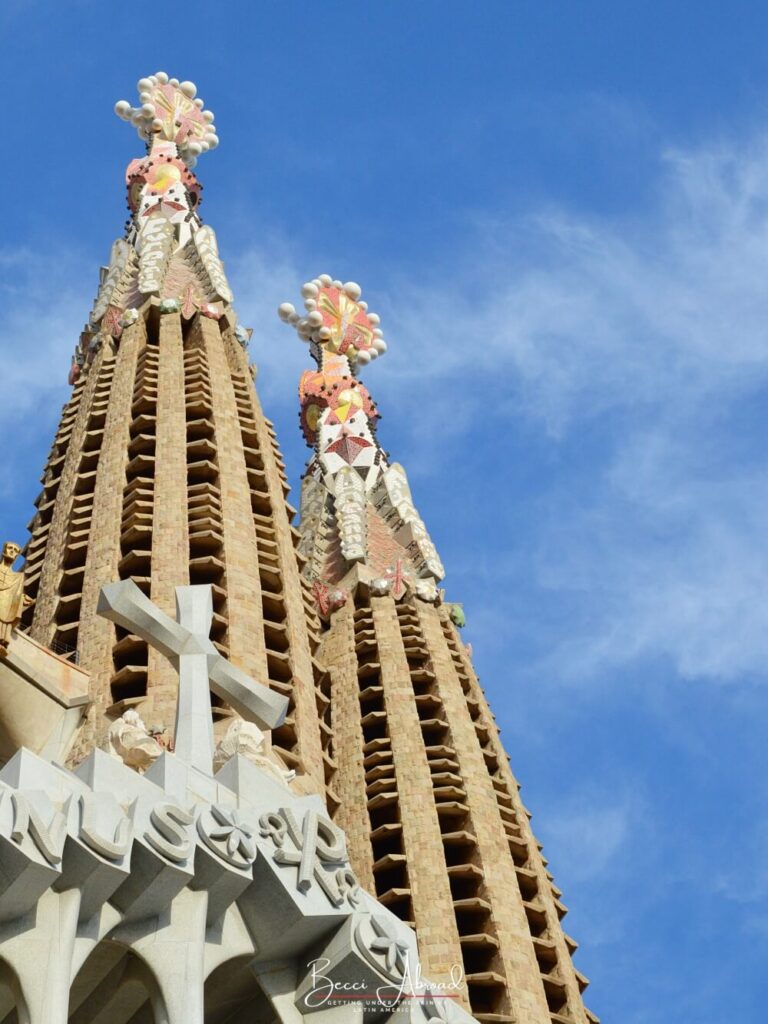
Barcelona’s most iconic landmark! Sagrada Familia is Gaudí’s masterpiece of an unfinished church.
Personally, I would recommend looking for accommodation in either Eixample, el Born, or Gràcia.
Eixample is the safest, prettiest, and most central neighbourhood in Barcelona, with many of the city’s popular attractions within walking distance. Eixample also tends to be one of the more expensive parts of Barcelona
El Born is a part of Barcelona’s Old Town but with fewer crowds than the Gothic Quarter. It’s a great neighborhood to stay in if you want the old town feeling with narrow streets and old buildings.
Gràcia is a more local neighborhood located north of Eixample. There aren’t as many options for accommodation as in Eixample, but the price is sometimes better in Gràcia than in Eixample.
While it might seem convenient to stay around the popular La Rambla street, I wouldn’t recommend it. La Rambla is extremely touristy, often noisy, and more prone to pickpocketing (especially at night).
When you visit Barcelona, you’ll quickly notice how much of the local culture revolves around eating well and taking your time with meals.
Catalan cuisine has a strong identity of its own, so you’ll come across dishes you won’t see elsewhere in Spain.
In my opinion, the best way to experience Barcelona’s food scene is by mixing traditional tapas bars with visits to local markets. The most popular (and touristy) market to visit in Barcelona is the Mercado de La Boquería, but each neighborhood has its own local food market.
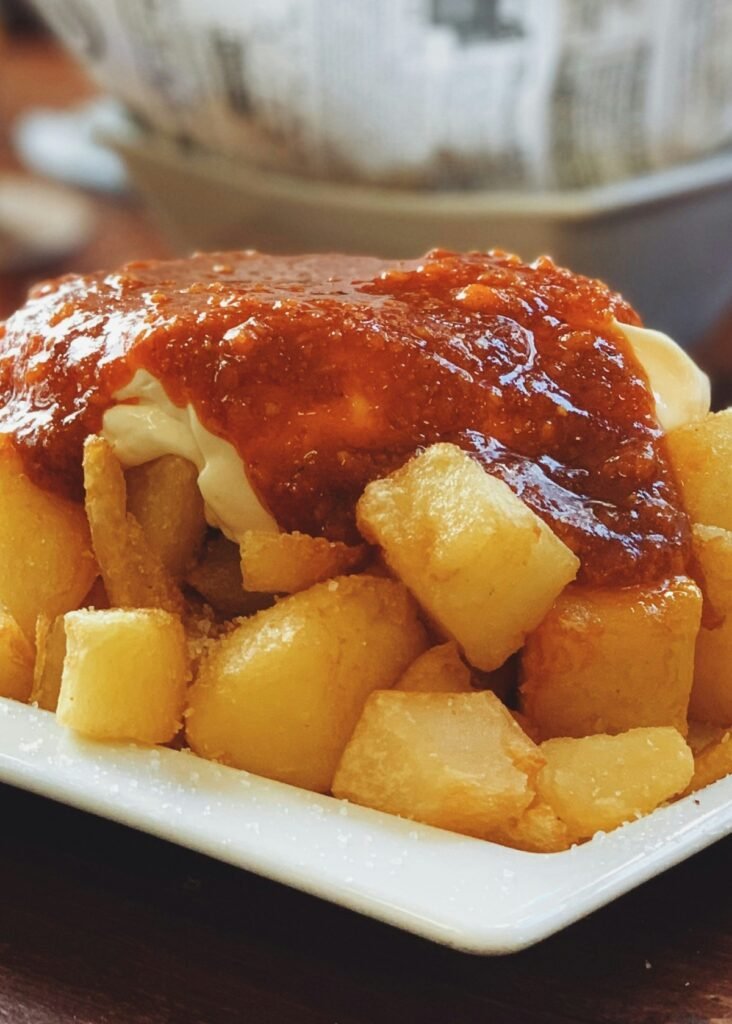
Patatas bravas are tapas consisting of fried potato cubes with a spicy “brava” sauce.
Pan con tomate
A local favorite for breakfast! A toasted slice of bread with fresh tomato and olive oil.
Paella
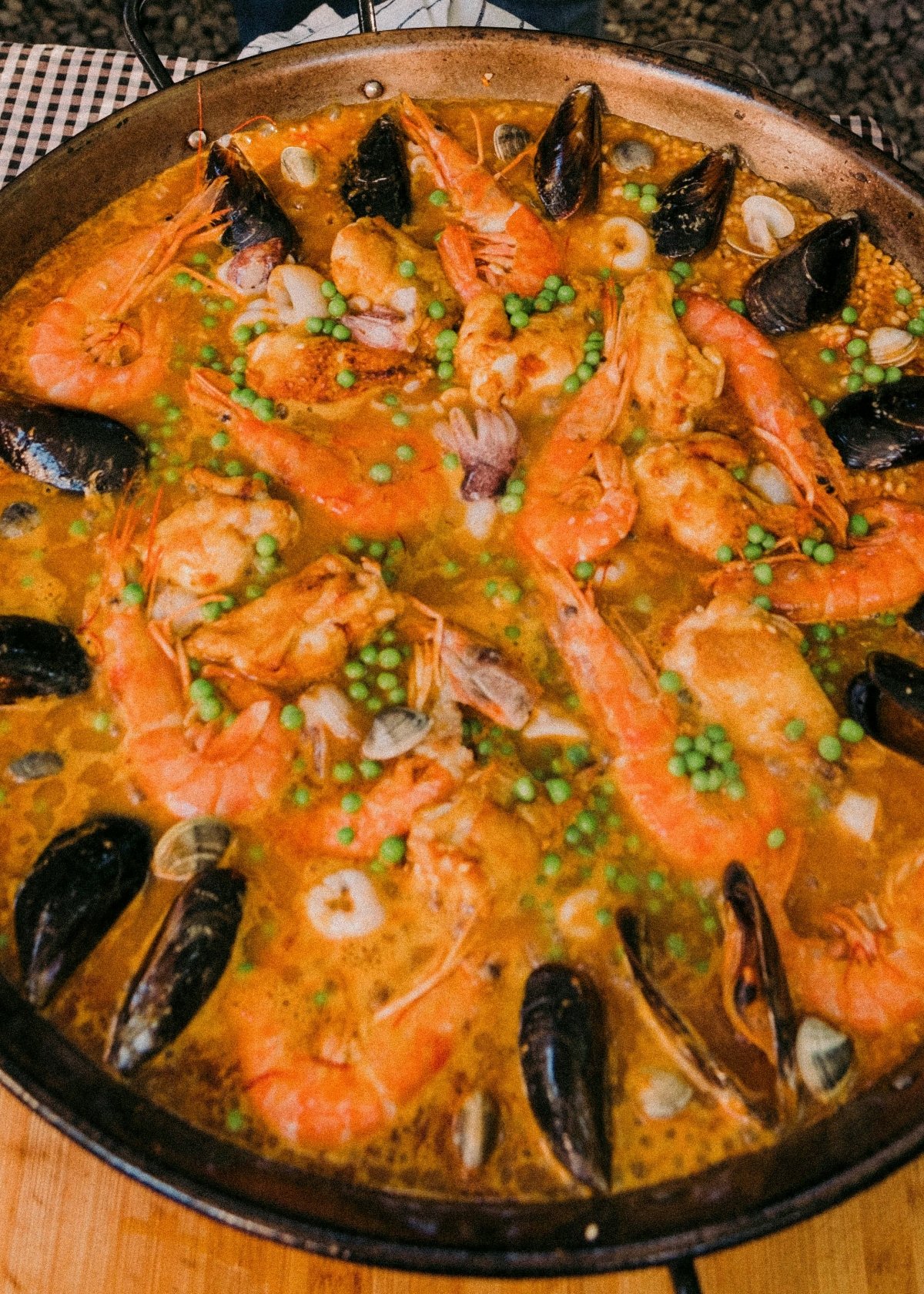
Paella is a slow-cooked rice-based dish, typically made with seafood, eaten for lunch only.
Crema Catalana
Crema catalana is very similar to crème brûlée, but with its own twist and citrusy notes.
How to Get Around Barcelona?
Barcelona is a very well-connected city, and getting around is honestly one of the easiest parts of visiting. Whether you prefer walking, public transport, or the occasional taxi, Barcelona gives you plenty of convenient options.
In this section, I’ll walk you through what you need to know about getting around Barcelona and choosing the best transport for your trip.
Walking
Barcelona is a very walkable city, especially if you’re staying anywhere near the center.
Many of the main sights, like the Gothic Quarter, El Born, parts of Eixample, and even the Barceloneta beach, are easy to reach on foot.
Personally, I think walking is one of the best ways to experience the city.
You’ll stumble across small plazas, local cafés, and hidden streets you’d completely miss if you were rushing around on public transport or a taxi.
Public Transport
Public transportation in Barcelona is efficient, affordable, and very easy to use.
The network includes the metro, buses, trams, and regional trains, all of which connect smoothly across the city.
To use public transportation in Barcelona, you will first need to get a travel card. You can buy single tickets, day passes, or multi-ride tickets, depending on how long you’re staying.
If you plan on moving around a lot with public transportation, the unlimited travel card, Hola Barcelona Transport Card, might give you the best value for money.
Trains
Regional trains, operated by Renfe or FGC, connect Barcelona with nearby cities and coastal towns. If you’re planning day trips to places like Sitges, Montserrat, or Girona, trains are usually the fastest and easiest option.
If you’re only staying within Barcelona city limits, you probably won’t need to use the trains much. But for day trips, the trains are one of the best and most stress-free ways to explore beyond the city.
Taxis
Taxis are widely available and easy to spot thanks to their black-and-yellow color. You can hail one on the street, find them at taxi ranks, or book through an app like Free Now.
Most drivers are professional and reliable, but not all of them speak English fluently, so having your destination pulled up on Google Maps helps.
Payment by card is common, but it’s always smart to confirm before you start the ride.
Uber & Cabify
Ride-hailing apps like Uber and Cabify do operate in Barcelona, but they are more limited than in other cities.
Cabify is generally the more reliable option, and availability can vary depending on the time of day.
Download the app before you arrive, and make sure your payment method works. Most of the time, cards are fine, but I still recommend carrying a bit of cash just in case.
Orientation
Map of Barcelona
There’s a lot to weigh up when you prepare for Barcelona. Here are the things I think actually matter.
Becci in Barcelona
My story with Barcelona
I moved to Barcelona in 2023 after living in Buenos Aires for almost seven years.
For two and a half years, Barcelona was home for my husband and me, and our dog, Baloo.
I got a job at a local company, met new friends, and explored many different parts of Barcelona.
During my time in Barcelona, I also started to add more travel guides about the city here on the blog (and many more in my drafts!).
In 2025, we decided to move from Barcelona to the Madrid area. There are many pros and cons of living in Barcelona, but it is definitely a city I recommend visiting if you get the chance!
Find answers to commonly asked questions about Barcelona.
Yes, Barcelona is a great place to visit if you enjoy beautiful architecture and big city vibes!
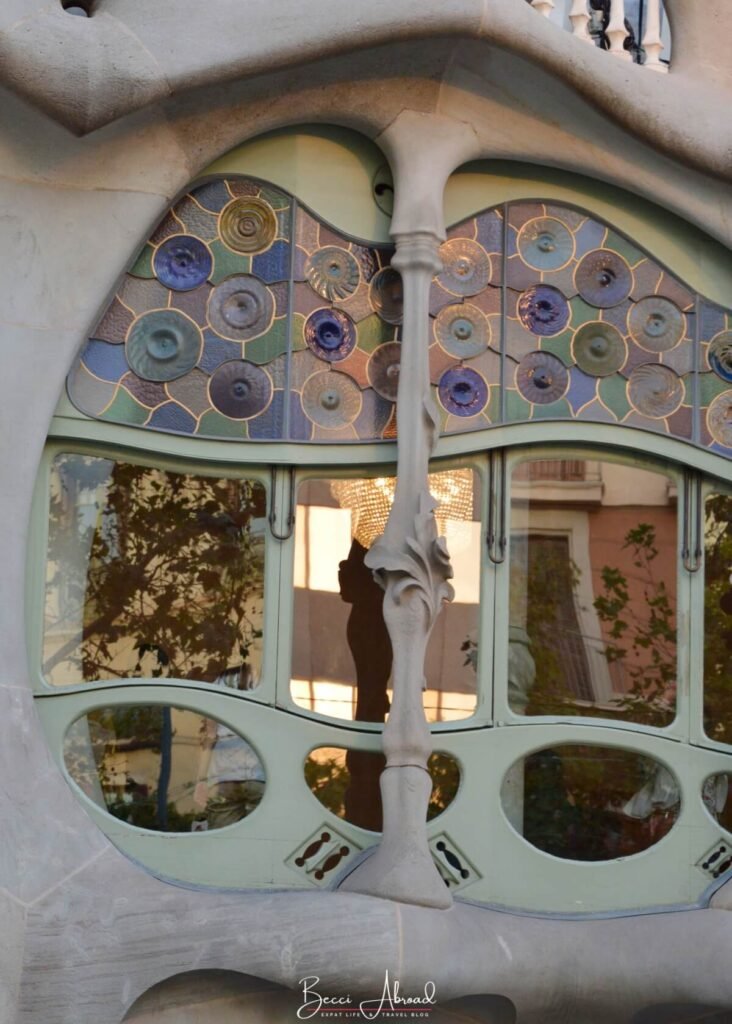
Barcelona is famous for its impressive architecture, such as the famous church, Sagrada Familia, and unique buildings like Casa Batlló and Casa Milá.
Barcelona is also famous for its year-round mild Mediterranean weather, which makes it a great destination all year round – just keep in mind that summers in Barcelona are hot and humid!
Barcelona is generally a safe city for tourists, but honestly, pickpocketing is the one issue you really need to take seriously here.
The risk is highest in very touristy areas like La Rambla, around the Gothic Quarter, and on public transport, especially the metro.
My best advice is to stay aware of your surroundings and avoid flashing valuables. Keep your phone and camera tucked away in your bag when you’re not actively using them, and you’ll already be ahead of the game.
That said, to put things into perspective, I lived in Barcelona for two years and never got robbed or pickpocketed once.
Barcelona and the rest of Spain are part of the Schengen Area, so EU citizens don’t need a visa.
Most travelers from the UK, US, Canada, Australia, and New Zealand don’t need a visa for short stays, but always double-check before you travel.
Tipping isn’t expected in Barcelona. Rounding up or leaving small change is appreciated but optional.