Argentina | Latin America | Mendoza | Travel

I lived in Buenos Aires, Argentina‘s capital, for seven years, and during those years I traveled to the Mendoza province twice.
The first time, I came for the wineries and the Andes Mountains. The second time, my husband and I came for a family wedding in San Rafael, and of course we squeezed in a few wineries too!
You’ll read everywhere that Mendoza is Argentina’s wine capital. And it isn’t wrong!
In 2024, around 80% of all the wine made in Argentina comes from Mendoza, and you can find Malbec from Mendoza in supermarkets and wine shops all over the world. But wine is not the whole truth about Mendoza.
Mendoza is not just a wine region with a city attached.
Mendoza sits right at the foot of the Andes Mountains, with Aconcagua, the highest mountain in the Americas, hot springs, wild rivers for rafting, and mountain roads that lead all the way to Chile.
Mendoza City itself is calm and green, with shady plazas and deep irrigation canals, called acequias, running along almost every street.
The people of Mendoza, also known as mendocinos, take a lot of pride in their winemaking heritage and their relaxed way of life.
This Mendoza travel guide is everything I wish I had known before my first trip, written by a Dane who spent seven years getting under the skin of Argentina.
This travel guide has all the practical stuff, from when to visit and how to get there to money, safety, getting around, where to stay, things to do in Mendoza and, of course, the best food and wine to try!
Jump around the sections however you like, and dip into my additional Mendoza resources whenever you want to go deeper.
Let’s dive into it!
Disclosure: Some of the links below are affiliate links. This means that at no additional cost to you, Becci Abroad will earn a commission if you purchase through one of those links. This helps to pay the bills and the maintenance of the site.
Mendoza offers many fascinating things to do and exciting places to visit, from the wineries to the Andes Mountains. Choose the type of Mendoza travel tips you are looking for below.
Explore my detailed posts about Mendoza to help you plan your trip and get under the skin of Argentina!
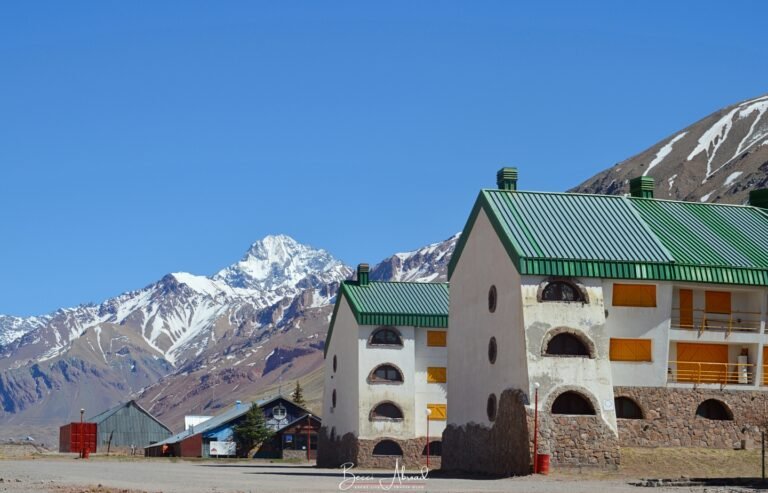
Mendoza is the name of both a province and its capital city. You will hear locals talk about Provincia de Mendoza, the province, and Ciudad de Mendoza, or Mendoza City.
Mendoza is located in the western part of Argentina, in a region called Cuyo, right at the foot of the Andes Mountains.
In Spanish, the Andes Mountains are called la Cordillera de los Andes, or simply la Cordillera. Just on the other side of the Andes Mountains from Mendoza, you will find Santiago de Chile, the capital of Chile.
Mendoza City is located around 1,050 kilometers (650 miles) west of Buenos Aires, at around 750 meters (2,460 feet) above sea level.
In Mendoza, like in the rest of Argentina, locals speak Spanish.
Spanish in Argentina has its own accent and vocabulary, and Argentines use vos instead of tú for “you”, with its own verb forms.
The local accent in Mendoza belongs to the Cuyo Spanish spoken in Mendoza, San Juan, and San Luis, and it is softer and calmer than the strong Rioplatense, or River Plate Spanish, of Buenos Aires. Because Mendoza is so close to the border, the accent also has a few Chilean influences.
You will still hear the Argentine “sh” sound for the double L and the Y, so calle sounds a bit like “ca-she”, but in Mendoza the sound is usually much softer than in Buenos Aires.
At wineries, hotels and restaurants, the staff often speak some English, but outside the tourist spots very few people do, so brush up on your Spanish before your trip to Mendoza!
Most visitors spend a lot of their time in Mendoza at the wineries, so a few wine words go a long way here, and mendocinos are genuinely warm about it when you try!
Bodega is the word you will hear most in Mendoza.
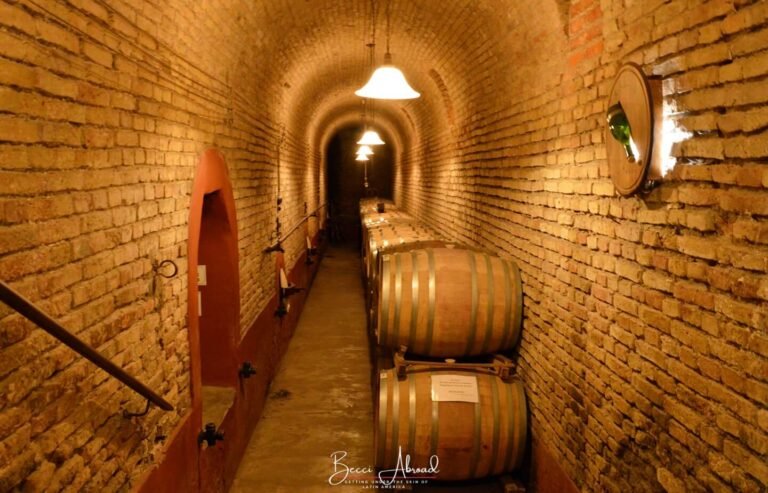
A bodega is a winery, and the Mendoza province has almost 900 of them! In Spanish, a bodega can also mean a wine cellar or a storage room, but in Mendoza it’s all about the wine.
Degustación means a wine tasting, and you will see it at every winery.
A degustación usually includes a short tour and a few of the winery’s wines. If the tasting comes with food, look for maridaje, which means wine pairing.
Vendimia means the grape harvest, and it is the biggest word of the year in Mendoza!
The harvest runs from around February to April, and Mendoza celebrates it with the Fiesta Nacional de la Vendimia, the national grape harvest festival.
Acequia is a word you will learn quickly in Mendoza, preferably before you fall into one!
Acequias are the open irrigation canals along the streets of Mendoza City, carrying water from the Andes to the trees that keep the city green in the middle of a desert.
Siesta is the afternoon break, and Mendoza still takes it seriously.
Many small shops close in the early afternoon and open again in the late afternoon, so use the siesta hours for a long lunch at a winery instead!
In this part of my Mendoza travel guide, I will cover the most important things to know when you start planning your trip, from how many days you need to the best time to visit Argentina’s wine region.
I strongly recommend spending at least three days in Mendoza! The wineries and the Andes Mountains are a drive away from the city, so everything takes a bit longer than you might expect.
With three days in Mendoza, you can spend one day at the wineries, one day exploring Mendoza City, and one day on a day trip into the Andes Mountains.
With five days or more, you can add outdoor adventures like white water rafting on the Mendoza River, a relaxing day at the Cacheuta hot springs, horseback riding in the Andes Mountains, or a full day of hiking in Aconcagua Provincial Park.
If you also want to visit San Rafael, around 200 kilometers (125 miles) south of Mendoza City, add at least two extra days.
Overall, Mendoza is a welcoming destination, and most travelers enjoy their trip to Mendoza without any issues. However, petty theft like pickpocketing and phone snatching can happen, especially in the busy streets of the city center and around the bus terminal.
A few practical tips for staying safe during your Mendoza trip:
Mendoza also has two risks that have nothing to do with crime.
The first one is the drive home from the wineries, so if you are planning to taste wine, leave the driving to someone else! I explain the alcohol limits for drivers under “Rent a car” below.
The second one is the Andes Mountains. The road to Chile climbs to over 3,000 meters (9,800 feet), the weather changes quickly, and heavy snow can close the mountain pass for days or even weeks in winter, so always check the road conditions before you head up.

The best time to visit Mendoza is from October to April, when the days are warm and sunny, and the vineyards are green.
The seasons in Argentina are reversed compared to the U.S. and Europe, because Argentina is located in the Southern Hemisphere.
March is often called the absolute best time to visit Mendoza, because it’s harvest season and the time of the Vendimia festival, with wine events all over the province. The parades and the big main show usually take place on the first weekend of March.
If you are a little bit like me and prefer to visit when it isn’t too crowded, spring, or April after the Vendimia, still lets you enjoy the vineyards while avoiding the peak crowds!
Mendoza even has its own wind, the Zonda, a hot and dry wind that blows down from the Andes, mostly in winter and spring. When the Zonda blows, the temperature can jump in a few hours and the air fills with dust.
Spring is when the vines wake up in Mendoza. The days are warm and sunny, the nights are chilly, and there is still snow on the peaks of the Andes. It’s a lovely time for wine tasting without the summer heat or the harvest crowds.
21-27°C (70-81°F) by day
8-14°C (46-57°F) at night
Summers in Mendoza are hot and dry, and January and February are the Argentine school holidays, so the city and the wineries are busier with local tourists. Plan your winery visits for the morning and save the hot afternoons for a long lunch in the shade.
29-31°C (84-88°F) by day
17-18°C (63-64°F) at night
Autumn is harvest time, and the whole province celebrates it! March brings the Vendimia festival and the biggest crowds of the year. In April, the vineyards turn yellow and gold, the crowds go home, and the weather is still perfect for wine tasting.
18-27°C (64-81°F) by day
7-15°C (45-59°F) at night
Winter days in Mendoza are dry and often sunny, but the nights can drop close to freezing. Snow covers the Andes, and it’s ski season at Las Leñas. It’s a quiet time to visit the city and the wineries, but the mountain roads can close after heavy snowfall.
14-18°C (57-64°F) by day
3-5°C (37-41°F) at night
When packing for your trip to Mendoza, the most important thing is layers!
Mendoza’s desert climate means that it gets warm during the day but cools down a lot in the evenings.
Mendoza is a casual place, and for the wineries and the city, comfortable everyday clothes and a good pair of sneakers are all you need. The sun is strong all year round, so sunscreen and sunglasses are a must!
There are a couple of apps that will make your trip to Mendoza a lot smoother. Download them before you arrive, so you don’t spend your first afternoon setting them up!
WhatsApp is a free messaging app that Argentines use for almost everything.
In Mendoza, many wineries and restaurants take reservations over WhatsApp. When we booked our winery visit at Bodega La Abeja in San Rafael, we did it all on WhatsApp, and they were super quick to answer!
Google Maps works perfectly fine in Mendoza, both for finding your way around the city and for checking how far apart the wineries are, which matters more than you think!
MendoTran Cuándo Subo, which means “when do I get on?”, is the official public transportation app in Mendoza. It shows you in real time when the next bus or tram arrives at your stop.
Orbit Mobile is an affordable travel eSIM for Argentina.
Having data from the moment you land in Mendoza makes everything easier, from ordering an Uber at the airport to messaging the wineries on WhatsApp. Just keep in mind that the phone signal gets patchy once you head up into the Andes Mountains.
Get 20% off your eSIM with the discount code BECCI20
Money works the same way in Mendoza as in the rest of Argentina, and it’s much simpler now than it used to be.
Through 2025 and into 2026, the gap between the official exchange rate and the informal “blue dollar” rate collapsed to just a few percent, so most of the advice you’ll find online is out of date.
I go through the whole story in the money section of my Buenos Aires travel guide, so here I will stick to what you need to know for Mendoza.

Mendoza is now moderately priced for visitors from abroad, rather than the bargain it was a few years ago.
Eating out, local wine, taxis, and public transportation are still noticeably cheaper than in Western Europe or the US, and a good bottle of Malbec costs a fraction of what you would pay back home!
The big expenses in Mendoza are the wine experiences. Tastings at the famous wineries, long lunches with wine pairings, and full-day tours into the wine regions or the Andes add up quickly, so budget for those first.
Keep in mind that Mendoza is cheap for you, not for the people who live there. Tip properly, especially your guides and drivers, and don’t haggle in the markets.
In 2026, you have three good options for paying for things in Mendoza:
Foreign Visa and Mastercard payments now settle at a rate close to the official rate, so for most visitors, paying by card is the simplest option. Cards are accepted at most wineries, hotels, restaurants, and supermarkets in Mendoza.
Always carry some pesos! Small shops, kioscos (corner shops), market stalls, and some taxis only take cash, and you will want small notes for tips.
You will still need some Argentine pesos in cash for small payments and tips. In my opinion, the two best ways to exchange money in Mendoza are:
When exchanging money in Mendoza, you should avoid two things:
Mendoza has its own international airport and a big long-distance bus terminal, so it is easy to reach from Buenos Aires, from Chile, and from the rest of Argentina.
The best way to get to Mendoza depends on where you are starting from. If you are coming from Europe or North America, the easiest option is usually to fly into Buenos Aires and take a domestic flight to Mendoza.
Mendoza’s airport, Aeropuerto Internacional Gobernador Francisco Gabrielli, is better known as El Plumerillo (code: MDZ).
El Plumerillo receives several daily flights from both of Buenos Aires’ airports, Aeroparque Jorge Newbery (AEP) and Ezeiza (EZE), and the flight takes just under two hours.
Aerolíneas Argentinas, Flybondi and JetSMART all fly between Buenos Aires and Mendoza. You can book directly with the airlines or use Kiwi.com to compare prices.
Flybondi is a local low-cost airline, so expect a lot of extra fees for luggage, and it isn’t the best service! Flybondi is also infamous for delaying and canceling flights with little to no warning.
Aerolíneas Argentinas is the state-owned airline, and it’s slightly better than Flybondi. However, you can sometimes have issues buying tickets with a foreign credit card on their website, so I recommend booking through Kiwi.com.
Mendoza also has direct international flights to Santiago de Chile, São Paulo, Rio de Janeiro, Lima and Panama City, so you can even connect from North America through Panama without going via Buenos Aires.
Long-distance buses from all over Argentina arrive at Terminal del Sol, Mendoza’s bus terminal.
The bus ride from Buenos Aires to Mendoza takes around 14 to 16 hours, so take an overnight bus and choose a cama seat, which reclines almost flat.
Busbud is a great tool for finding the best deals on long-distance buses in Argentina.
The bus from Santiago de Chile to Mendoza crosses the Andes Mountains through the Cristo Redentor pass, and the route should be completely breathtaking!
The trip usually takes around 6 to 8 hours, depending on the queue at the border. In winter, heavy snow can close the pass for days, and in the winter of 2026, it was closed for around a month, so always check the status of the pass before you book.
Mendoza’s airport is only around 11 kilometers (7 miles) from the city center, so it is quick and easy to get into Mendoza City.
If you are staying at a winery outside the city, I strongly recommend a private transfer, so you avoid the hassle of public transportation in the more remote wine regions.
Bus line 680 is the most popular local bus from the airport to the city center. It runs to the bus terminal and the center of Mendoza City, and the ride takes around 35 to 45 minutes.
The line 680 only runs about once an hour on average, and less often on weekends. Two other lines, 675 and 965, connect the airport with Las Heras and the Maipú area.
To pay for the bus, you need a SUBE card or a contactless Visa or Mastercard.
A remis is the Argentine word for a private car with a driver, and it works much like a taxi, except that you know the price before you go.
At Mendoza Airport, you’ll find an official remis counter in the arrivals hall with fixed prices to Mendoza City and the rest of the province.
You’ll find plenty of taxis at the taxi stand just outside the arrivals hall, and the ride to the city center takes around 20 minutes.
Personally, I like booking with Welcome Pickups or a remis, because I know the price beforehand and don’t end up with any unpleasant surprises.
Welcome Pickups is an airport transfer service where you book your car in advance, so the driver is waiting for you in the arrivals hall when you land.
I normally use Welcome Pickups for airport transfers, and it’s a super easy platform to use! Many hotels and winery lodges also offer airport shuttles, so check with your accommodation before you arrive.
Both Uber and Cabify work at Mendoza Airport. Download the apps before you travel, and order your car once you have landed, with pickup just outside the terminal.
Once you have arrived in Mendoza, it’s time to explore! In this part of the Mendoza travel guide, I’ll cover what to do, where to stay, what to eat, and how to get around.
Mendoza offers something for every taste, but the wineries, the city, and the mountains all pull in different directions, so you need to decide how you want to spend your time!
Do you want to spend your days tasting Malbec? Then head to the wine regions of Luján de Cuyo, Maipú, and the Uco Valley, and use my guide to wine tasting in Mendoza to plan it.
If you’re more into the outdoors, the Andes Mountains are right on Mendoza’s doorstep. You can hike in Aconcagua Provincial Park, go rafting on the Mendoza River, kayak on the Potrerillos reservoir, or relax in the Cacheuta hot springs.
Or would you rather take it slow? Mendoza City is charming, with tree-lined streets, beautiful plazas, and Parque General San Martín, one of the largest city parks in Argentina.
And if you have more time, there are great day trips from Mendoza. I did the High Mountain day trip into the Andes on my first trip, and Puente del Inca is hands down one of the most unique things to see in Mendoza!
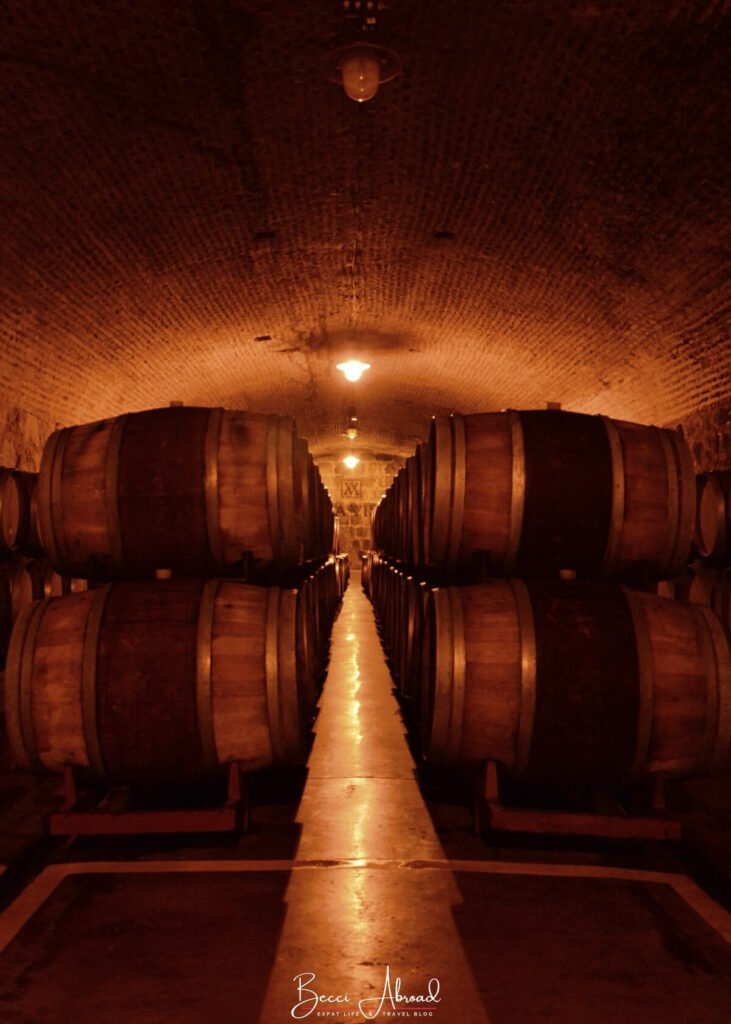
Mendoza’s two classic wine regions are right next to the city. On my first trip, I did a guided wine tour in Luján de Cuyo that ended with a long lunch with wine pairings at Clos de Chacras, and it was very much worth it!
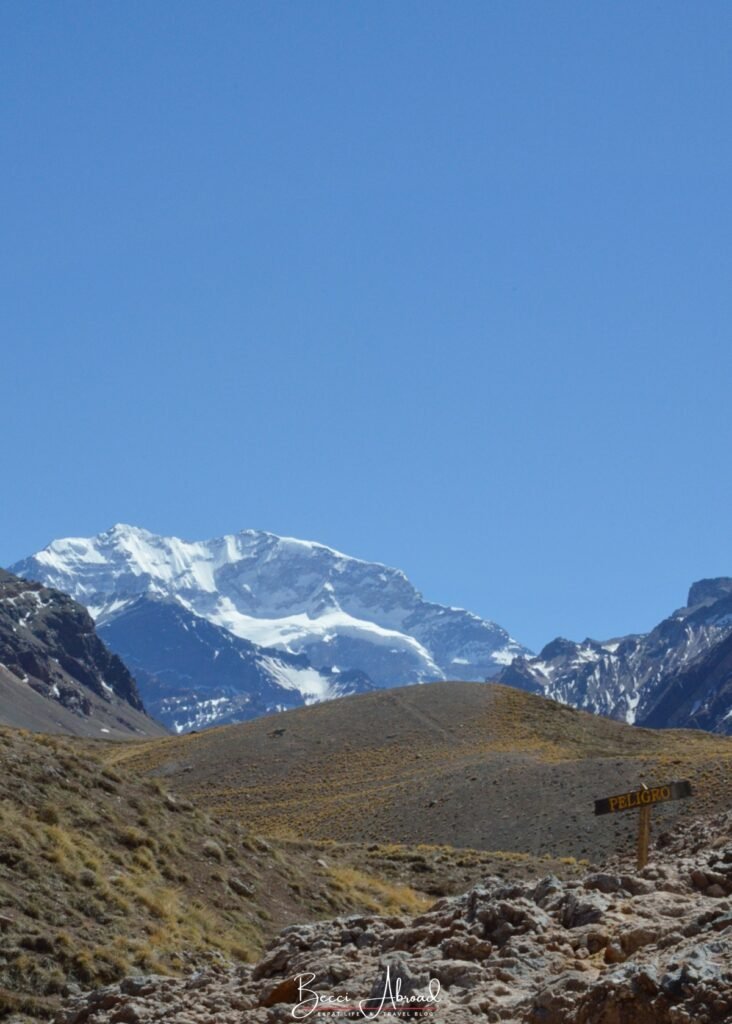
The High Mountain day trip follows Ruta 7 into the Andes, past the Potrerillos reservoir and Uspallata to Puente del Inca, a natural stone bridge stained orange by mineral springs. Along the way, you get views of Aconcagua, the highest mountain outside Asia at 6,961 meters (22,838 feet).
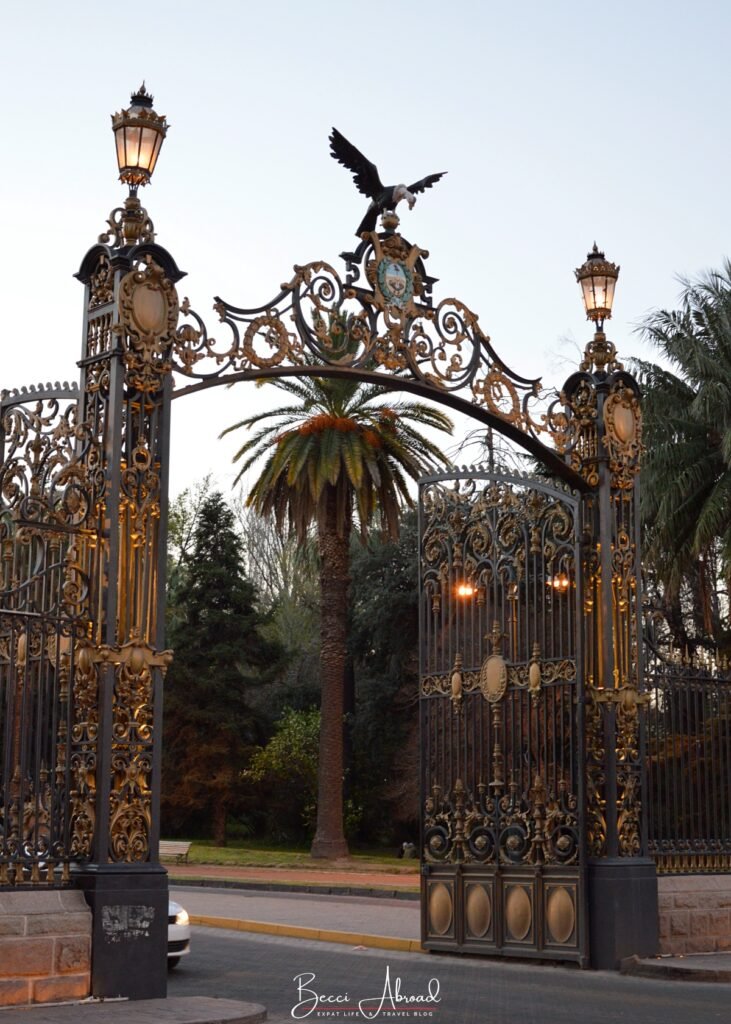
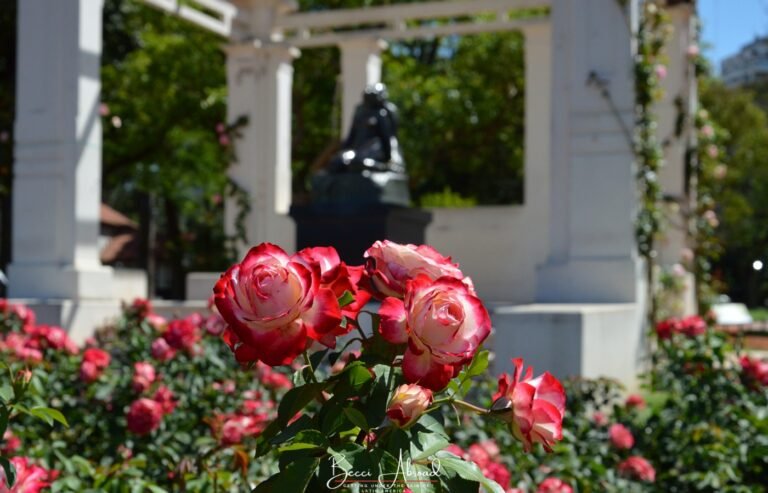
Parque General San Martín is Mendoza’s huge city park, designed by the landscape architect Carlos Thays, with a lake, a rose garden, and the Condor gates from 1907. Climb Cerro de la Gloria for the monument to the Army of the Andes. The hill isn’t very high, but the view of the Andes is nice!
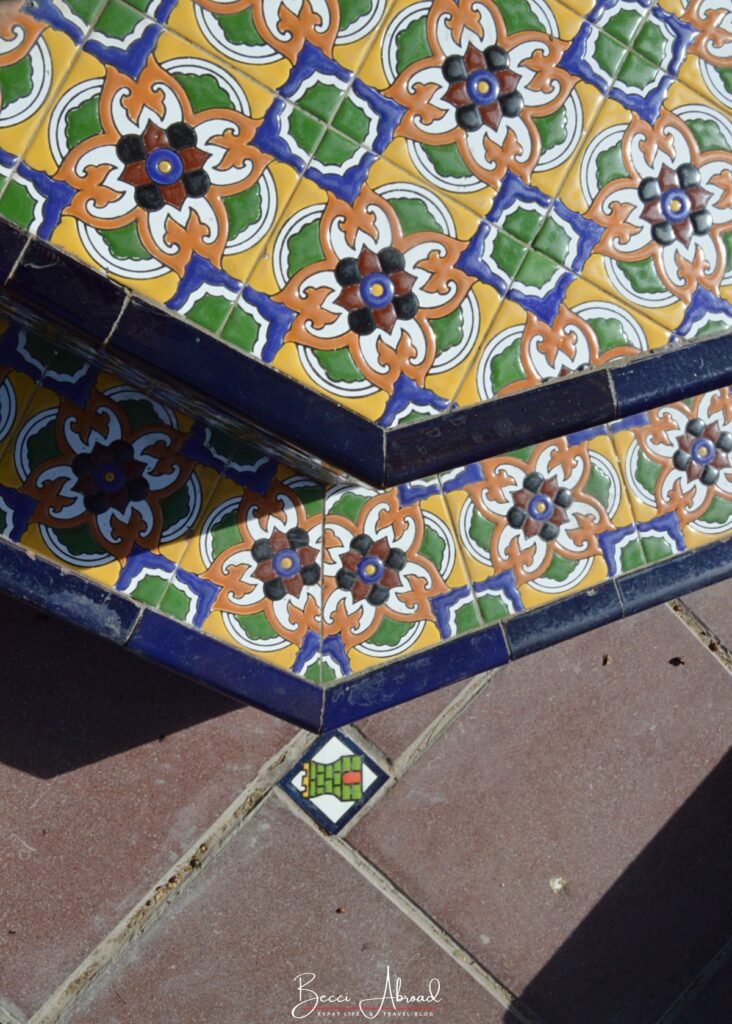
Mendoza City was rebuilt around Plaza Independencia and four smaller plazas after an earthquake destroyed the old city in 1861. My favorite is Plaza España, decorated with colorful Spanish tiles called azulejos. From Thursday to Sunday evening, Plaza Independencia also has a dancing fountain show.

The Cacheuta hot springs are natural thermal pools in a mountain valley along the Mendoza River, around 40 kilometers (25 miles) from Mendoza City. It’s the perfect way to relax after a few days of wine tasting!
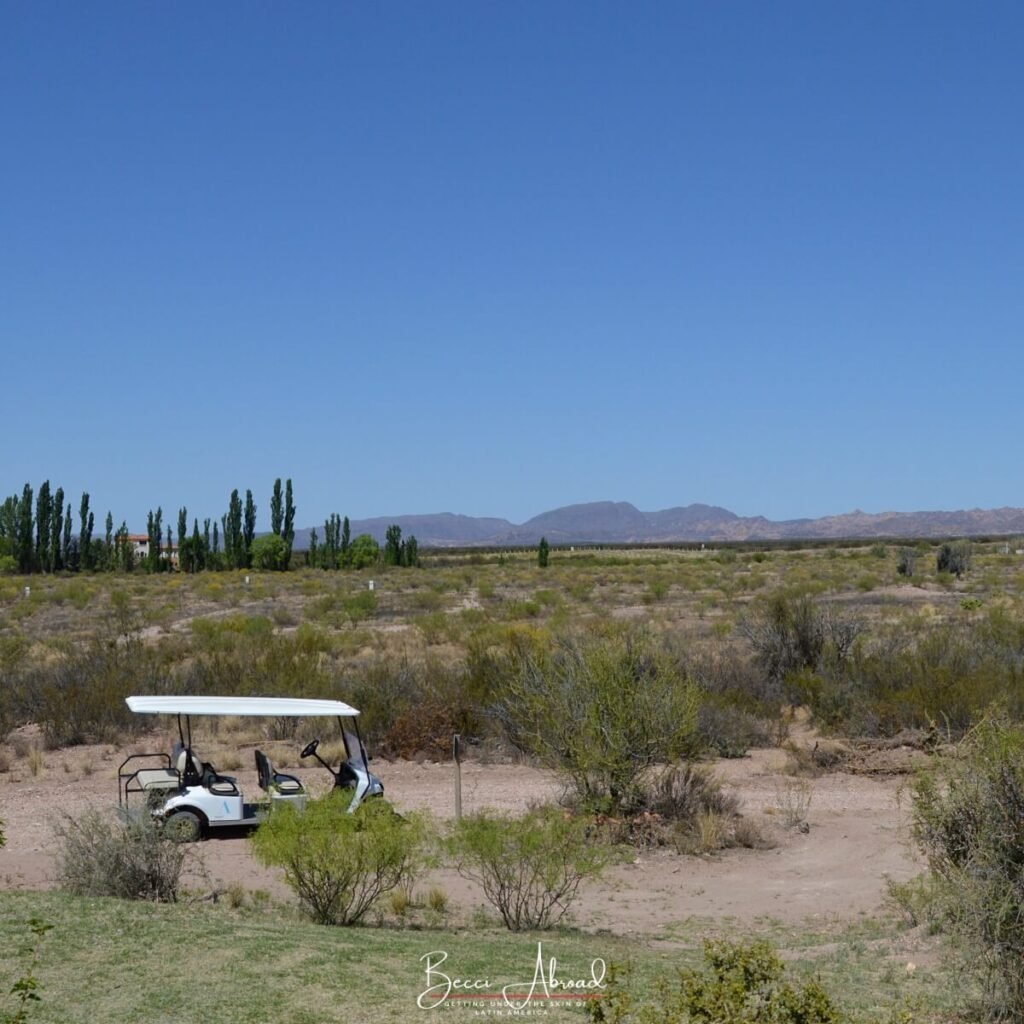
San Rafael, in the south of the Mendoza province, is all about family-run wineries, the Atuel Canyon, and the Valle Grande dam. My husband and I had a guided tour and lunch at Algodón Wine Estates, and it was the highlight of our trip to San Rafael!
When you travel to Mendoza, you can either stay in Mendoza City or at a winery in one of Mendoza’s wine regions.
Mendoza City is the best base for exploring the city, the Andes Mountains, and a few wineries, because most tours offer pickup from accommodations in the city center.
Staying at a winery means waking up among the vines with the Andes in the background. It’s more expensive, and you need a car or a driver, but it’s a very special way to experience Mendoza.
The three areas below are where I’d send a first-time visitor.
Mendoza City offers a wide range of hotels, boutique stays, and budget-friendly hostels, and everything in the center is within walking distance. On my first solo trip to Mendoza, I stayed in a local Airbnb in Mendoza city centre, and it was perfect for both exploring the city and the wineries.
Stay near Plaza Independencia, or around Arístides Villanueva, the city’s restaurant and nightlife street.
Chacras de Coria is a charming little town in Luján de Cuyo, around 20 to 30 minutes by car from Mendoza City, with leafy streets, a pretty plaza, and wineries close by.
Luján de Cuyo and Maipú are the most popular wine regions to stay in, and they are close enough to the city for a quick taxi ride to dinner.
If you’re looking for luxury and breathtaking landscapes, the Uco Valley, Valle de Uco in Spanish, is home to high-end wine resorts with spectacular views of the Andes.
The Uco Valley is around 90 minutes south of Mendoza City, so plan to stay a few nights. Unfortunately, I didn’t get to visit the Uco Valley on my two trips to Mendoza.
Choosing the right area can really shape your Mendoza travel experience, but so can picking the right accommodation!
Mendocinos take eating seriously, and like everywhere in Argentina, meals run long and late!
On Arístides Villanueva, the restaurants fill up after 10 pm, so book ahead, or arrive around 8 pm, when you can usually get a table without a reservation.
The food in Mendoza is shaped by Spanish and Italian immigration and by the land itself: beef and goat from the grill, olives and olive oil, fruit and vegetables from the irrigated valleys, and, of course, wine with everything.
In my opinion, the best way to eat in Mendoza is a long lunch at a winery, with several courses, each paired with a different wine.
I had lunch with wine pairings at Clos de Chacras in Luján de Cuyo and at Algodón Wine Estates in San Rafael, and I cannot recommend a winery lunch enough!
In Mendoza City, my favorite lunch spot was Anna Bistró on Avenida Juan B. Justo.
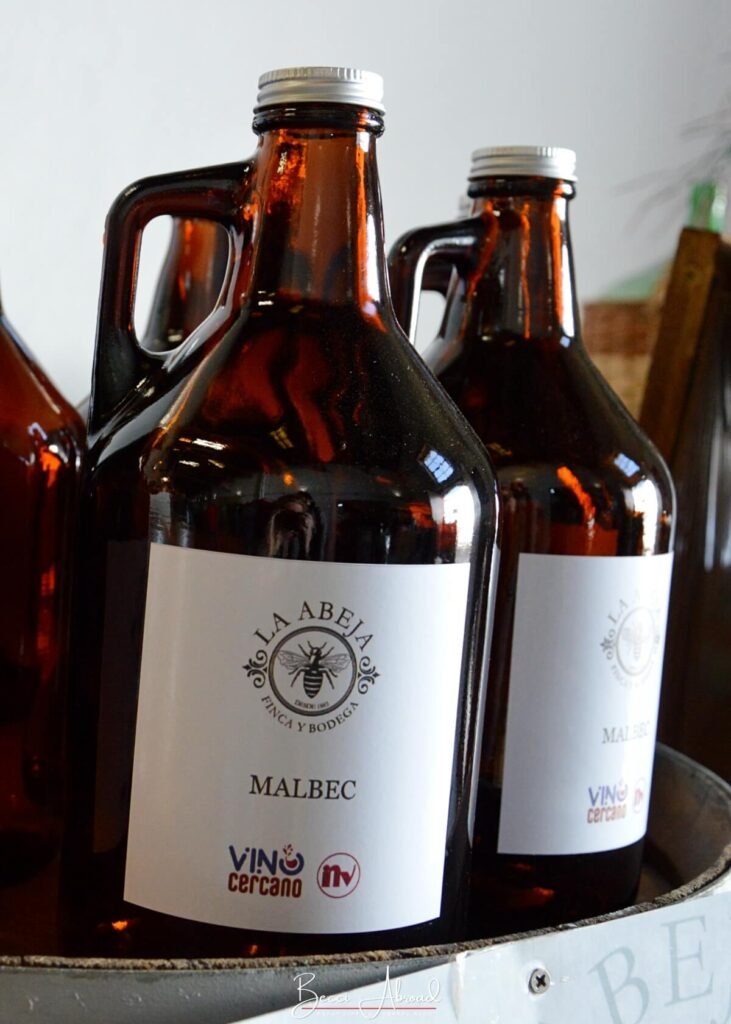
Malbec is Mendoza’s famous red wine grape! Malbec came to Argentina from France in the 1800s, and today Mendoza makes some of the best Malbec in the world.
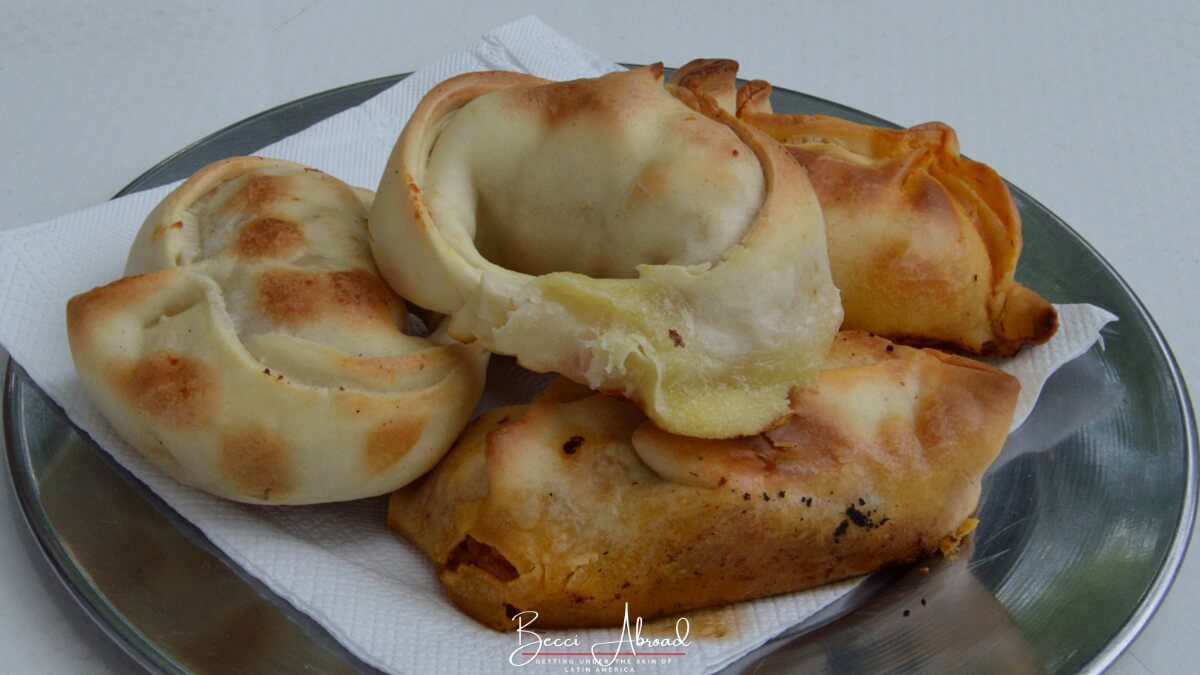
Mendoza’s own empanadas are baked and filled with juicy, hand-cut beef, plenty of onion and olives. Every province in Argentina is proud of its empanadas, and Mendoza is no exception!
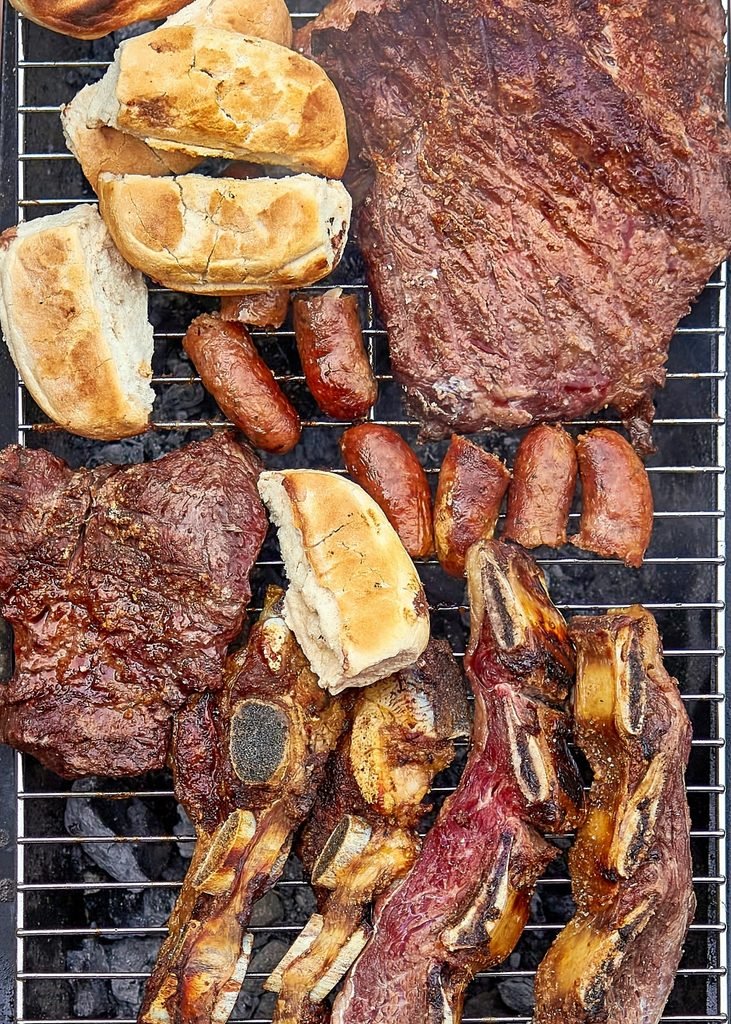
Asado is not just barbecued meat. It’s a whole ritual in Argentina, where the meat is cooked slowly over wood embers on a parrilla, a large grill. In Mendoza, it comes with a glass of Malbec, of course!
Mendoza City is flat, built on a grid and easy to walk, and the city has good public transportation with buses and a light rail tram.
To explore the wine regions and the Andes Mountains, though, you’ll need a tour, a driver or a car.
You can easily walk around Mendoza City to explore the plazas, the parks, and the architecture, and you can cover the highlights of the city in about one day.
The streets are shaded by thousands of trees, which you will appreciate in summer! Just keep an eye on the deep acequias along the sidewalks, especially at night.
The Metrotranvía is Mendoza’s light rail tram, and it is the easiest way to reach the Maipú wine region by public transportation. Hop on at Estación Mendoza, at the corner of Avenida Las Heras and Avenida Belgrano, and ride to the last stop, Gutiérrez, in Maipú.
The tram line also runs north to Las Heras and through Godoy Cruz, and it runs from around 6 am to 10 pm.
Mendoza has a good network of city buses, called colectivos, run by the MendoTran system.
Honestly, I didn’t use the city buses when I visited Mendoza, except of going to and from the airport. Everything in Mendoza City is within walking distance. If you do need a bus, Google Maps and the MendoTran Cuándo Subo app will show you which line to take.
Taxis are best for short trips in Mendoza City, while a local remis is likely to offer a better price for longer trips out to Maipú and Luján de Cuyo.
Taxi drivers in Mendoza, like in most of Argentina, mainly speak Spanish and only very limited English.
When my husband and I visited the wineries in San Rafael, we hired a taxi to drive us between them, and it worked great!
In Mendoza, you can use both Uber and Cabify to get around the city and its surrounding areas. In the more remote wine regions, you might have to wait a while for a car, so ask the winery staff to call you a taxi if you can’t find a ride.
Cabify also has a special service for winery visits in Mendoza, called Cabify Bodegas, where you book a car and a driver for eight hours at a fixed price. The Uco Valley costs a bit more than Luján de Cuyo and Maipú.
I haven’t tried Cabify Bodegas myself, but it seems super useful to have a fixed price and a driver who waits for you while you do the wine tastings!
The Maipú wine region is flat, and renting a bike is a popular way to get between the wineries.
Let me be completely honest with you; I regret not renting a bike when I visited Maipú! The wineries were much farther apart than I expected, and I ended up walking a lot.
You can reserve a bike in Maipú online before you go.
The Bus Vitivinícola is a hop-on hop-off wine bus that runs fixed routes through Maipú, Luján de Cuyo and the Uco Valley. It’s a good option if you don’t want to drive, but you can only visit the wineries on that day’s route.
Renting a car is a great option if you want to explore the Andes Mountains and the vineyards on your own.
Argentina has a zero alcohol limit for drivers on its national highways, like Ruta 7 and Ruta 40 in Mendoza, and the limit on Mendoza’s provincial roads is 0.5 grams per liter.
So, if you plan on renting a car to visit the vineyards in Mendoza, please let someone else drive on your wine tasting days!
You can’t pay with cash on the buses or the Metrotranvía in Mendoza. Instead, you use SUBE, the same blue contactless card used in Buenos Aires, so if you already have one, you can use the same card in Mendoza!
SUBE stands for Sistema Único de Boleto Electrónico, which translates to Single Electronic Ticketing System. You can buy and top up a SUBE card at kioscos all over Mendoza City.
Since 2025, you can also tap a contactless Visa or Mastercard, or your phone, on the buses and the Metrotranvía in Greater Mendoza. But I’m not sure how reliable it is with foreign credit cards.
Mendoza City is laid out on a grid around Plaza Independencia, with four smaller plazas around it, which makes the city center easy to navigate.
The city was rebuilt this way after the earthquake of 1861, with wide avenues and big squares to make it safer.
Use the map below to see how Mendoza and its wine regions are laid out.
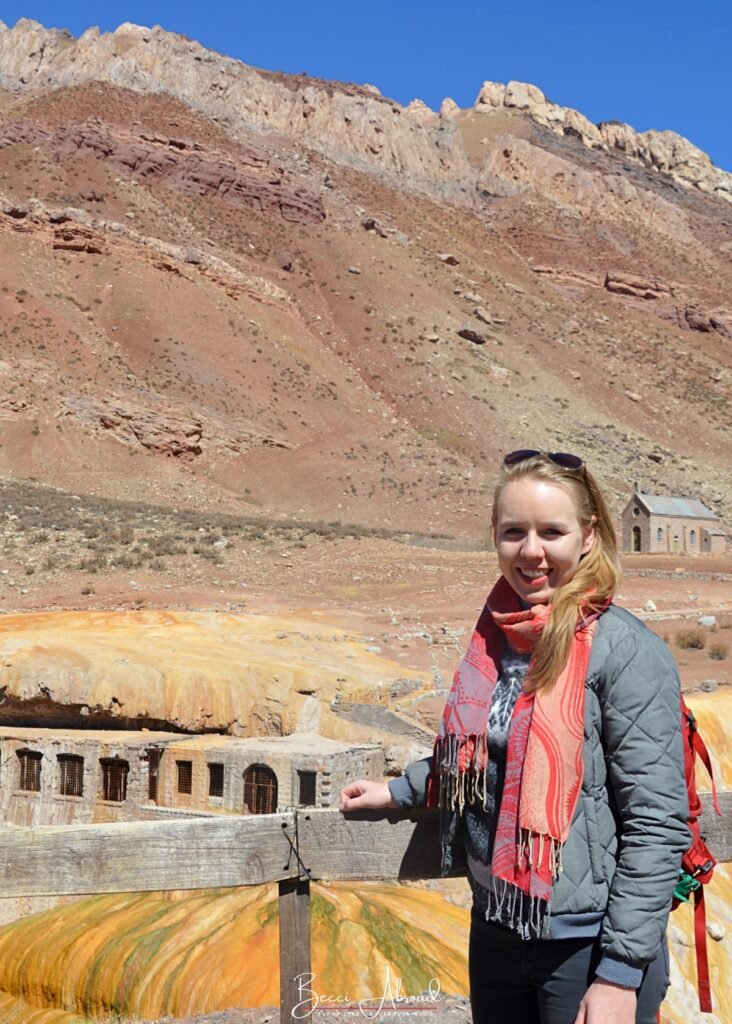
Mendoza holds a special place in my heart, and it has a lot to do with family!
I lived in Buenos Aires for seven years, from 2016 to 2023, and married into an Argentine family. My husband is from San Juan, Mendoza’s neighbor to the north, and part of his family lives in San Rafael, in the south of the Mendoza province.
I visited the Mendoza province twice while I lived in Buenos Aires.
The first time, I did a guided High Mountain day trip into the Andes Mountains and a wine tour in Luján de Cuyo, and I explored the plazas and parks of Mendoza City on foot.
The second time, my husband and I traveled to San Rafael for a family wedding. We spent the days between wineries and family visits, and the lunch at Algodón Wine Estates is still one of my favorite winery experiences.
Mendoza wine has a way of following me around too! When we got married in Buenos Aires, we served wines El Enemigo from the popular winery Casa Vigil in Mendoza, and the bottles came all the way from Mendoza by car.
I started Becci Abroad to share everything I picked up about Argentina, and this Mendoza travel guide is my way of helping you get under the skin of Mendoza.
Find answers to commonly asked questions about Mendoza, Argentina.
Yes, Mendoza is very much worth visiting, and not only for the wine!
Mendoza combines world-class Malbec and long winery lunches with the Andes Mountains, Aconcagua, hot springs, and a calm, green city with beautiful plazas. Plan at least three days to see the wineries, the city and the mountains.
Mendoza is famous for wine, and especially for Malbec, as around 80% of Argentina’s wine is made in the Mendoza province.
Mendoza is also famous for Aconcagua, the highest mountain outside Asia at 6,961 meters (22,838 feet), and for its Vendimia grape harvest festival every March.
Mendoza is generally a safe destination for tourists, as long as you take normal precautions against pickpocketing and phone snatching in the busy city center.
Watch out for the deep irrigation canals along the sidewalks at night, never drive after wine tasting, and check the mountain road conditions in winter.
Yes. You can take the Metrotranvía from Mendoza City to Maipú and rent a bike there, join a guided wine tour with hotel pickup, ride the Bus Vitivinícola hop-on hop-off wine bus, or book a driver for the day with Cabify Bodegas or a local remis.
The fastest way from Buenos Aires to Mendoza is a domestic flight of just under two hours with Aerolíneas Argentinas, Flybondi or JetSMART, from Aeroparque or Ezeiza.
You can also take an overnight long-distance bus from the Retiro bus station, which takes around 14 to 16 hours.
Travelers from the EU, UK, US, Canada, Australia and New Zealand don’t need a visa for tourist stays in Argentina of up to 90 days, only a passport valid for their stay. Rules do change, so check your own government’s advice before you travel, and check Chile’s rules too if you cross the Andes.
Sign up for my monthly travel newsletter with travel tips and hidden gems! You can unsubscribe at any point!