Danish Christmas Traditions: A Dane Explains How to Celebrate Danish Jul
Have you been invited to a Danish Christmas and realized you have absolutely no idea what you have said yes to?
I say this as a Dane and with the greatest respect and kindness to my fellow Danes but… Danish Christmas traditions are much stranger than we Danes are willing to admit!
We burn a candle with numbers on it, we hide an almond in the dessert to make everybody eat too much, and we watch the same Disney show every single year!
Before moving abroad, I did not think that any of the Danish Christmas traditions were unusual. Danish Christmas was what I grew up with, so it was the only version of Christmas I had ever seen.
So, after spending many years living abroad, including in Argentina, where Christmas happens in +30-degree heat with an asado (Argentine barbecue) on the terrace or by a pool, when I went home to Denmark in December a few years back, I suddenly saw the Danish Christmas traditions in a whole other light.
There are some seriously weird Danish Christmas traditions out there!
So, I decided to try and write it all down and hopefully help you, whether you are living in Denmark as a foreigner or just visiting Denmark at Christmas… Or maybe you are just obsessed with Danish culture and traditions?
In this guide, I will take you through when Danes actually celebrate Christmas, what we do in the weeks leading up to Christmas Eve, and what happens hour by hour on Christmas Eve.
Let’s get under the skin of Danish Christmas traditions!
A Local’s Guide to Christmas in Denmark
Disclosure: Some of the links below are affiliate links. This means that at no additional cost to you, Becci Abroad will earn a commission if you purchase through one of those links. This helps to pay the bills and the maintenance of the site.
The Short Version: How Do Danes Celebrate Christmas?
Christmas in Denmark almost always happens at home with family.
The big Christmas celebration in Denmark takes place on Christmas Eve, the 24th of December. But Danes don’t just celebrate Christmas on Christmas Eve. There are many Danish Christmas traditions that build up through the whole of December.
During December, Danish families light an adventskrans on the four Sundays of Advent, burn a kalenderlys each day of December, open a Christmas present calendar, watch a 24-episode Christmas TV series, and go to a julefrokost with their colleagues and friends.
Christmas Eve itself has its own running order, which I believe many Danish families follow:
Christmas in Denmark starts with Disney’s Christmas show at 4 pm. Then comes the Christmas dinner with roast pork and potatoes, followed the Christmas dessert risalamande with a whole almond hidden in it (more about this later!)
Then everyones dances around the Christmas tree, followed by unwrapping the Christmas presents!
The 25th and 26th are both public holidays in Denmark, and both days are quiet with most shops closed. Most Danish families use these two days for eating the leftovers from Christmas Eve or for visiting the other side of the family.
When Do Danes Celebrate Christmas?
Danes celebrate Christmas on the evening of the 24th of December..
In Denmark, Christmas is not celebrated in the morning or on the 25th… And no, there are no stockings at the end of the bed either!
The presents go under the Christmas tree, and we open them on the 24th of December in the evening.
If you are visiting Denmark in December, this is worth planning around the 24th of December to the 26th of December, and I have written more about that in my guide to Christmas in Copenhagen.
Danish Christmas Traditions at a Glance
|
What is…
|
Description
|
|---|---|
|
Christmas Eve in Denmark |
the 24th of December, in the evening |
|
Traditional Danish Christmas Eve dinner |
Flæskesteg or duck, brunede kartofler, rødkål, gravy |
|
Danish Christmas Dessert |
Risalamande with cherry sauce and a whole almond hidden in it |
|
Advent countdown |
Adventskrans on Sundays, kalenderlys every day |
|
Traditional Christmas TV |
Disneys Juleshow on DR1 at 4 pm on the 24th, plus a 24-episode julekalender |
|
Danish office party season |
Julefrokost, all through December |
|
Danish Christmas beer |
Tuborg Julebryg, released on J-dag, Friday 6 November 2026 |
|
Danish Christmas charity |
Julemærket, the Christmas seal, sold since 1904 |
Danish Christmas Traditions: Explained by a Local
Christmas in Denmark starts with the preparations and build up to Christmas Eve all through November and December.
For that reason, I have divided the post into two parts: firstly, I’ll cover the Danish Christmas Traditions during December and secondly, a detailed breakdown of how Danes actually celebrates Christmas Eve.
Danish Christmas Traditions during December
Danish Christmas does not start on the 24th of December, but sometime in early November.
Althought, when I was back in Copenhagen in September, some shops had even started to sell Christmas decorations!
Now let’s break it down a bit more and look at the traditions that fill up a Danish December, roughly in the order they arrive.
J-dag: The Christmas Beer Arrives
For a lot of Danes, Christmas starts on a Friday evening in early November, in a bar, with a beer!
But not just any beer! This year’s Christmas beer!
J-dag is the release day for Tuborg’s Julebryg, the Danish Christmas beer, and it lands on the first Friday of November at exactly 8:59 pm.
At 8:59 pm, the bars are finally allowed to pour it, Tuborg trucks drive through the Danish cities handing out free samples and blue Santa hats, and if it is not cold enough, they pump out fake snow.
Julebryg is a dark pilsner at around 5.6%, spiced with licorice, and it is sold for roughly ten weeks before disappearing again for a year.
When: In 2026, the J-dag will be on Friday 6 November.
Gløgg and Æbleskiver, Danish Mulled Wine and Pancake Balls
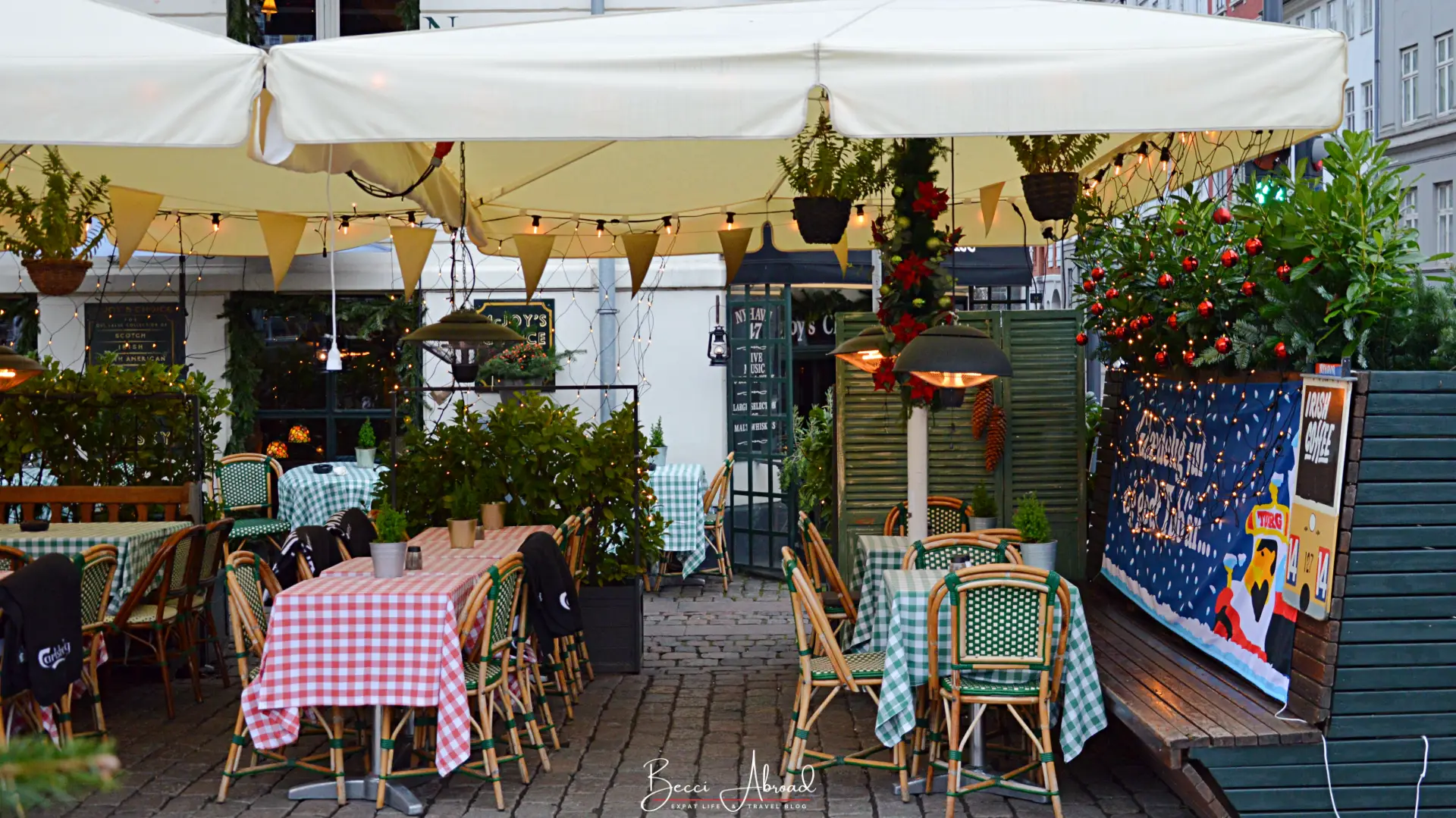
If you ask a Dane what Christmas tastes like, you will almost certainly get the same two answers: gløgg and æbleskiver.
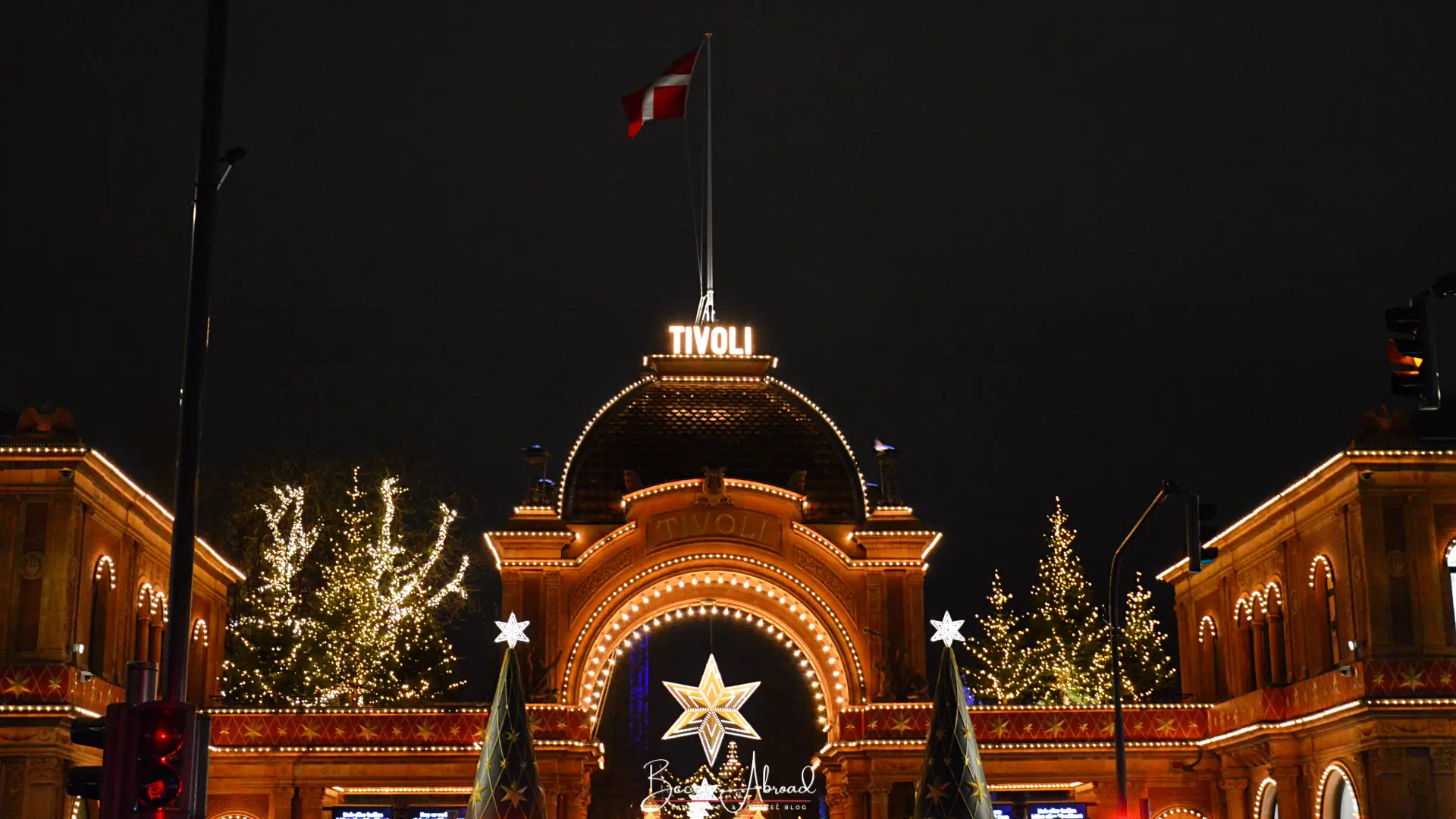
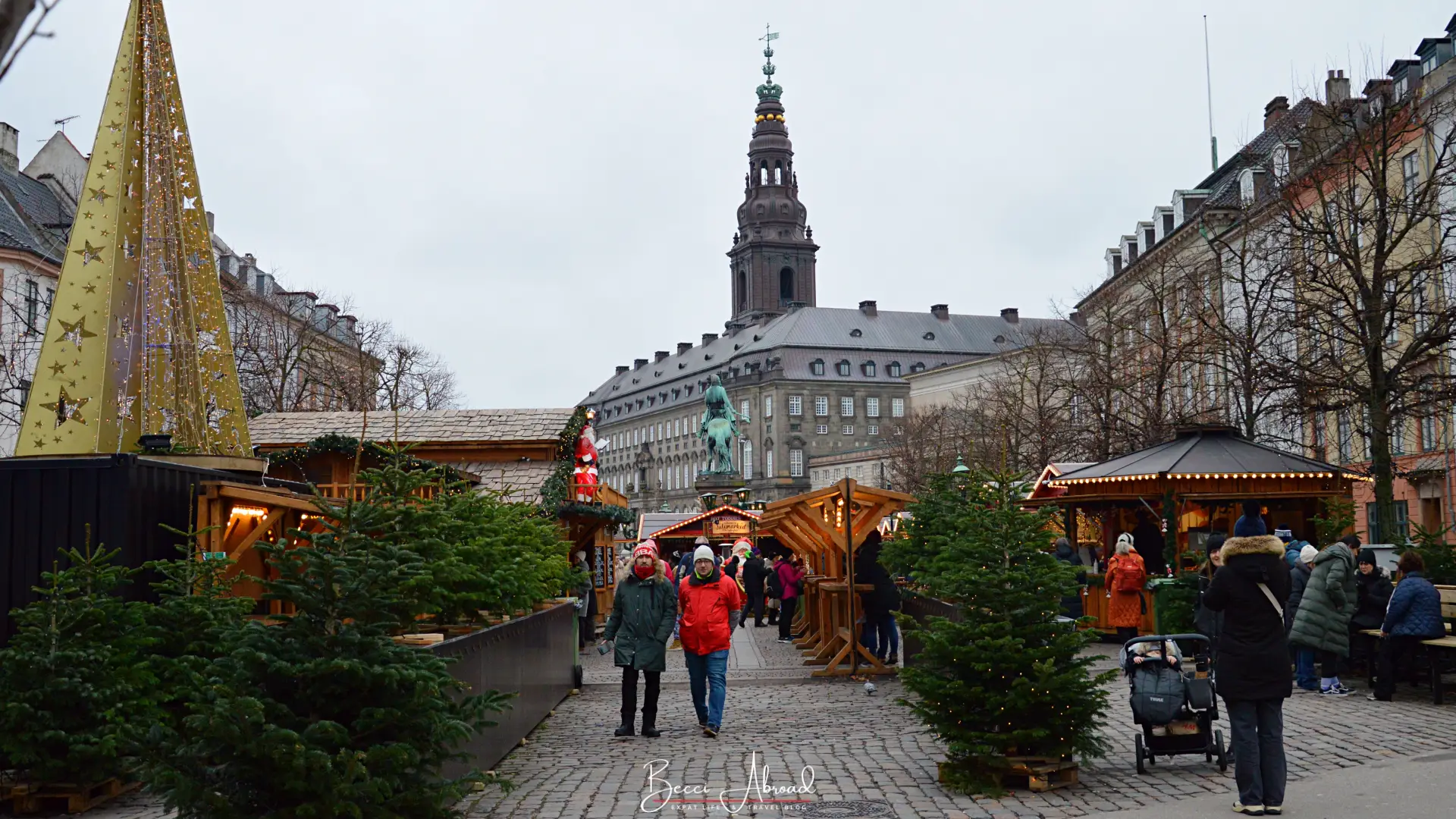
Unlike most of the Danish Christmas traditions on this list, these two are not tied to a single date. They turn up whenever Danes gather in December. You get them on advent Sundays, at a juleklip evening, after a cold walk through Tivoli Gardens Christmas market, and at more or less any December event where somebody wants you to stay a while.
Gløgg is a hot spiced wine, similar to the German mulled wine, with raisins and chopped almonds left to soak in the bottom of the glass. In Denmark, most families make gløgg at home from a spice mix or a pre-made box from the supermarket.
Gløgg isn’t my favorite Danish Christmas drink, but it has become kind of paired with æbleskiver, which is one of my favorite Danish Christmas foods.
Æbleskiver directly translates to “apple slices”, which confuses every foreigner who gets handed one, because there is no apple in them. Instead, æbleskiver are made of a dough similar to pancake batter, and many foreigners end up calling them “Danish pancake balls” or “Danish pancake puffs”.
However, there used to be apples in æbleskiver! The original version had pieces of apple baked into the dough, and when the apple quietly disappeared from the recipe, the name stayed behind.
Æbleskiver are baked in a special iron pan, called an æbleskivepande, which has round hollows in it that create the æbleskiver their rounded shape. However, you can also buy them pre-made in any Danish supermarket during December.
Æbleskiver arrive with a bit of powdered sugar and jam on the side, and they are eaten with your fingers between sips of gløgg.
Spending Christmas in Denmark without having gløgg and æbleskiver is almost like not spending Christmas at all!
Taste Danish Christmas sweets on a Christmas food tour in Copenhagen
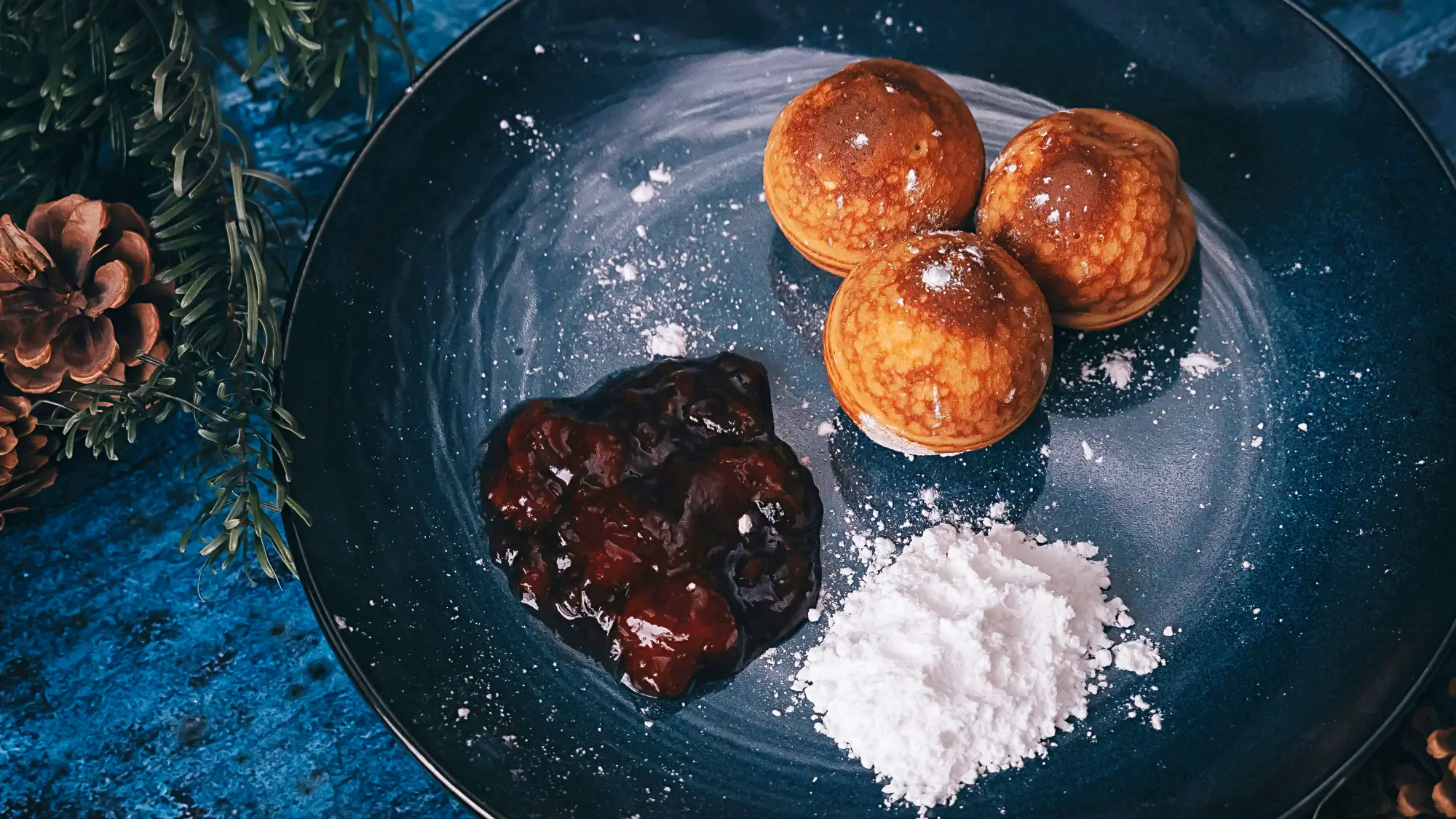
Æbleskiver, Danish Pancake Balls, are the Taste of Christmas in Denmark! Photo by Madara Moroza on Unsplash
Adventskrans, the Advent Wreath
The adventskrans, or translated the Advent Wreath, is four candles set into a wreath of spruce branches and ribbons.
In many Danish homes the Advent Wreath is used to mark the four Sundays before Christmas.
You light one more candle each Sunday. One on the first Sunday, two on the second, three on the third, and all four burning together on the fourth.
Growing up in Denmark, each year for Christmas my mum would prepare an adventskrans, and sometimes my grandparents would come to visit on one of the four Advent Sundays for æbleskiver (Danish Christmas pancake balls) and coffee.
In 2026, the first Sunday of Advent falls on 29 November, so together with J-dag this is the evening the Danish Christmas season properly begins in most homes.
Kalenderlys, the Calendar Candle
The kalenderlys, or translated calendar candle, is a tall candle marked with the numbers 1 to 24. Every day in December you light the calendar candle and burn it down by exactly one number.
Depending on each Danish family’s tradition, the calendar candle is usually lit at either breakfast or at dinner.
In some hotel receptions and even public offices in Denmark, you’ll also be able to spot the calendar candle, and it’s a whole tradition to make sure that the candle doesn’t burn down to the next day.
Actually, it is notoriously difficult to keep up with burning the candle to the exact right number. I think every Danish household has at some point looked up mid-conversation to find the candle has quietly eaten three days, and then simply agreed never to mention it!
Together with the Advent wreath, this is one of the small Christmas traditions that my mum kept doing during most of my childhood and teenage years.
If you want to try out the Danish kalenderlys tradition yourself, you can find many different versions of the calendar candle in most Danish supermarkets during November and December.
Pakkekalender, the Present Calendar
Danish children do not only get a chocolate calendar as a countdown to Christmas, many Danish children also get a pakkekalender, or translated a present calendar.
The present calendar consists of 24 small wrapped gifts, one for each day up to Christmas Eve.
The gifts in the pakkekalender are usually small gifts like hair clips, a pencil, a single Lego figure, and a pair of socks.
Some Danish adults have also started making the pakkekalender for each other, which is either very sweet or a 24-day gift-wrapping commitment you will regret by around the 9th!
When I was a kid in Copenhagen, my mum would make me a present calendar each year until I was around 10 years old. She even had a specially made cloth to hang all the 24 gifts on!
Julekalender, the Christmas TV Series
If you haven’t figured it out by now, Danes love to count down to Christmas Eve in all kinds of different ways, and Julekalender is no different!
Julekalender is a yearly Danish Christmas tradition where Danish national broadcasters make a television series with exactly 24 episodes, one broadcast each day in December, ending on Christmas Eve.
The julekalender normally has some sort of Christmas theme, and both DR and TV2 usually make a new one every year.
Most of the Christmas TV series are for children, but not all of them!
Some of the most famous Christmas TV series in Denmark for grown-ups are The Julekalender (1991) and Jul på Vesterbro (2003). These are seriously weird Danish comedy series with a Christmas theme.
Explore more Danish Christmas Traditions by booking a Christmas Experience
Juleklip, Christmas Paper Decorations
Juleklip means “Christmas cutting” and it refers to the Danish Christmas tradition of creating Christmas paper decorations.
In Denmark, there is a strong tradition of sitting down with colored paper and scissors and making the decorations yourself.
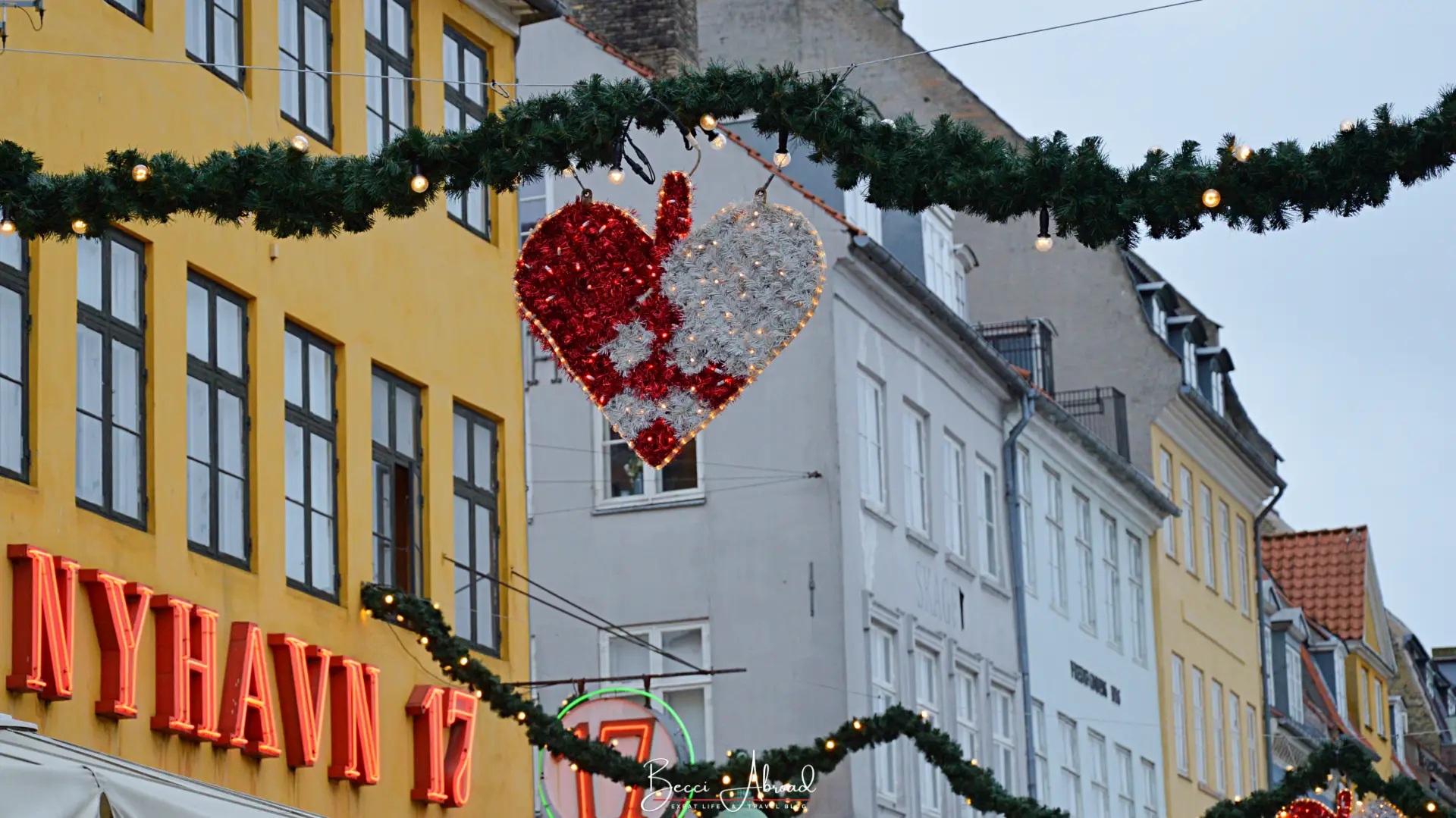
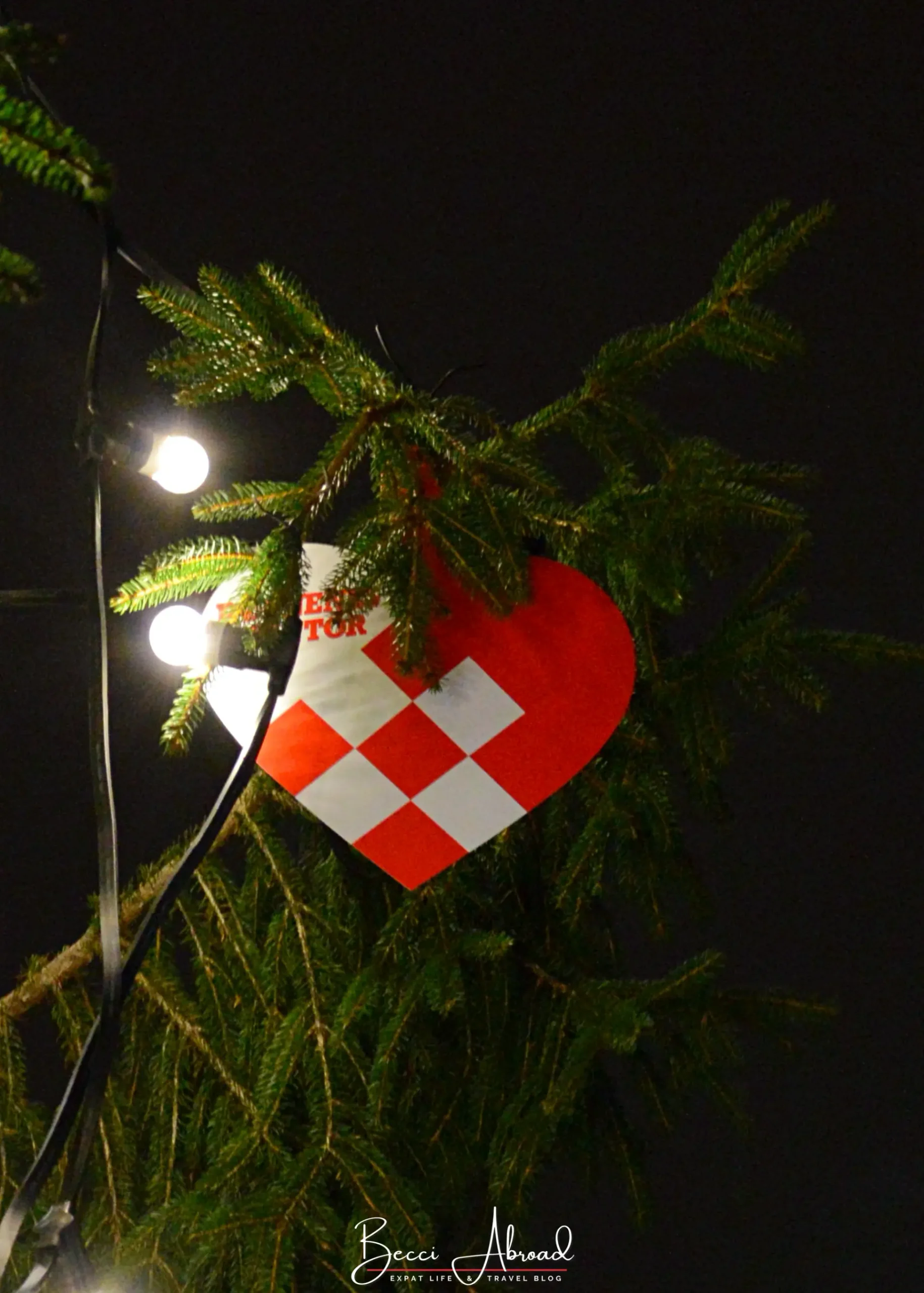
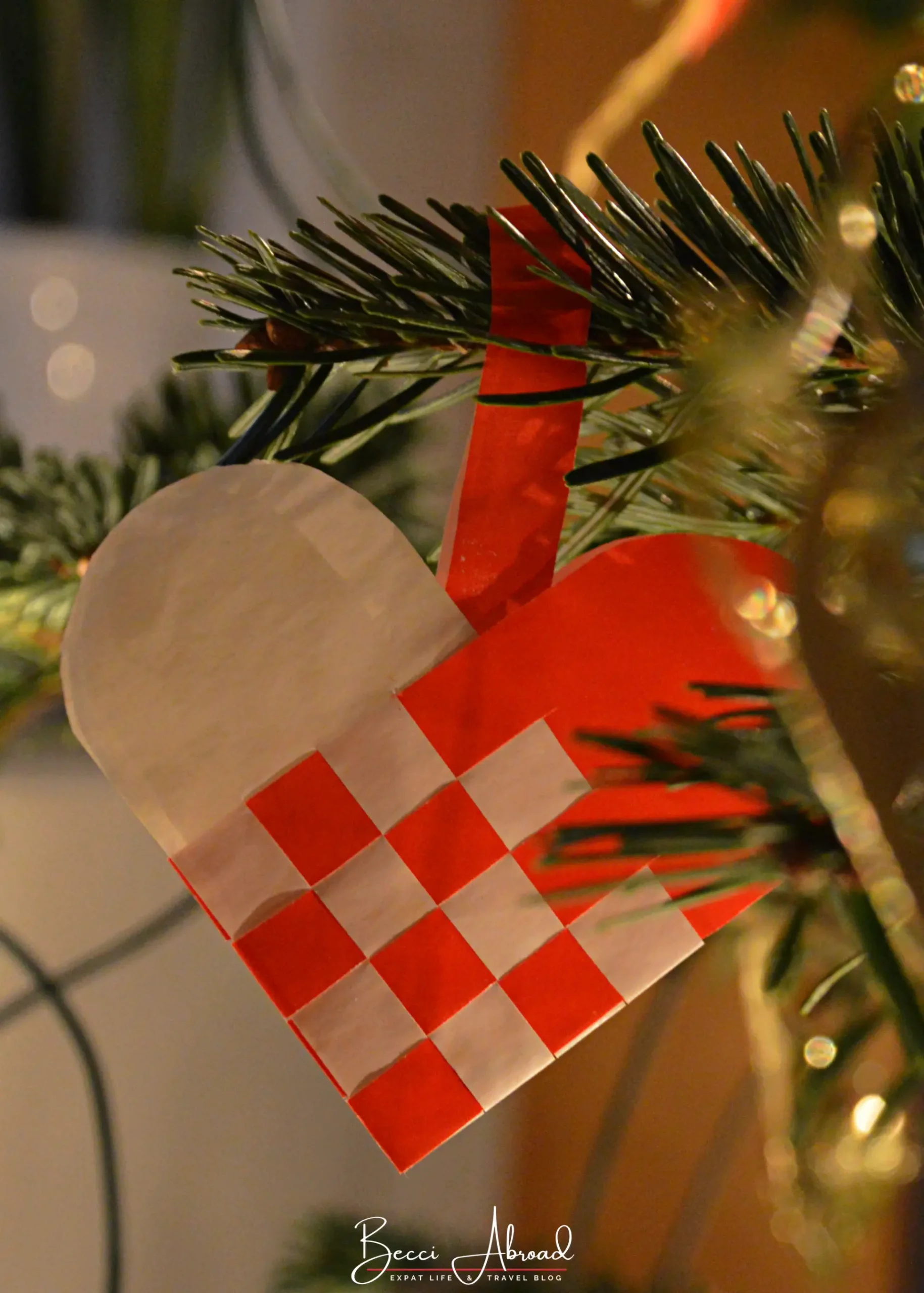
The classic one is the flettet julehjerte, the woven Christmas heart or a pleated Christmas heart, made from two strips of paper interlaced so they form a little basket you can hang on the tree and fill with sweets. You can learn how to make them yourself with this YouTube tutorial from Skandibaking.
The famous Danish author Hans Christian Andersen is credited with the design, which is exactly the kind of detail we Danes love telling foreigners!
Growing up in Denmark, each December my school would organize some sort of julehygge event, including creating your own Christmas decorations and eating a lot of Danish Christmas cookies.
Afterwards, all the kids would help decorate their classrooms with their own home-made Christmas decorations.
In a lot of families the Christmas cutting mostly happens on one specific evening, with everybody around the table, armed with scissors, colored paper and plenty of Christmas sweets. The results go on the Christmas tree no matter how badly they turned out!
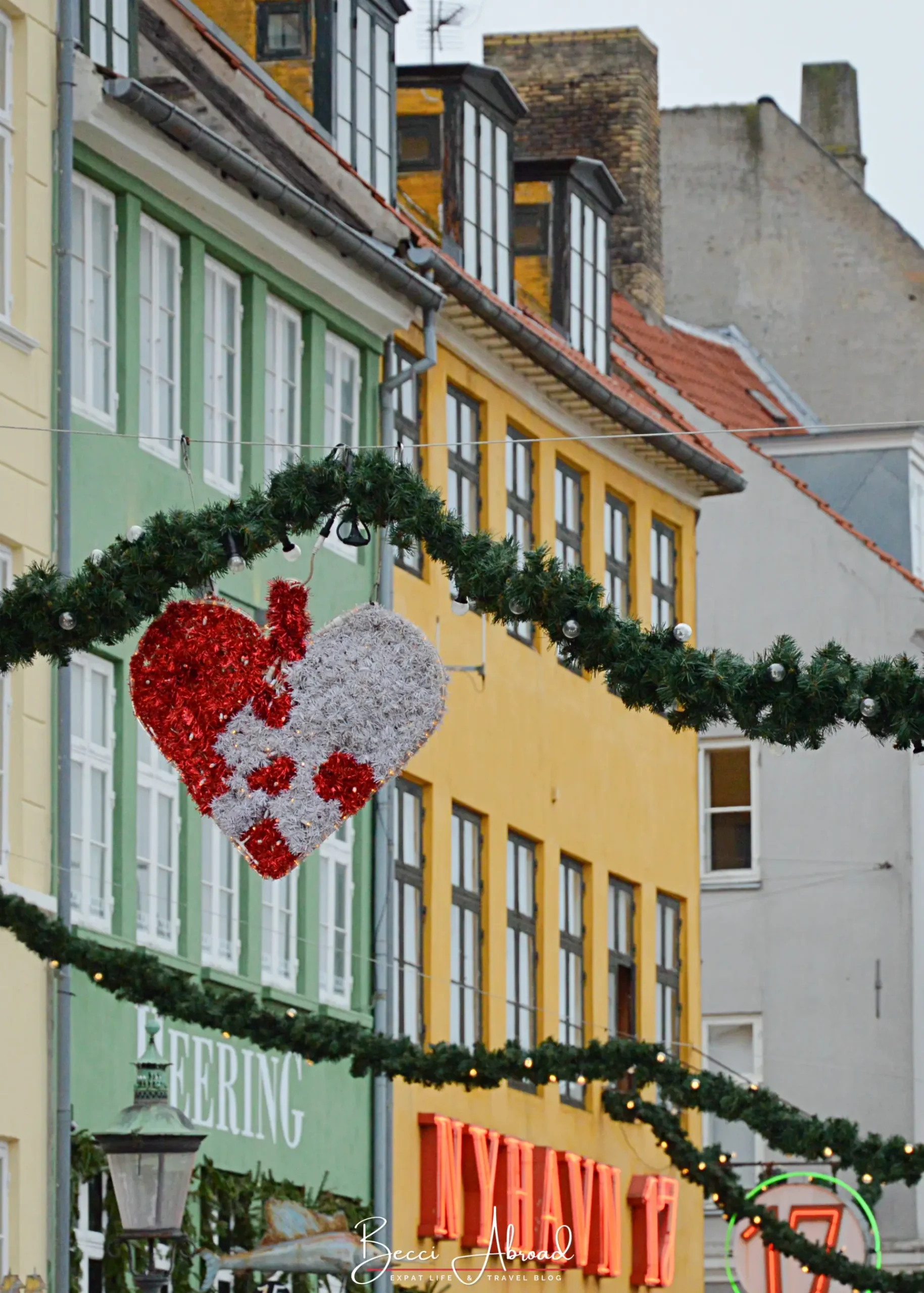
If you’re visiting Denmark at Christmas, you will almost certainly see the woven Christmas heart and other traditional Danish juleklip hanging as decorations in locals’ home or even in restaurants and bars.
Juletræet, Decorating the Danish Christmas tree
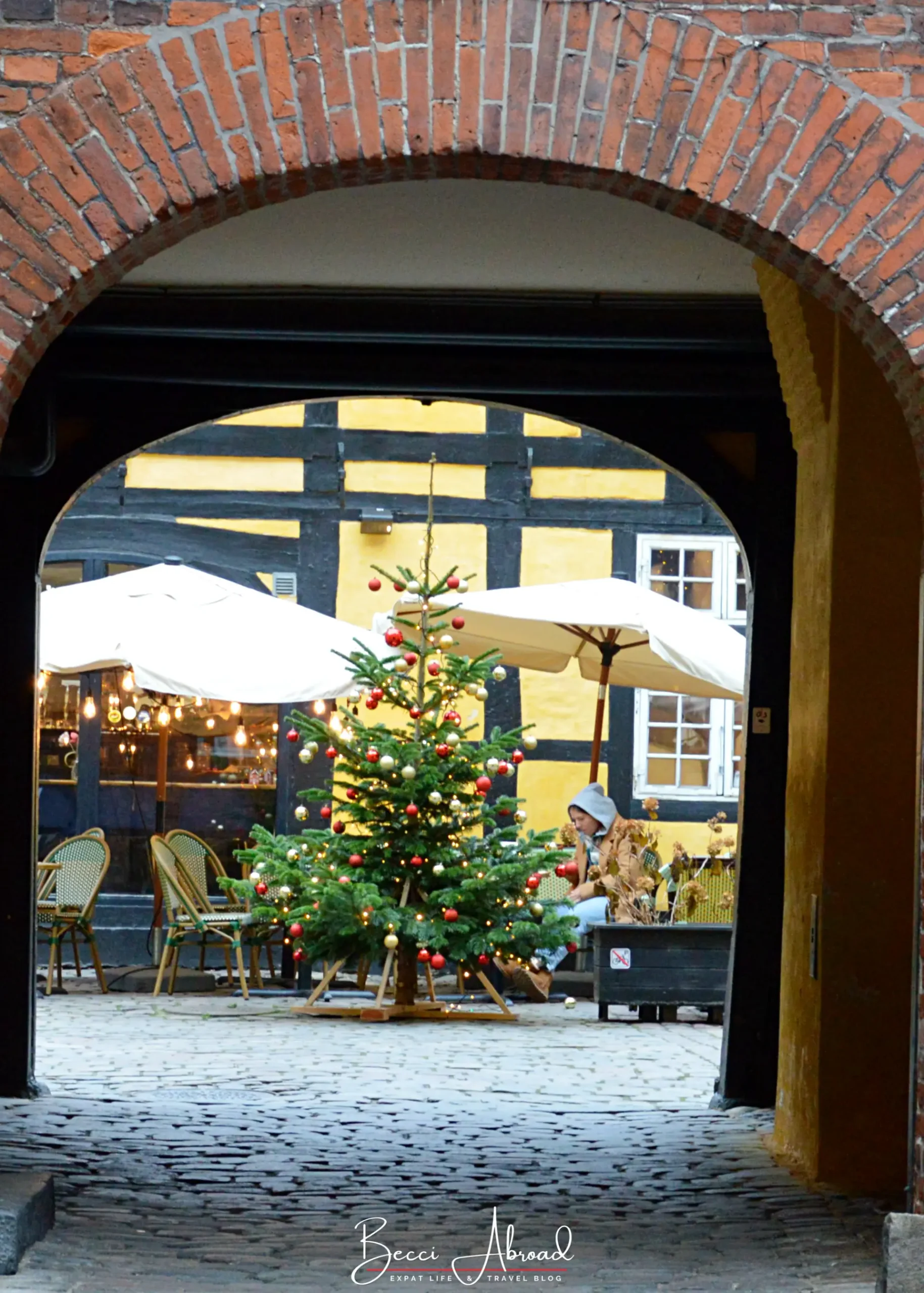
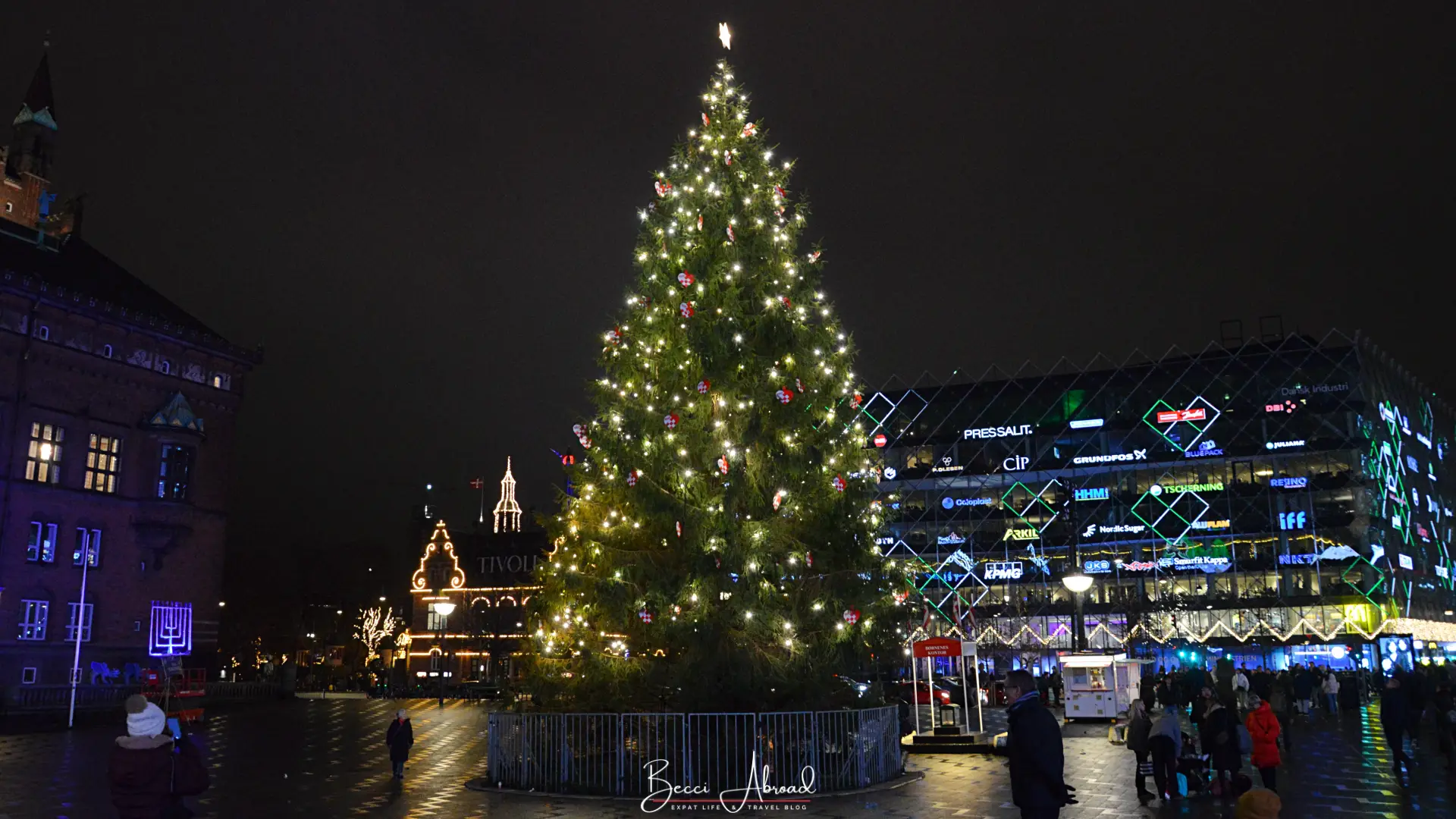
For Christmas in Denmark, most families buy a real Christmas tree and set it up in their living room. It’s very rare to find Danes with a plastic Christmas tree.
The most popular type of Christmas tree in Denmark is a nordmannsgran, or a Nordmann fir, because it holds its needles well and looks beautiful.
Some Danish families even have it as a tradition to go out to special Christmas tree farms and cut down their Christmas tree themselves. My family has never been into this Danish Christmas tradition, but I know some of my Danish friends do this with their children.
Since Danes put freshly cut trees inside their living rooms, the tree doesn’t hold as long, and timing the purchase is a bit of an art. You want the tree up early enough to enjoy it, but still looking good on Christmas Eve. Some would even argue that the Christmas tree at home doesn’t go up until lille juleaften, the 23rd, and could get decorated the same evening.
A Danish Christmas tradition that fewer and fewer Danish families keep up is to put real candles on the Christmas tree. According to Bolius, in 2024, 18% of Danes had only real candles on their Christmas tree, while 21% had both real and electric lights. Meanwhile, 43% had gone fully electric. Unfortunately, I couldn’t find any stats from 2025.
While it does look gorgeous with real candles on the Christmas tree, the whole idea of having candles clipped onto branches of a real Christmas tree inside your own home… Well, it is definitely not ideal from a fire safety point of view!
Luckily, electric lights on the Christmas trees have taken over in a lot of Danish homes.
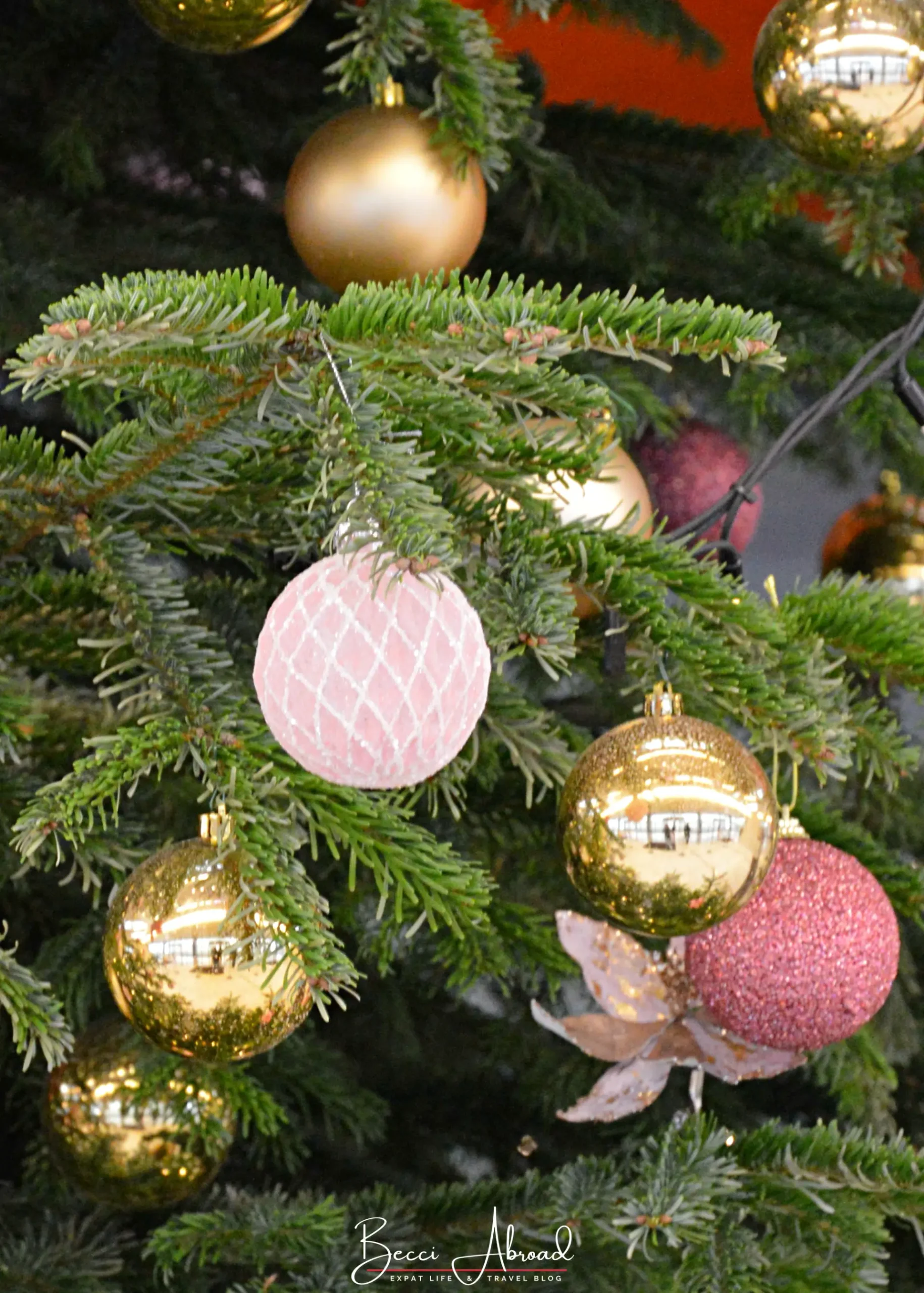
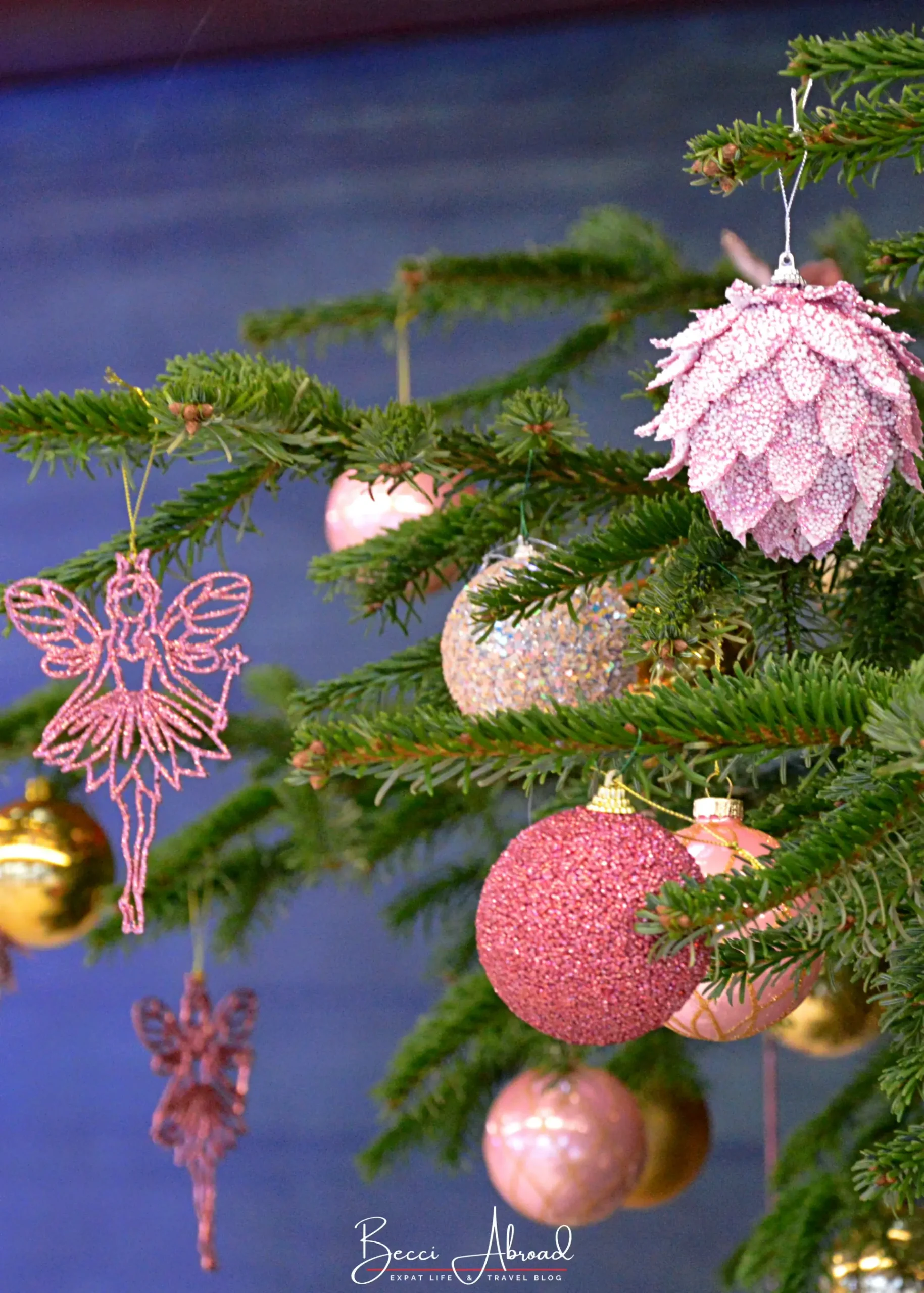
For decorating the Christmas tree, the Danish Christmas tradition is to decorate it with colorful Christmas ornaments together with the Christmas paper decorations you (and your children, mostly) have made during December. The flettet julehjerte (the woven Christmas heart) in particular is a must on any Danish Christmas tree!
Some Danish families even decorate their Christmas tree with small Danish flags, either paper or fabric, strung into long garlands or placed around the tree from top to bottom.
The Danish flag, also called Dannebrog in Danish, and the version used on the Christmas tree is normally a splitflag, the one with the swallow tail.
My family never really did the flag on the Christmas tree as decoration until I moved abroad. One year brought back some fabric Danish flags with me to Argentina for our cross-cultural Danish-Argentinian Christmas.
I can completely understand if you are finding it a bit weird (and a bit patriotic) that Danes put Danish flags on their Christmas trees, and it is for sure a Danish Christmas tradition that surprises many foreigners.
But the story behind why us Danes put flags on our Christmas trees is actually quite interesting.
The Danish Christmas tradition of putting Dannebrog on the Christmas tree arrived in the middle of the 1800s, around the First Schleswig War of 1848, when the national feeling in Denmark was running high.
However, the Danish flags on the Christmas tree really took off after the Danish defeat in Second Schleswig War in 1864, when Denmark lost Schleswig, a large part of the Danish territory at the time.
After the Danish defeat in 1864, celebrating the Danish flag during Christmas was a way for people to hold on to a bit of the pride of being Danish. Under the German occupation (1940 – 1945) under Second World War, the Danish Christmas tradition grew once again, for much the same reason.
Soon this new Danish Christmas tradition was commercialized and you can now buy ready-made garlands of small Danish flags.
So, the flags on a Danish Christmas tree are less a celebration than a very old reflex, and most Danes hanging the flags on their Christmas tree today actually have no idea where the tradition came from.
Nisser, the Danish Christmas Elf
In Denmark during December, you will almost certainly see nisser everywhere!
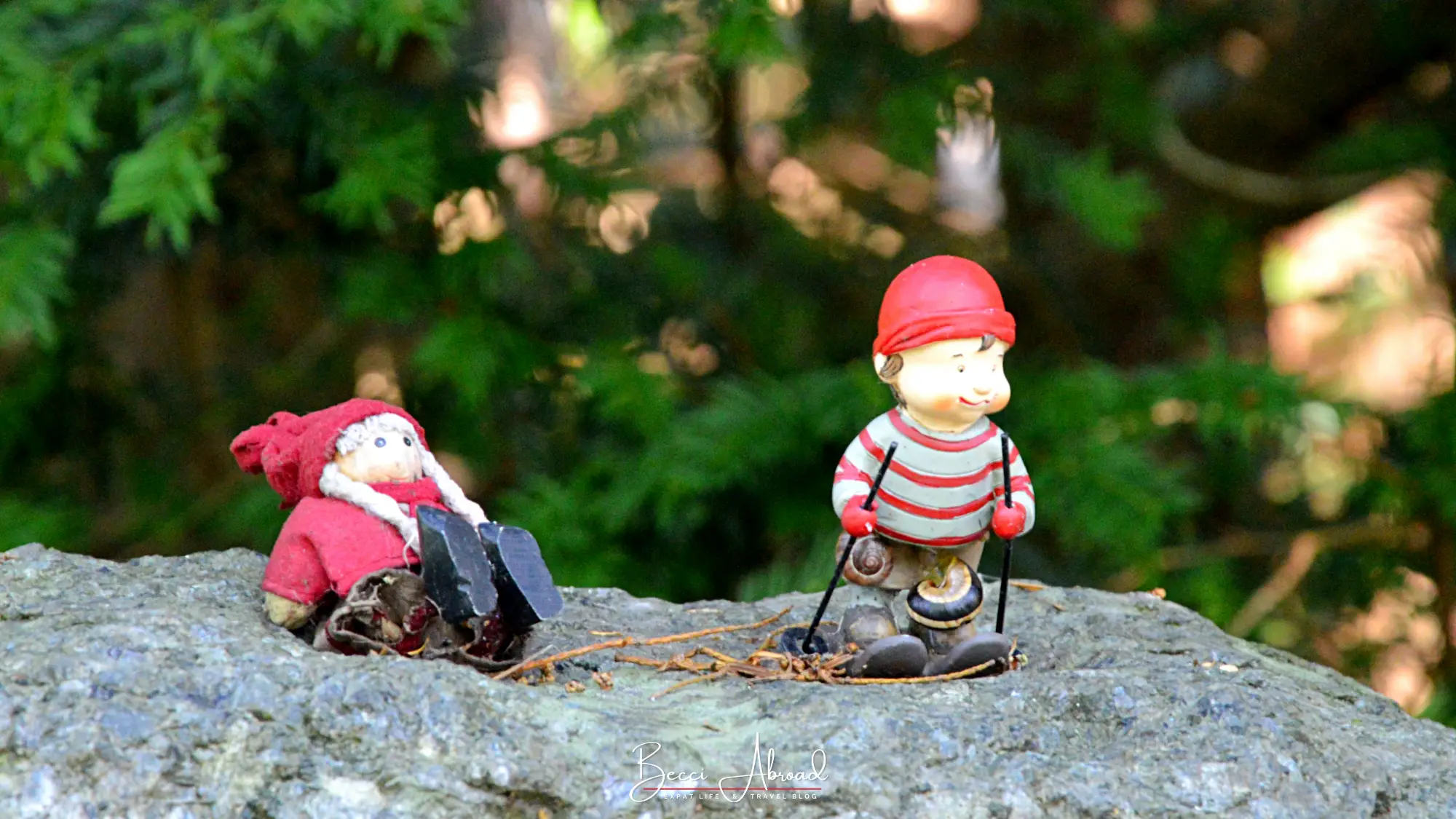
Julenisser, or simply nisser, are small traditional Christmas elves, normally dressed in a small red pointed cap, gray clothes, and with a cheerful face.
The Christmas elves almost look like small Santa Clauses, and they are sold in every shop.
However, despite the cheerful faces on the modern day julenisser, the traditional Danish Christmas elves did not start out cheerful!
According to local Danish legends, the Christmas elf was a household spirit who lived in the barn or the loft of a farm. He did chores, looked after the animals, and brought the farm good fortune, sometimes by stealing hay from the neighbors on your behalf.
But the Christmas elf also had to be respected! If you neglected him he would turn on you, knocking over the milk, souring the cream, killing livestock, or simply leaving and taking the household’s luck with him.
The way you kept him happy was a bowl of porridge with butter on top, left out for him on Christmas Eve. And he checked!
The friendly modern julenisse is a 19th century invention, softened further by the American Santa Claus.
So, when you see a cute little figure on a Danish shelf in December, you are looking at a domesticated version of something that used to be genuinely worth worrying about!
For several years, my friend’s daughter insisted on leaving a bowl of rice porridge out for the nisse, because her dad had told her that otherwise she would get into trouble!
Julemanden, the Danish Santa Claus
In Denmark, Danish children don’t grow up with the idea that their Christmas presents are left in the stockings by somebody coming down the chimney. Instead, Danish children are told that their Christmas presents are brought to them by julemanden.
Julemanden directly translated means “the Christmas man”, and he is the Danish version of Santa Claus.
But it hasn’t always been Santa Claus coming with the Christmas presents in Denmark. Actually, julemanden is a relative newcomer as the gift-giver, and he took the job from somebody else!
Until the late 1800s, the gift-giver in a Danish home at Christmas was the nisse. Yes, the little Christmas elf that lived in the loft, and you had to keep happy by giving him porridge.
The first Danish Santa-like figure appears in a children’s book called Peters Jul (Peter’s Christmas) in 1866, where he is called “Den Gamle Jul”, meaning the old Christmas. In Peters Jul, julemanden did not hand out presents, instead his job was to light the Christmas tree.
Julemanden only became a fixed part of Danish Christmas Eve around 1900, following the international model and inspiration from the U.S.
In Denmark, like in other countries, it also became normal for an adult in the family to put on a Santa Claus costume and play julemand. For several years, as a child, I was convinced that julemanden visited us for Christmas, until I one day realized that it was my grandfather dressing up as Santa Claus (my mum still teases me with this!).
In practice, most Danish families never have julemanden turn up on Christmas Eve at all. The presents simply sit under the tree from the guests arrive until the dancing around the Christmas tree is over. Sometimes the nisser get the credit for helping!
Another fun fact is that most Danish children believe that julemanden lives in Greenland, not the North Pole. Decades of Danish julekalender TV series have helped reinforce the idea that the julemand lives in Greenland.
Today, the Danish julemand looks very much like any other Santa Claus representation around the world.
Julefrokost, the Danish Christmas Lunch
If there is one Danish Christmas tradition that deserves a warning label, it is the julefrokost.
A julefrokost is the Danish Christmas lunch, and the important thing to understand is that Danes do not have one Christmas lunch during December!
Most Danes have several julefrokoster, scattered across December (and sometimes even starting in November and going all the way into January).
The Christmas lunch mostly isn’t so much of a lunch but more of a dinner with colleagues, with old school friends, with the sports club, and other social groups you might have.
The traditional Danish Christmas lunch follows a more or less fixed order: You start with pickled herring and other cold fish. Afterwards, you move on to the hot and cold meats, usually roast pork and meatballs. Then some cheese to wrap up, and finally risalamande for dessert.
Alongside all of this come plenty of snaps, Danish aquavit, drunk cold in small shot glasses with a great deal of toasting!
This is where the reputation comes from. The work julefrokost is famous in Denmark for the things people say at hour six that they very much regret at the Monday morning meeting. Every Dane knows a story, and most of us are in somebody else’s!
I have been to plenty of Christmas lunches while I still lived in Denmark, both during high school with my classmates and while I was active in a Danish political youth organization. Sometimes the food changes a little bit, but snaps is a must in all Danish Christmas lunches.
The Danish Christmas tradition with Christmas lunches is also why every decent restaurant in Denmark is booked solid from the start of December, especially on Thursday, Friday, and Saturday evenings.
If you are visiting Denmark at Christmas, it’s a good idea to book restaurants in the evening well ahead to avoid not having anywhere to eat because of the Danish julefrokoster. You should also keep in mind that Danish Christmas lunch parties can get quite loud.
Pakkeleg, the Present Game
Pakkeleg means “present game”, and almost every Dane plays it at least once each December, usually at a julefrokost.
The present game works like this: everyone brings two to three small wrapped presents, normally with a spending limit agreed beforehand.
All the presents go into a pile in the middle of the table, and then you play for them with dice.
In the first round you take a present from the pile whenever you roll a six, until the pile is empty. So far, so civil…
Then a timer gets set for the second round, and now a six lets you steal a present from somebody else.
The whole thing descends into open theft within about four minutes, and whoever is holding the good present when the timer goes off gets to keep it!
Growing up the pakkeleg was a recurring Christmas tradition when we spent Christmas with my stepfather’s family in Northern Jutland.
Part of the game also became fooling the orthers by packing very small or boring presents (such as kitchen sponges) into very large packages. So, everybody would fight for them in the second round, and the “winner” would feel very fooled.
Julemærket, the Christmas Seal
Julemærket, or the Christmas seal, is a Danish Christmas tradition that Denmark gave to the rest of the world, and that almost nobody outside Denmark knows about!
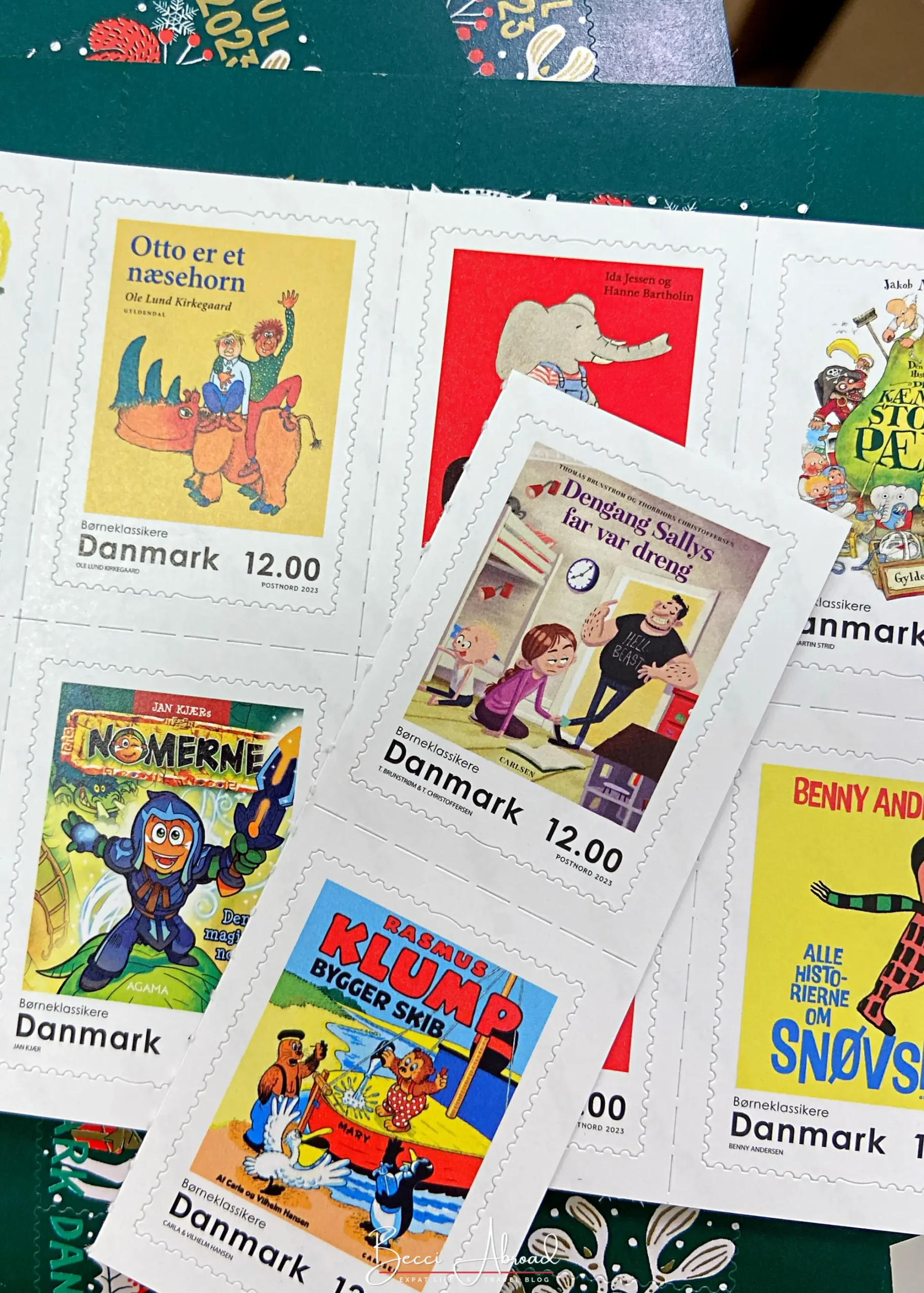
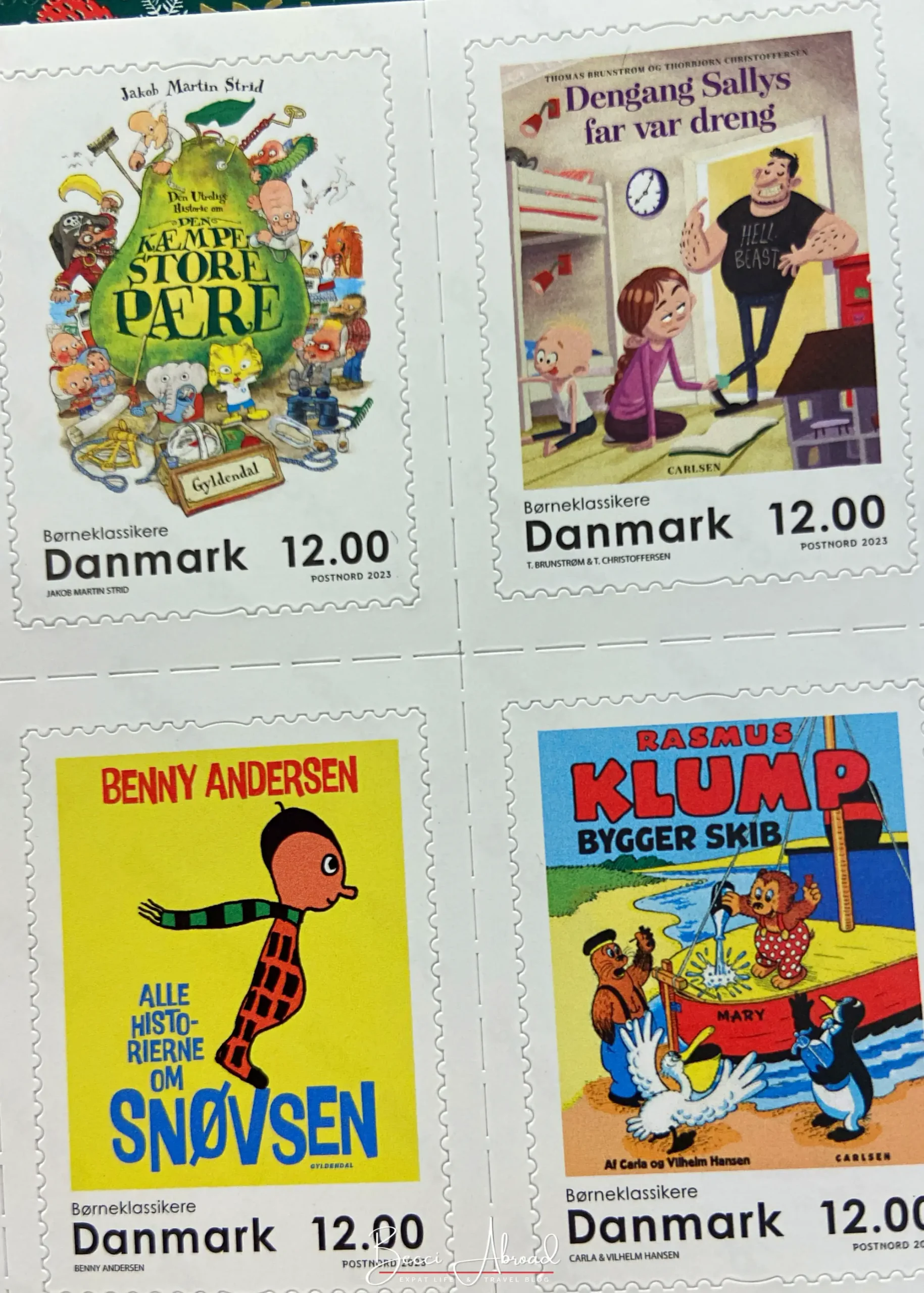
The Christmas seal is a charity seal that you can stick on the envelope next to the real stamp. Each year a new design is chosen for the Christmas seal, and it is sold as an addition or a charity donation, not as an actual postage stamp.
In Denmark, the money collected by the julemærke goes to a julemærkehjem, which are homes run by Julemærkefonden for children dealing with bullying and loneliness. Every year, around 1,000 children stay at a julemærkehjem.
The Danish Christmas seal was invented in 1904 by a Danish postal clerk called Einar Holbøll, who figured that people sending Christmas mail might pay a little extra to help sick children.
The first Christmas seal in Denmark cost 2 øre, the Danish equivalent of two cents, and carried a portrait of Danish Queen Louise.
This was the first Christmas seal anywhere in the world, and the idea has since spread from Denmark around the globe, with approximately 130 countries producing Christmas seals today.
In December 2025, the Danish postal service PostNord delivered its last letters, ending roughly 400 years of Danish post delivery.
While this also meant that all PostNord stamps stopped being valid in 2026, the Christmas seal continues to work!
Instead of being used on letters, locals will still be able to buy Danish Christmas seals to put on their packages and other larger deliveries in Denmark.
Apart from that, the Christmas seal homes, julemærkehjem, supporting vulnerable children in Denmark, have turned into such a large institution in Denmark that they are no longer solely dependent on the funds received by selling the Christmas seal.
Santa Lucia, 13th December
On the 13th of December, Danish children walk in a Luciaoptog, a Santa Lucia procession.
The children dress in long white gowns and walk slowly in a line, each carrying a candle and singing the Santa Lucia song. At the front walks the Lucia bride, wearing a crown of candles on her head.
The Santa Lucia procession usually happens at schools, kindergartens and churches, and in a dark Danish December a line of children carrying real flames through an unlit hall is genuinely beautiful.
Growing up in Denmark, the Santa Lucia procession was hands down one of my favorite Christmas traditions of all!
Santa Lucia is not originally Danish, but came to Denmark from Sweden, where it is a much bigger deal, and it is celebrated across the Nordic countries.
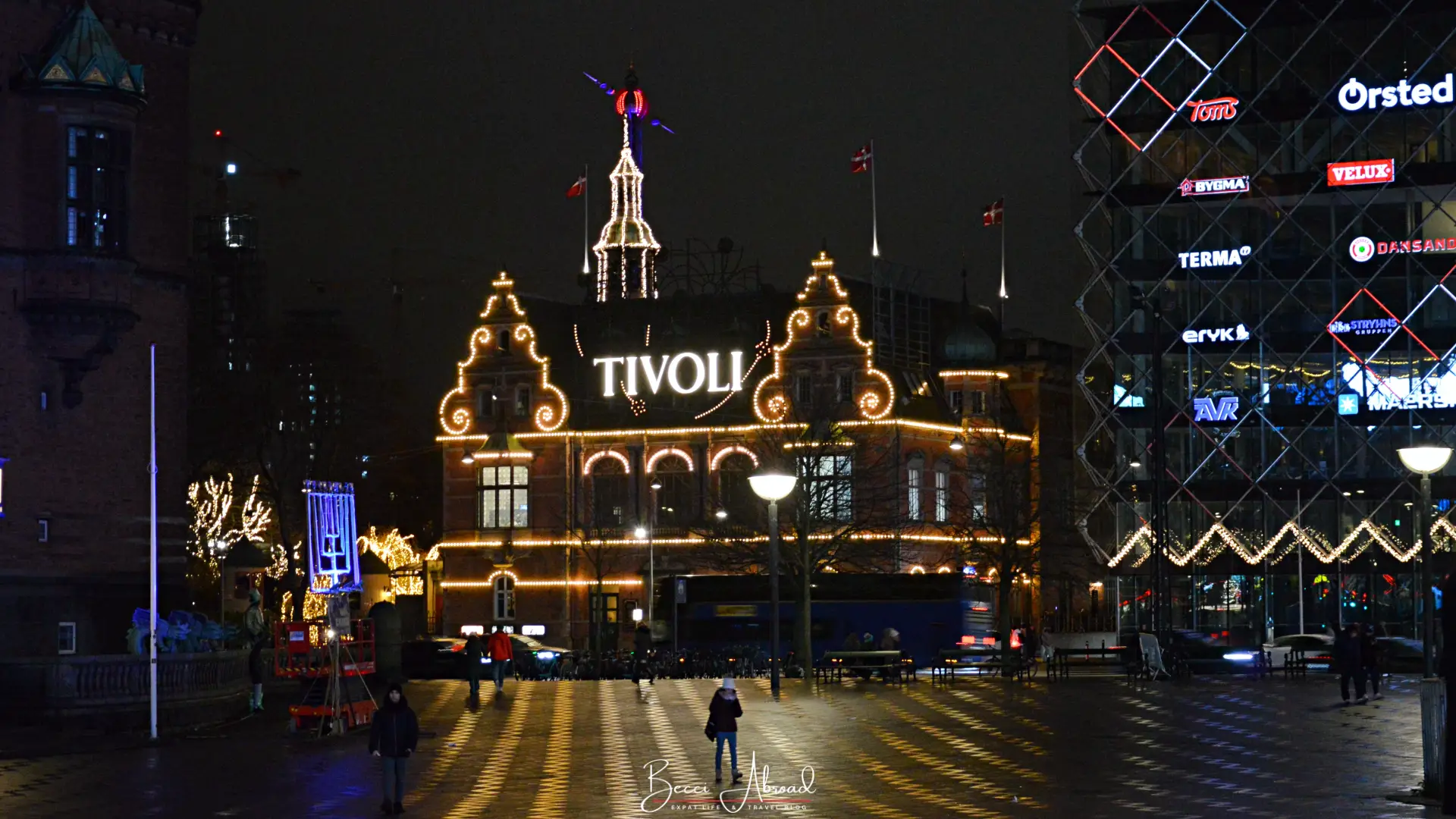
If you’re visiting Copenhagen at Christmas, you can catch a traditional Santa Lucia procession in Tivoli Gardens at 5:30 pm on the 13th of December.
Alternatively, you can also head to the new Christmas tradition in Copenhagen and experience the Kayak Santa Lucia procession through the habor of Copenhagen.
Book your tickets to Tivoli Gardens ahead of time!
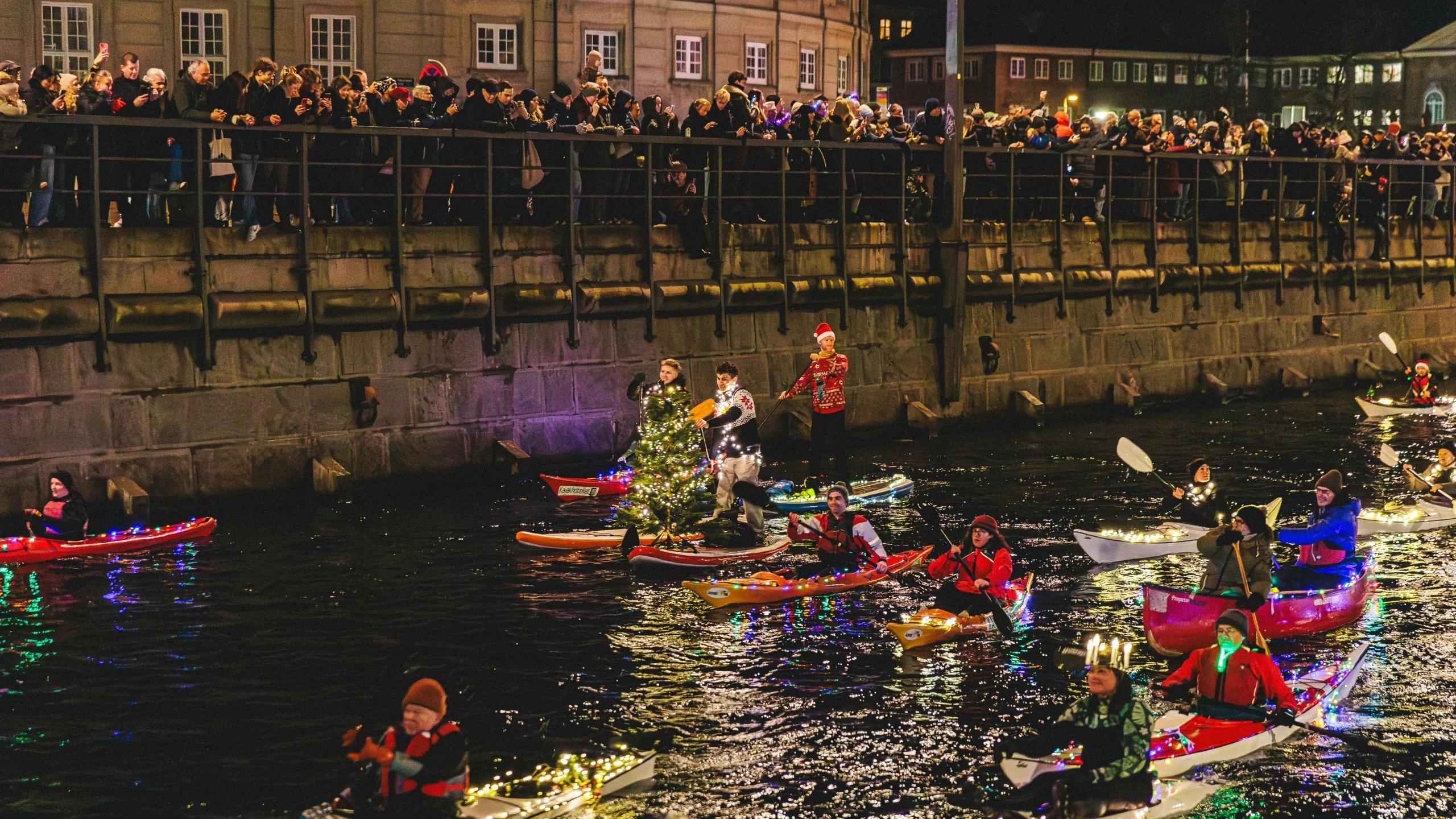
The Kayak Santa Lucia procession in Copenhagen. Photo by heino eisner on Unsplash
Lille Juleaften, the 23rd of December
The 23rd of December has its own name in Danish, and is called lille juleaften, which translates as Little Christmas Eve.
Lille juleaften has no religious meaning in Denmark, but many Danish families use it for meeting up with the part of the family that they might not be spending Christmas Eve with. This is especially true for families with divorced parents, which was my case during most of my childhood.
If you’re not having family members over for a Little Christmas Eve dinner, then the evening is usually used for preparing what can be prepared for the Christmas Eve dinner.
In my family, lille juleaften is usually when risengrød gets made. Risengrød is a warm rice porridge eaten with butter, cinnamon and sugar, and it becomes the next day’s risalamande.
Usually, risengrød becomes the dinner of Little Christmas Eve, so you can use the leftovers for risalamande, and avoids having to cook twice.
Christmas Eve: Hour by Hour
We have looked at how Danes prepare for Christmas all through December and the many different Danish Christmas traditions that take place during this time.
Now let’s look at how Danes generally celebrate Christmas Eve on the 24th of December.
There might be some differences between Danish families as to how they celebrate Christmas Eve, but this is an overall breakdown that I believe applies to most Danish Christmas Eves.
Let’s get started!
4 pm: Disney’s Christmas Show
In many Danish homes, the Christmas Eve celebrations start at 4 pm on the 24th of December by sitting down in front of the TV to watch a Disney cartoon compilation, known as Disney’s Christmas Show.
The Disney’s Christmas Show is called Disneys Juleshow: Fra alle os til alle jer, and it is the Danish version of the Disney special “From All of Us to All of You” from 1958.
The Christmas Show is hosted by Jiminy Cricket, and it is built from the same clips every year, including the one where Pluto and Mickey chop down a Christmas tree.
Disney’s Christmas Show has shown for the first time in Denmark in 1960, since then the show has changed slightly. However, since 1991, Disney’s Christmas Show has been boardcasted on Christmas Eve at 4 pm, and has become a fixed part of many Danes’ Christmas Eve.
And yes, it really is almost exactly the same show each year!
Danish viewers get genuinely upset whenever Disney tries to change anything about it, which is honestly one of the more revealing things about us Danes as a nation…
However, the Disney Christmas Show always ends with a teaser for whichever Disney film is out the following year, and that is the one bit that changes.
Some Danish families go to church in the late afternoon instead, or as well. But since my family isn’t religious at all, we have always stuck with the Disney’s Christmas Show as the best Christmas tradition to start Christmas Eve with!
The Christmas Eve Dinner
The Christmas Eve Dinner in Denmark usually starts relatively early, somewhere around 6 pm.
Most Danish families follow the same tradition for the Christmas Eve meal:
The main course is flæskesteg, roast pork cooked with the rind left on so that it turns into crackling. The crackling itself is called flæskesvær, and it is the most fought-over thing on the table. If it does not crunch properly, the cook hears about it!
Some families eat duck, or andesteg in Danish, instead, and plenty cook both so nobody has to compromise.
Alongside the roast pork or duck come brunede kartofler, or translated as “browned potatoes” or “caramelized potatoes”. These are small boiled potatoes caramelized in melted sugar and butter until they are glossy and golden.
So, the brunede kartofler are not brown because they are burnt (which is what most foreigners assume), but they are brown because they are candied. It might sound weird but for this once-a-year Danish Christmas dinner it absolutely works!
You might also get plain boiled potatoes as not all Danish families are sold on the browned potatoes.
Lastly, another traditional side dish for the Danish Christmas Eve dinner is rødkål, braised red cabbage pickled sweet and sour to cut through all that fat.
Personally, I’m not a big fan of cooked red cabbage, and I would much rather just have fresh red cabbage as a salad to balance all the fat from the rest of the food.
Risalamande and the Almond Game
Risalamande is the most traditional Christmas dessert in Denmark! But it is where the Danish Christmas traditions get a bit strange for outsiders, while still seeming perfectly normal to Danes!
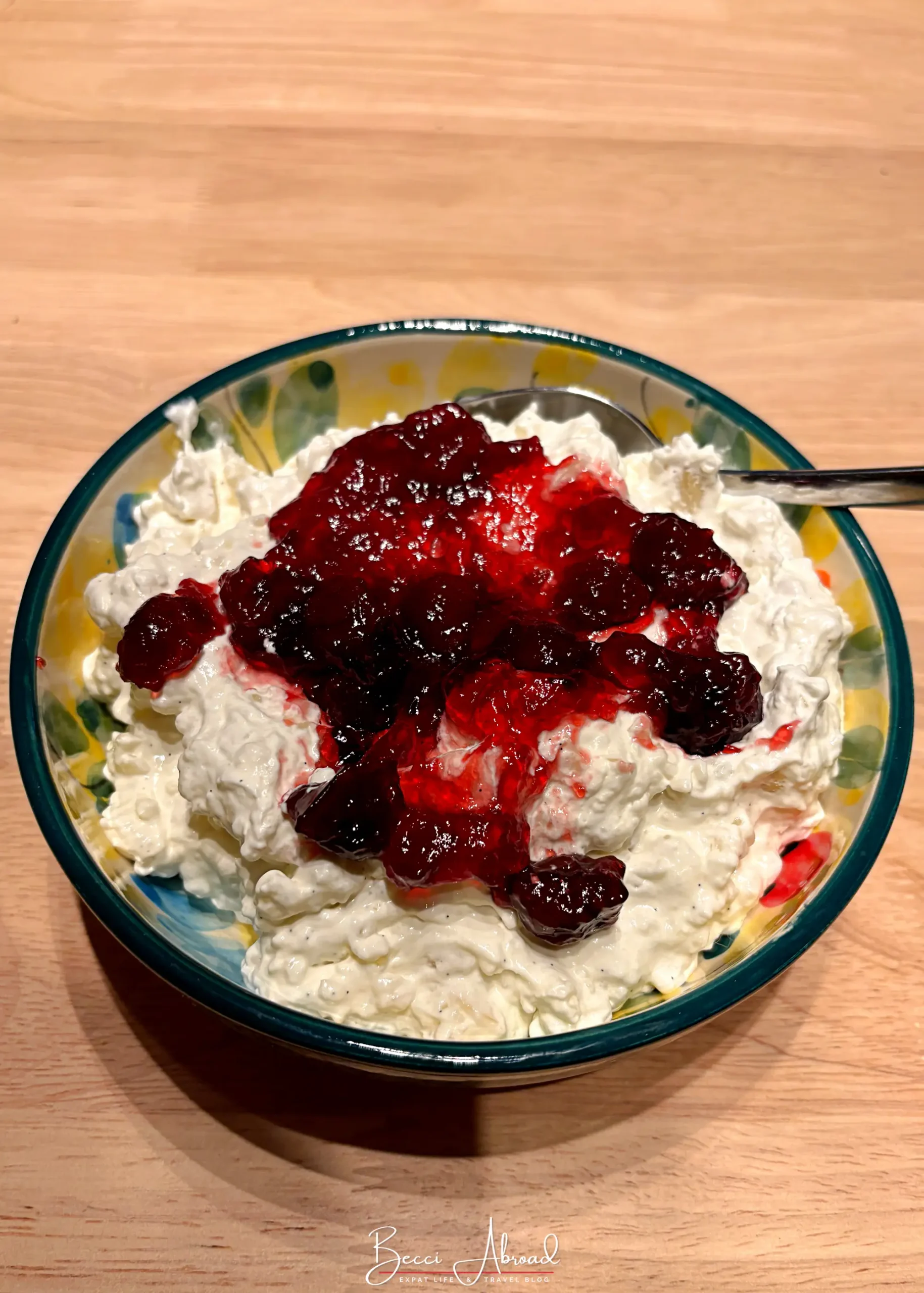
Risalamande is a cold rice pudding (done with the risengrød leftovers) folded together with whipped cream, vanilla and finely chopped almonds, served with a warm cherry sauce.
Until now so far pretty normal, right? But in Denmark, risalamande is not just a dessert! It is a dessert that turns into a family competition!
Before the risalamande is served, one whole peeled almond is hidden in the bowl. Whoever ends up with the whole almond wins the almond present, or in Danish mandelgaven.
In many Danish families, it has become the custom that whoever finds the almond does not say so. Instead you hide the almond and keep a straight face as long as possible, making everybody else keep eating on the hunt for the whole almond!
The almond present is traditionally a marcipangris, a big piece of marzipan shaped like a pig. In some families (like mine) the marcipangris has been exchanged for a box of chocolate or something else.
When I was a kid, my grandmother would do a separate serving of risalamande for me and my cousins with a whole almond in each bowl, so she was sure her grandchildren would always get an almond present. My mum wasn’t too pleased with the practice but my grandmother didn’t seem to care.
That being said, I love risalamande!
I actually think it is my favorite Danish Christmas food, and despite living abroad for many years I still make a bowl of risalamande almost every Christmas.
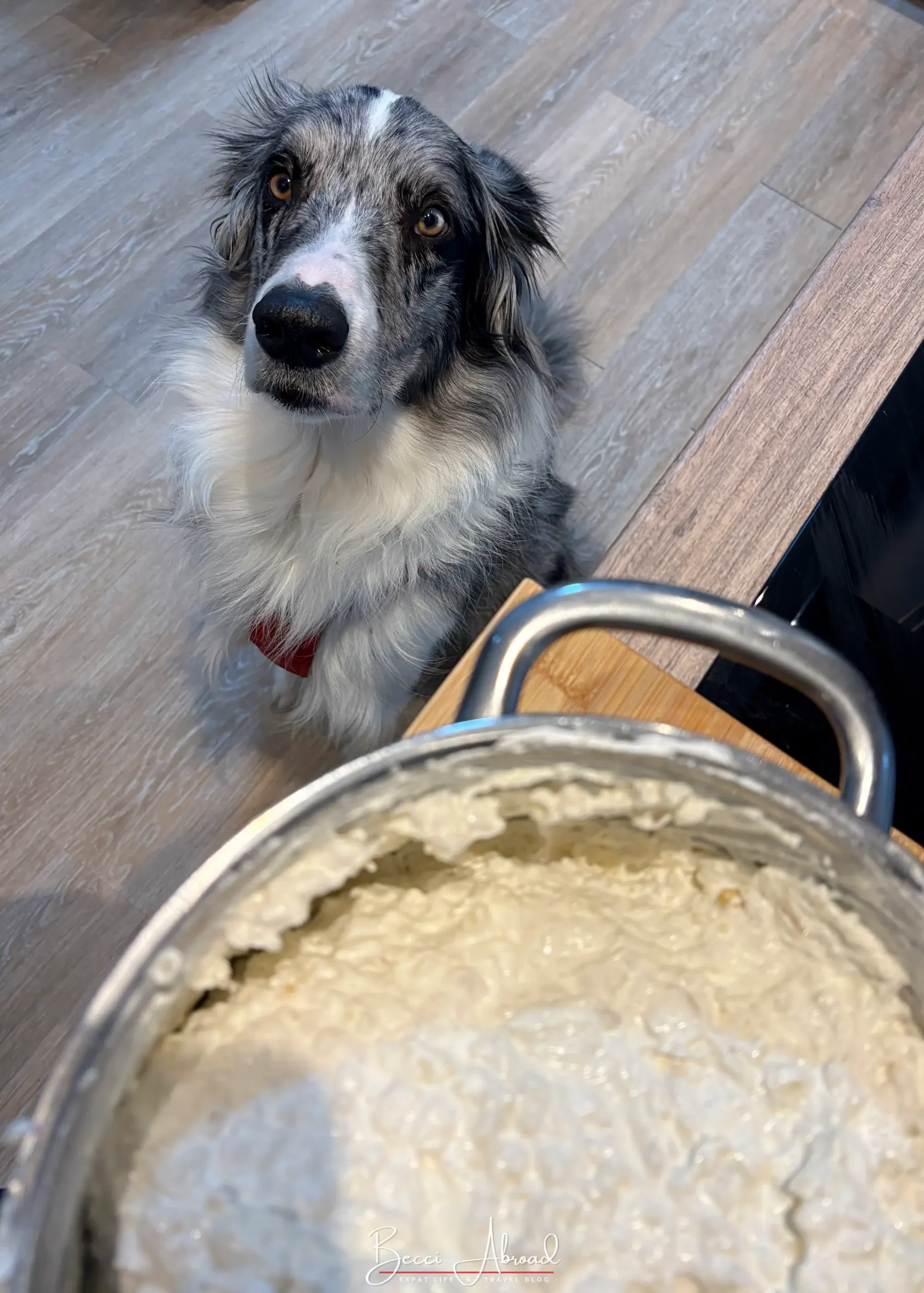
Below you can see the pictures of my dog, Baloo, who has also discovered that he enjoys a little taste of the Danish risalamande.
Dancing Around the Christmas Tree
One Danish Christmas tradition that usually completely confuses foreigners spending Christmas with a Danish family is that we don’t just use the Christmas tree as a pretty decoration!
No, in Denmark we end Christmas Eve with dancing around the Christmas tree!
Sometimes the Christmas tree needs a bit of adjustment and has to be gently moved out of the corner of the living room where it has been standing since it got decorated.
Once the Christmas tree is in position, the whole family holds hands in a circle around the tree and sings traditional Danish Christmas songs.
In my family, the order of the songs didn’t really matter, but the most common thing is to start with the slower Christmas songs such as hymns like Et barn er født i Betlehem (A child is born in Bethlehem) and Højt fra træets grønne top (High Upon the Christmas Tree), and work your way up through the faster and sillier ones.
In some families, the dancing around the Christmas tree would even extend until dancing around the whole house!
The dancing around the house usually begins when somebody starts Nu er det jul igen. The circle breaks, while everybody still holds hands in one long chain, and the chain leaves the living room.
The chain of singing family members goes around the house through the living room, the kitchen, down the hallway and through the bedrooms until it returns to the living room and the Christmas tree.
Growing up, I did not know about this tradition at all. It was only when my mum married my stepfather and we started spending Christmas with his family that I was introduced to this fun and, seen from the outside, very strange Christmas tradition.
Opening the Presents and Danish Christmas Sweets
After dancing around the Christmas tree, we proceed with opening the presents.
Each Danish family does the opening of the presents on Christmas Eve a little bit differently, but I’m used to the Christmas tradition that one person unwraps, while everybody else watches and comments.
Once one person has finished unwrapping and has thanked the person who gave it, that same person fetches the next gift and reads the card of who it’s to and who the present is from.
For a foreigner this can often be the most uncomfortable part of the evening, because you cannot quietly open your gift and put it aside. You have to have a reaction, in front of everybody.
During the unwrapping of the presents, normally the host of the Christmas Eve dinner also brings out different traditional Danish Christmas sweets such as vaniljekranse (vanilla wreath butter cookies), brunkager (Danish gingerbread cookies), pebernødder (pebbernut cookies) and klejner (fried Cookie twists), plus bowls of chocolate, marzipan, nuts and clementines.
This last stretch has no programme and no rules, and it usually runs very late.
And that’s it! That’s how most Danish families celebrate Christmas Eve!
Christmas Glossary: Danish Christmas Words
Here you’ll find the quick overview of some of most usefual Danish Christmas vocabulary for you to know before spending Christmas in Denmark.
|
Danish
|
English translation
|
What it means |
|---|---|---|
|
Adventskrans |
Advent wreath |
Four candles in a spruce wreath. One more is lit on each of the four Sundays of Advent |
|
Æbleskiver |
Pancake balls/puffs (literal translation: apple slices) |
Round pancake balls with powdered sugar and jam. |
|
Brunede kartofler |
browned potatoes |
Small boiled potatoes caramelised in sugar and butter |
|
Brunkager |
Danish gingerbread cookies |
Thin, crisp spiced Christmas cookies |
|
Flæskesteg |
Pork roast |
Roast pork cooked with the rind on, the classic Christmas Eve main course |
|
Flettet julehjerte |
Woven Christmas heart |
Paper heart woven from two strips, hung on the tree and filled with sweets |
|
Glædelig jul |
Merry Christmas |
The greeting. God jul works too and is shorter |
|
Gløgg |
Danish mulled wine |
Danish mulled wine, with Mulled wine made with herbs, raisins and chopped almonds |
|
Juleaften |
Christmas evening |
24 December, the evening Danes actually celebrate |
|
Julebryg |
Christmas beer |
A Danish Christmas beer |
|
Julefrokost |
Christmas lunch |
The Christmas party (not necessarily a lunc), held all through December. Plural julefrokoster |
|
Julehygge |
Christmas coziness |
Usually used for social Christmas events during December |
|
Julekalender |
Christmas calendar |
Can mean both an advent calendar and the 24-episode Christmas TV series |
|
Juleklip |
Christmas cutting |
Making paper Christmas decorations by hand |
|
Julemærke |
Christmas seal |
The charity seal stuck beside the stamp, a Danish invention from 1904 |
|
Julenisse / nisse |
Christmas elf |
Originally a farm spirit, now the Christmas elf. Plural nisser |
|
Juletræ |
Christmas tree |
|
|
Kalenderlys |
Calendar candle |
Candle marked 1 to 24, burned down one number a day |
|
Lille juleaften |
Little Christmas Eve |
The 23th of December |
|
mandelgave |
Almond present |
The prize for finding the whole almond in the risalamande |
|
Pakkekalender |
Present calendar |
Advent calendar made of 24 small wrapped gifts |
|
Pakkeleg |
Present game |
The dice game where you end up stealing each other’s presents |
|
Pebernødder |
Pepper nuts |
Tradition Danish Christmas cookies which are tiny, hard, spiced biscuits |
|
Risalamande |
Cold rice pudding with whipped cream, almonds and cherry sauce. The name comes from the French riz à l’amande |
|
|
Risengrød |
Rice porridge |
Warm rice porridge and a very traditional Christmas dish in Denmark. |
|
Rødkål |
Red cabbage |
Pickled sweet and sour, served with the roast to cut the fat |
|
Snaps |
Danish aquavit, especially popular to drink at julefrokost (Christmas lunches) |
|
|
Vaniljekranse |
Vanilla wreaths |
Ring-shaped vanilla butter cookies |
Danish Christmas Traditions FAQ
Find answers to commonly asked questions about Danish Christmas traditions and how to celebrate Christmas in Denmark.
Final Thoughts: What Makes Danish Christmas Different?
What makes Danish Christmas different is that almost none of it is public. There is no midnight mass everybody goes to, no big town square moment, no street procession.
Danish Christmas happens on one evening, behind a front door, in a living room lit by candles, in an order of events everybody in the room already knows by heart.
Apart from that, there are so many other small weird Danish Christmas traditions that take place during December (and even at the end of November) that all Danes know by heart and sometimes forget are very unique and particular to Christmas in Denmark.
Growing up in Denmark, I could not see any of it! It took celebrating Christmas in +30 degrees in Buenos Aires, and then in Spain, before I understood that burning a candle by numbers and hiding an almond in the pudding is not what everybody does.
If you are planning to be in Denmark in December and want to see some of this for yourself, I have written a separate guide to the best things to do in Copenhagen at Christmas.
Have you celebrated a Danish Christmas, or are you about to? I would love to hear your experience with Danish Christmas traditions and Christmas in Denmark! Share your thoughts and questions in the comments below!