Travel Guide
Spain
An expat’s complete guide to visiting Spain built on years of actually living here, in Granada, Barcelona, and now just outside Madrid.

An expat’s complete guide to visiting Spain built on years of actually living here, in Granada, Barcelona, and now just outside Madrid.
Spain does something to people. You arrive for a week, and somehow, years later, you are still here – or at the very least, planning your next visit.
I know, because that is exactly what happened to me!
I first moved to Spain in 2011 and lived in Granada in Southern Spain. I spent two years in Barcelona, and in 2025, my husband, our dog, and I moved to a small town just outside Madrid.
At this point, Spain is less a destination and more just… home.
This guide is built on years of living here, travelling around the country, and learning what standard guidebooks do not always tell you about Spain.
Think of it as a one-stop overview of everything you need to plan a trip, with links to my detailed destination guides for when you are ready to go deeper.
Jump around the sections however you like, and dip into my additional Spain resources whenever you want to go deeper.
Disclosure: Some of the links below are affiliate links. This means that at no additional cost to you, Becci Abroad will earn a commission if you purchase through one of those links. This helps to pay the bills and the maintenance of the site.
Explore my detailed posts about Spain to help you plan your trip and get under the skin of Spain!

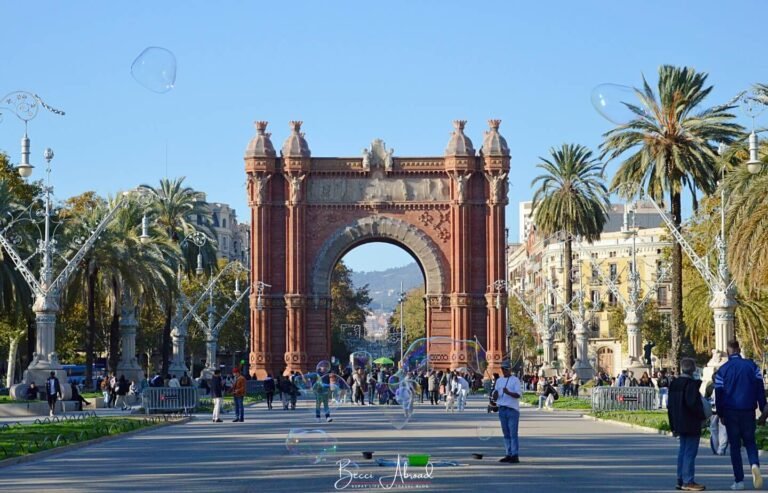
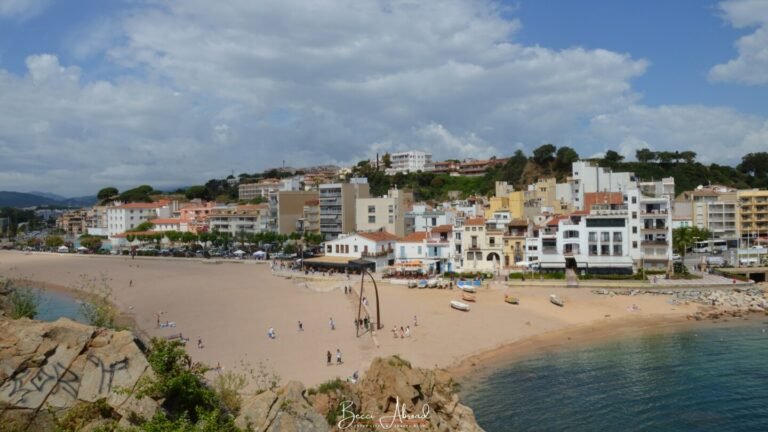
Spain is not one destination, but many destinations rolled into one country.
In Spain, you’ll find everything from world-class cities, Moorish architecture, volcanic islands, green coastlines, and plenty of hidden gems and cute villages throughout the country.
The pace of life in Spain might feel very different from what you’re used to back home: dinners happen late in the evening, local shops close at midday, and locals have hours-long conversations over a single coffee (or a beer) in the outdoor seating of a restaurant or bar.
Spain has a bit of a reputation, especially in Scandinavia, of just being a place for beach holidays in the summer!
But Spain has so much more to offer, and if you allow yourself to get under the skin of Spain, I’m sure you will be geniously surprised with how much variety it packs into one place.
Spain offers world-class cities like Madrid and Barcelona with plenty of art museums and beautiful architecture.
You have Andalusia in the south, where flamenco, Moorish architecture, and some of the best food in Europe collide.
You have the beaches of the Costa del Sol, the dramatic landscapes of the Canary Islands, the green hills of Galicia, and the culinary obsession of the Basque Country.
Spain is not one destination, it is many destinations rolled into one country. And that’s why you should visit SpaiN!
The short answer is that Spanish is the official language in Spain.
The longer and much more interesting answer is that Spain has five official languages, and which one you hear depends entirely on the part of Spain you visit.
Spanish, or castellano, is the official language of the whole country and is spoken everywhere.
If you learned Spanish at school, or in an app, you will be understood in most parts of Spain.
But Spain is not a linguistically uniform place, and pretending otherwise is one of the fastest ways to look like you have not done your homework before travelling to Spain.
Four regions have a second official language alongside Spanish, and roughly four out of ten people in Spain live in one of them.
You may also come across Asturian in Asturias and Aragonese in parts of Aragón. Neither is co-official, but both are alive and protected.
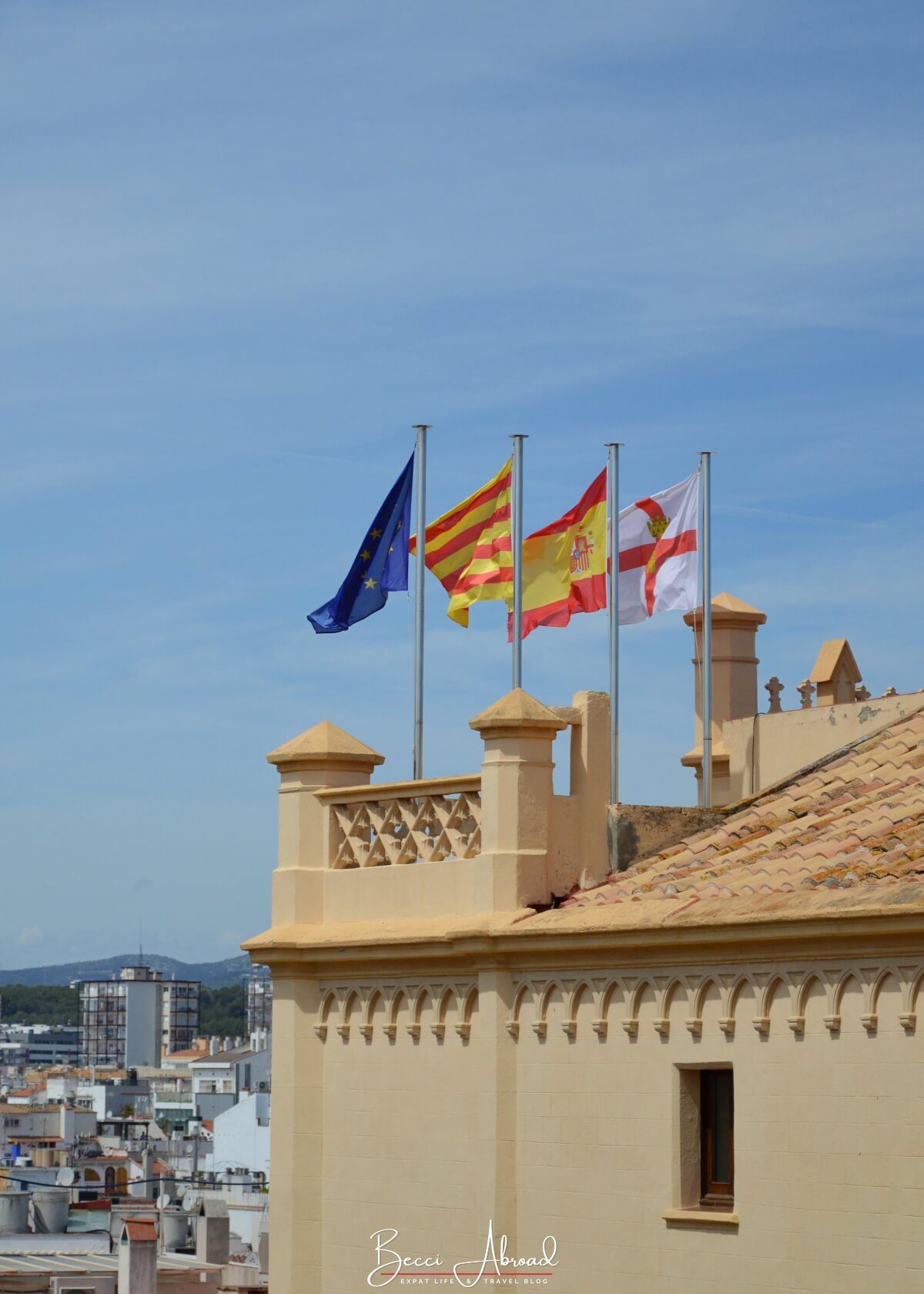
English is spoken less in Spain than most visitors expect, and I generally recommend that you learn a few sentences of Spanish before you visit Spain!
In the tourist areas and around hotels, big-city restaurants, museums, and airports, English is widely spoken, and you will manage without a word of Spanish.
But if you step outside the safe tourist bubble, the reality changes fast!
In a neighbourhood bar in Madrid, a bus station in Andalusia, a pharmacy in a small town, or basically anywhere that does not have a menu in four languages, you should not assume English.
Spain’s English proficiency is noticeably lower than in other parts of Europe, and older generations in particular were simply never taught it.
This is not a complaint; it is just the reality, so learning just a few words of Spanish can get you a long way!
This is the heart of any Spain trip plan: figuring out where to actually go.
Spain has 17 autonomous communities, each with its own identity, landscape and, in some cases, its own language. Where you go really depends on what kind of trip you are after.
Below is an overview of Spain’s main destinations and what type of trip they are best for:
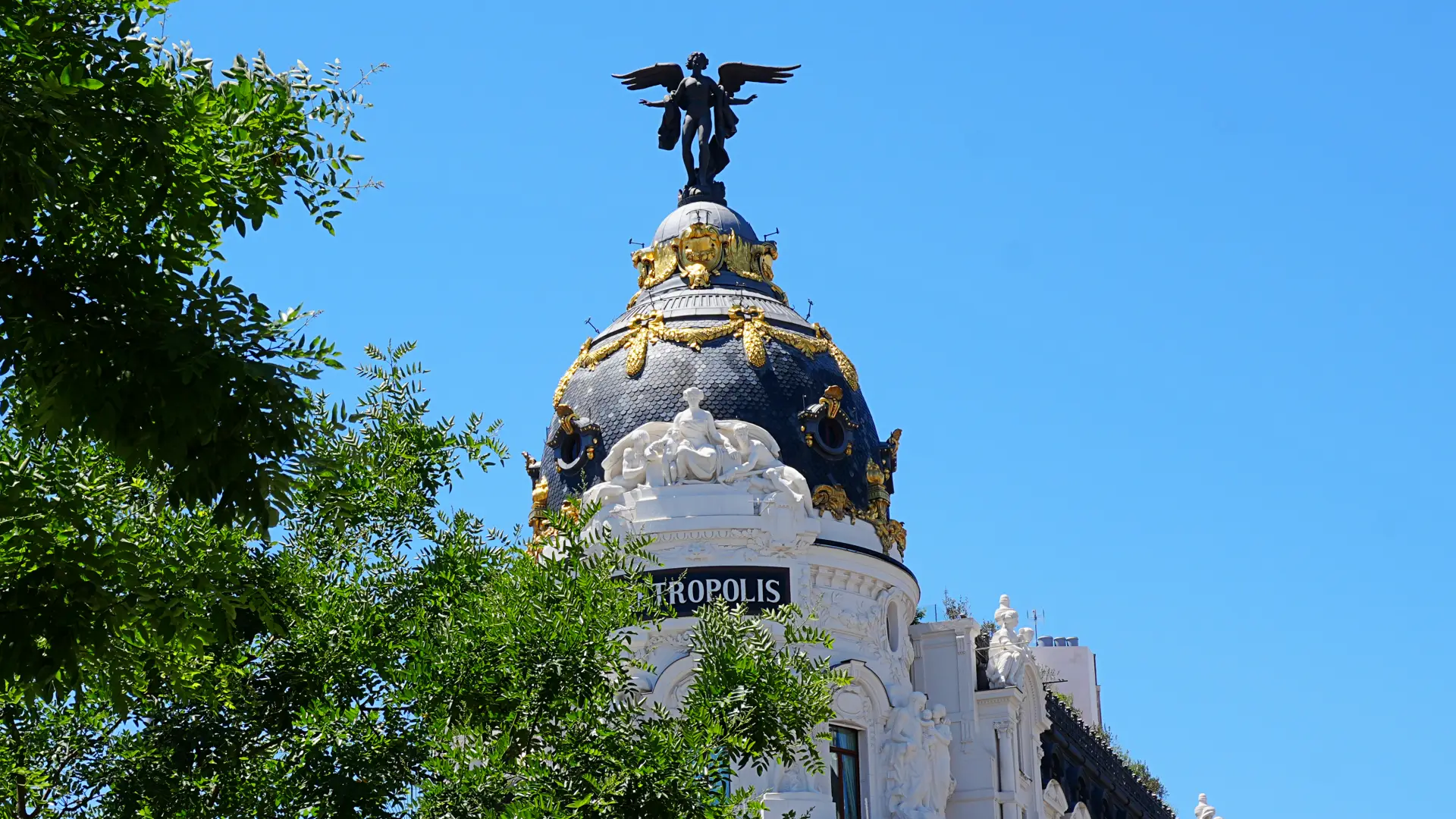
Spain’s capital and beating heart with world-class museums, late-night tapas, beautiful parks, and the best big city vibes. If you are flying in from abroad, there is a good chance you land in Madrid. Currently where I call home.
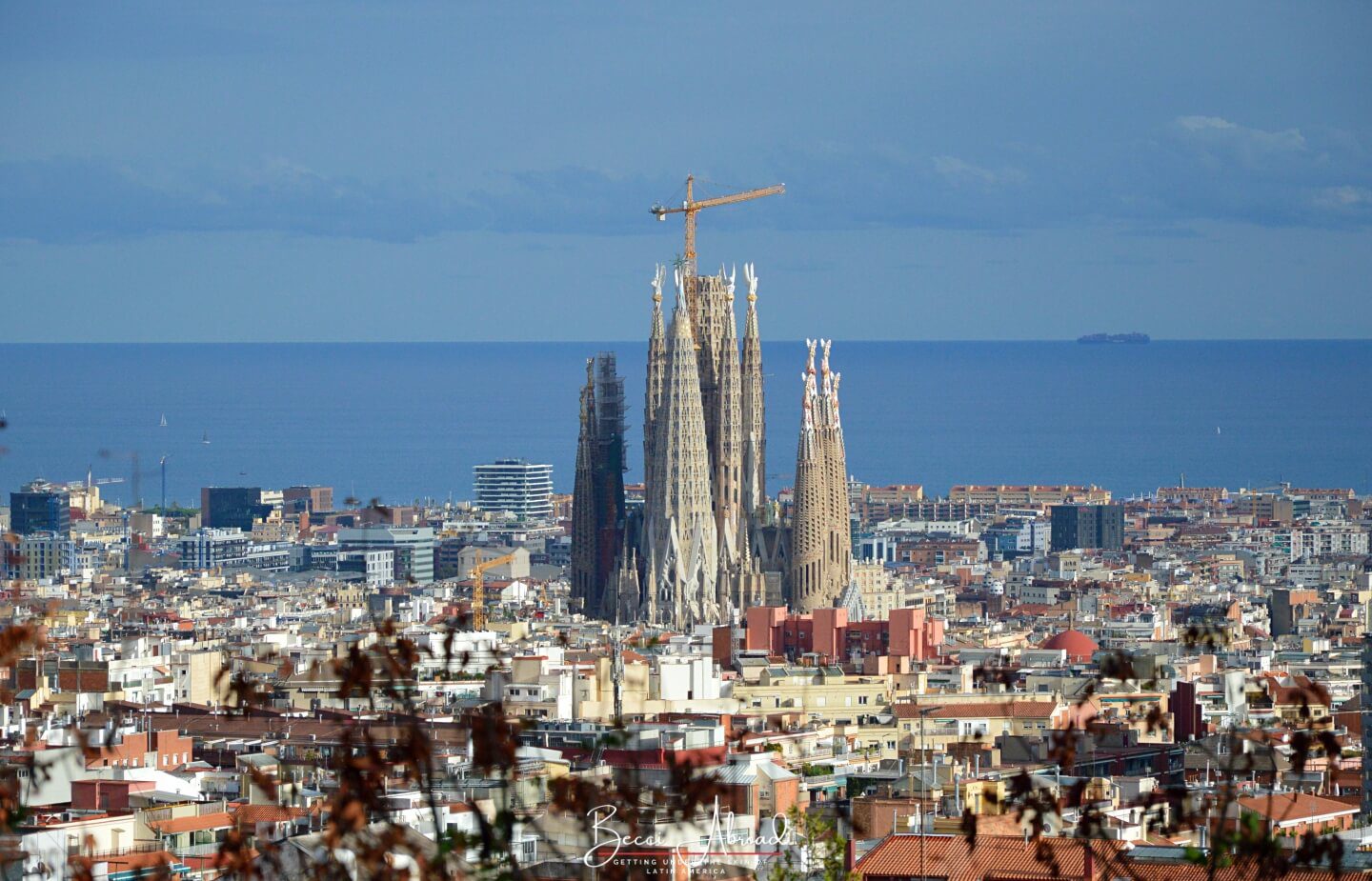
Spain’s second biggest city and one of the most visited in all of Europe. Enjoy gorgeous modernist architecture, the Mediterranean coastline, and the unique Catalan culture. I spent two years living here.
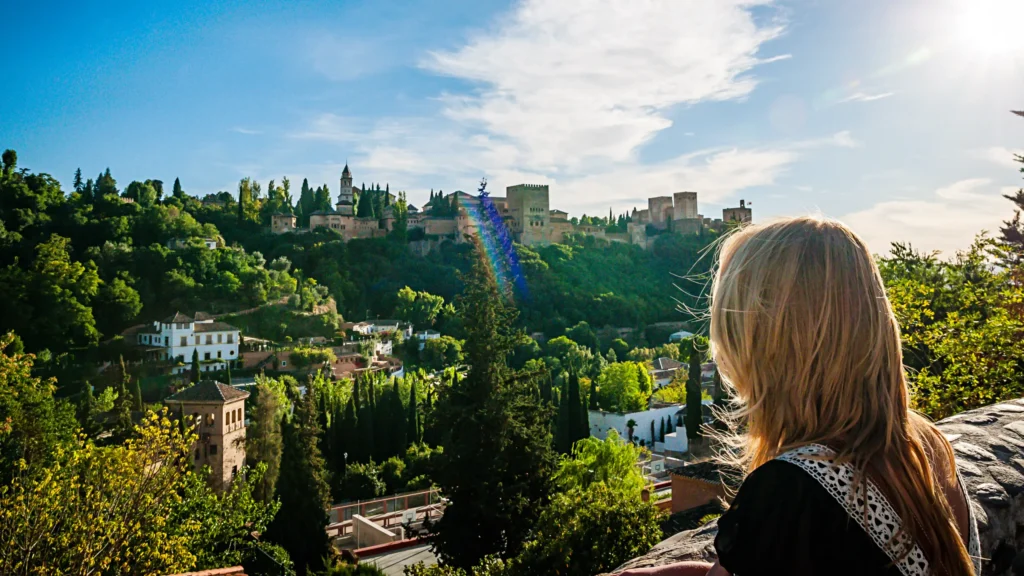
The postcard of Spain with whitewashed villages, flamenco bars, and the wonders of the Alhambra Palace in Granada, the Mezquita in Cordoba, and the Santa Cruz neighborhood in Seville. I lived in Granada for a year in my early 20s.
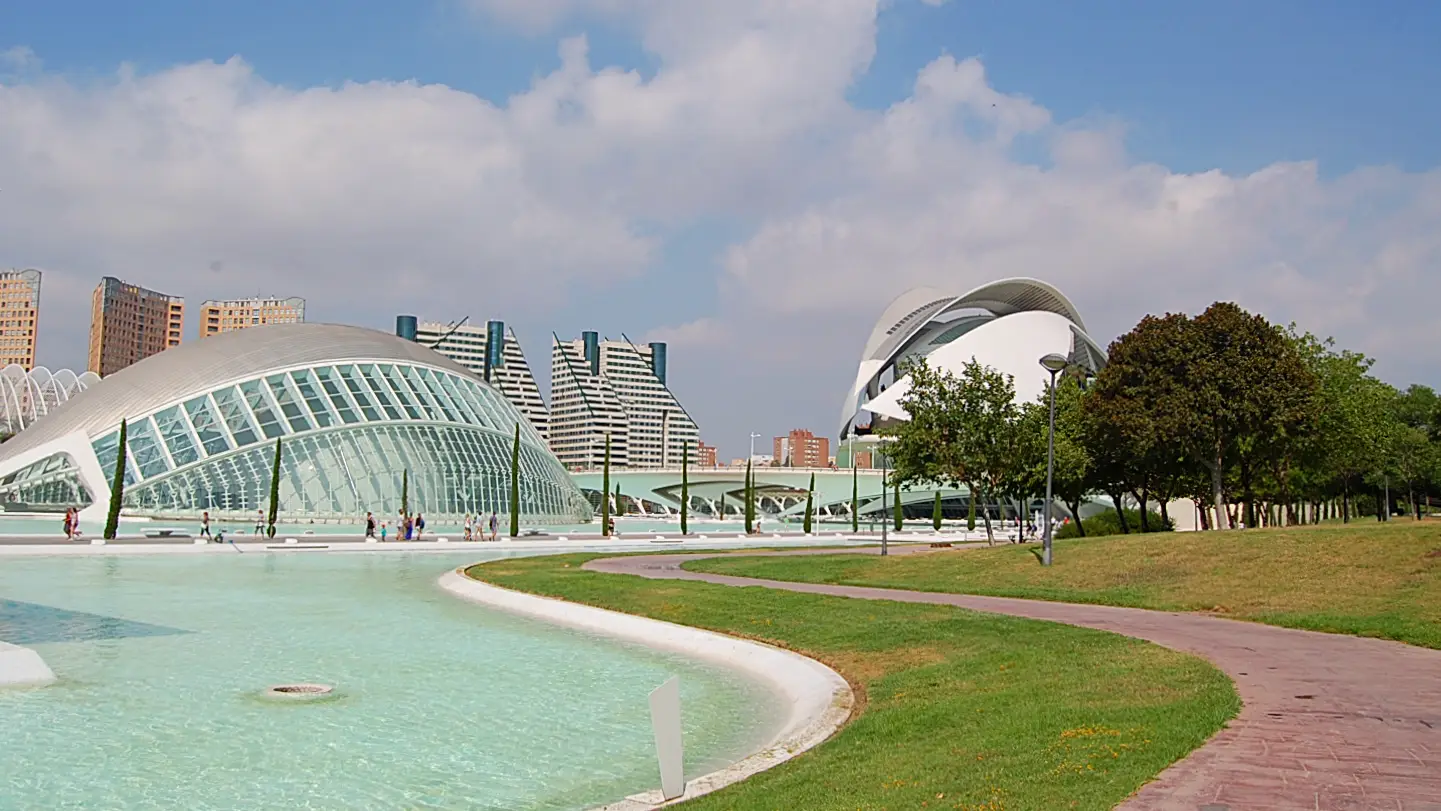
Spain’s third-largest city and the birthplace of the popular Spanish dish, Paella. Valencia offers the futuristic City of Arts and Sciences along with a charming old town and a beach right by the city. Less crowded than Barcelona.
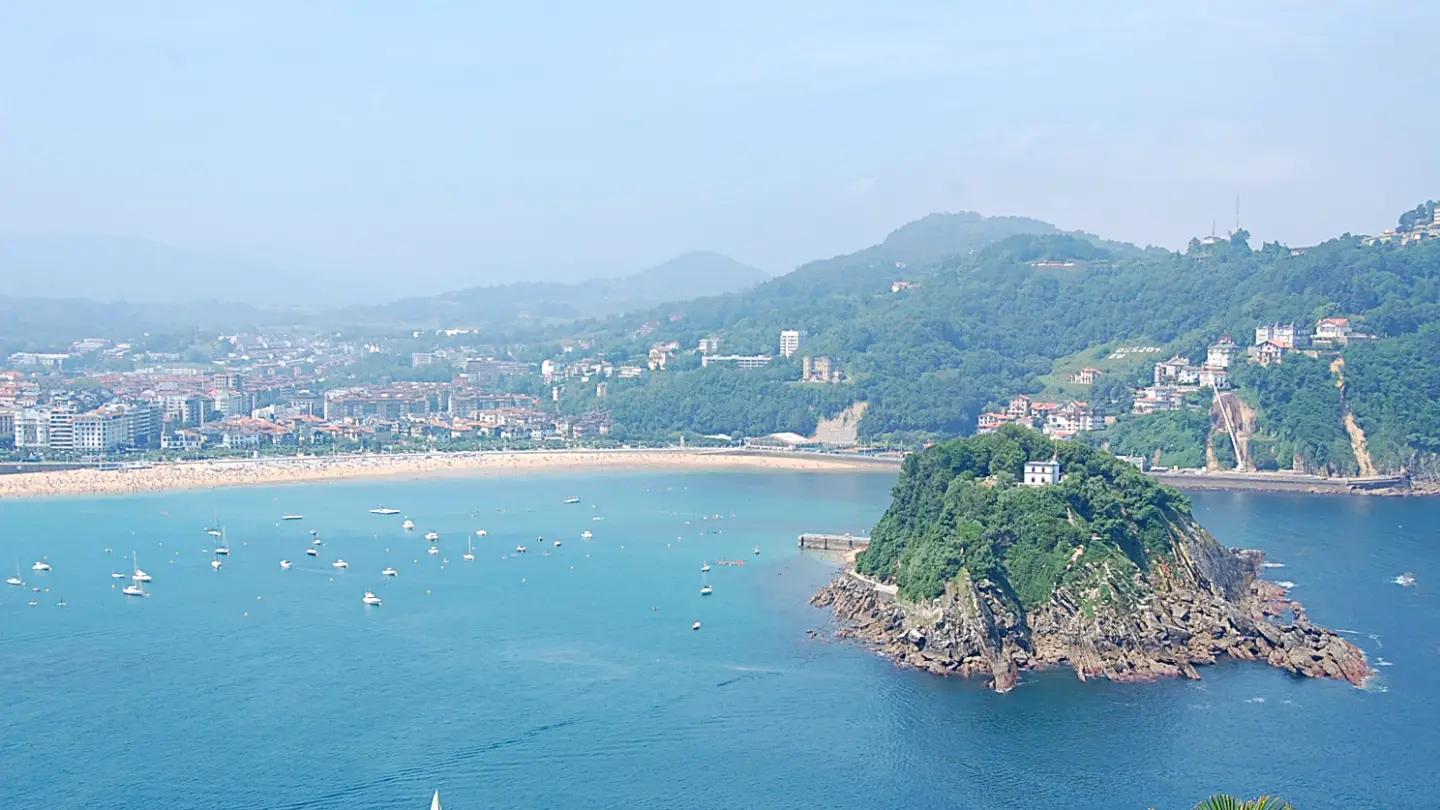
The Basque Country offers world-class gastronomy in San Sebastian, spectacular art in Bilbao, and unique nature along the coastline.
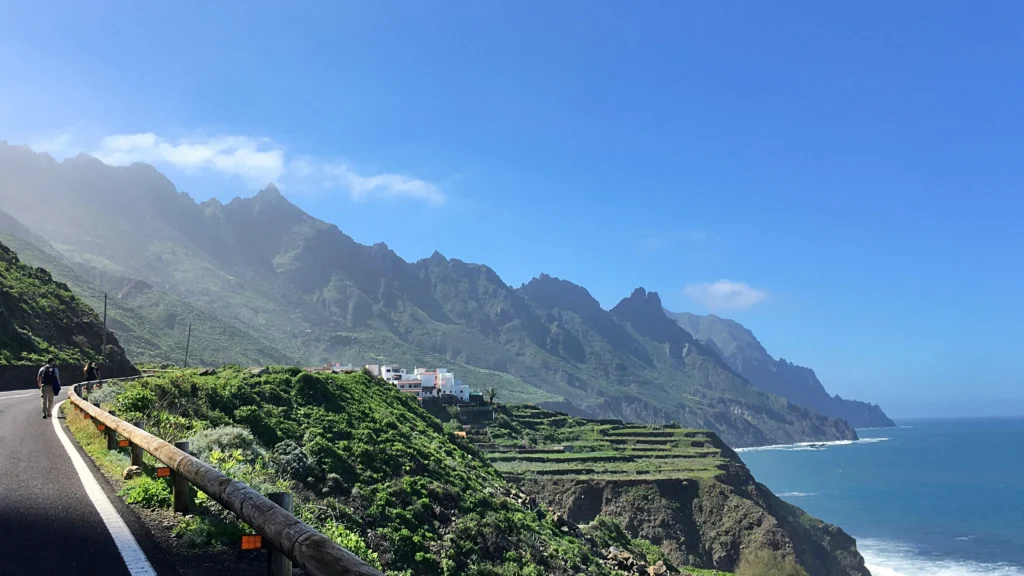
The Canary Islands (Tenerife, Gran Canaria, Lanzarote) are a remote part of Spain sitting off the coast of northwest Africa with a warm and sunny climate year-round.
Spain is a year-round destination, but the best time really depends on where you are going and what you want to do.
The shoulder season (spring and autumn) is my personal favourite.
The weather is warm but not brutal, making it easier to do outdoor activities. Spring brings blooming flowers and orange trees and beautiful green hills in most of the country. There are fewer crowds, and it will be easier to get entrance tickets to popular attractions.
15–25°
Best time for beach holidays, but not ideal for city breaks. Inland cities like Madrid and Seville are unbearably hot during the day. The summer in Spain is best for trips to Costa Brava and Costa del Sol. Do book well in advance as this is peak season.
30–45°
The autumn weather in Spain brings warm days but cooler evenings and a higher likelihood of rain. There are fewer crowds, and it will be easier to get entrance tickets to popular attractions. September is generally the best sweet spot between summer and winter.
20–28°
The weather changes a lot depending region; mainland Spain can get pretty chilly, while the coast offers a milder but more humid winter climate. The winter is best for city breaks and visits to the Canary Islands that stay warm year-round.
5–15°
Throughout the year, many Spanish cities celebrate different local events and festivals.
Many of them are worth planning around to get a unique local experience during your trip to Spain.
But it is also worth knowing about these local events, so you are not caught by full hotels and closed streets and shops.
Holy Week in Spain means enormous religious processions through the streets in many Spanish cities, especially in Sevilla and Malaga.
Holy Week in Spain takes place each year around Easter.
La Tomatina is a one-hour tomato fight that draws thousands of people to the small town of Buñol in the Valencia province each year.
La Tomatina takes place the last Wednesday of August.
Las Fallas is Valencia’s popular city festival where enormous papier-mâché sculptures are carried around the city and burned at midnight.
Las Fallas takes place every year in the middle of March.
San Isidro is Madrid’s city festival for its patron saint, San Isidro Labrador.
The main day is May 15th, but the festivities stretch out around it with locals dressing up in traditional dresses and meeting up at the riverside park, Pradera de San Isidro.
San Fermín is a famous running with bulls event that takes place in the Spanish city of Pamplona. Genuinely not for everyone.
San Fermín takes place each year at the beginning of July.
How long you need to visit Spain depends entirely on what you want to see.
Personally, I can easily spend one week visiting just one city in Spain. But I do understand that not everyone has the luxury of having all of Spain as their backyard!
Many Spanish cities are also very suitable for city breaks for a long weekend if you’re living elsewhere in Europe.
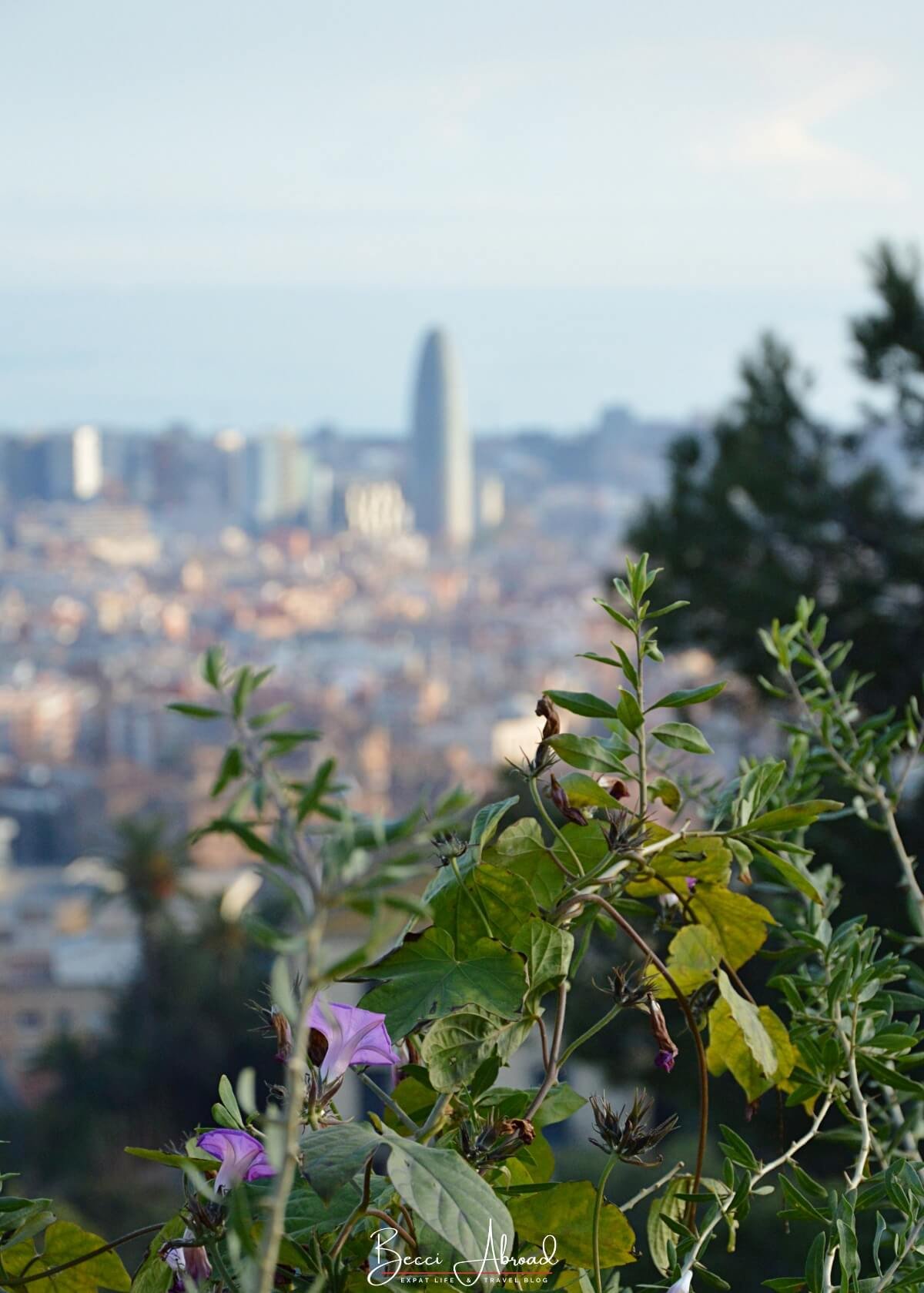
One week is enough for one or two cities, for example Madrid and Barcelona or Valencia and Granada.
By choosing fewer cities in Spain, you might be able to also add a day trip from either, like a day trip from Madrid to Toledo or a day trip from Barcelona to Montserrat.
One week in Spain gives you enough time to settle in, eat well, and start to understand how a place works.
Two weeks is the sweet spot for first-timers who want to experience a bit more of Spain.
A common route for a first-timer two-week trip to Spain is:
You can easily do this 2-week trip entirely by train.
With two weeks in Spain, you can also choose to focus on a completely different lesser-visited region in Spain instead of the traditional Madrid-Barcelona route.
Three weeks or more opens up the Basque Country, Galicia, the islands, and the slower, less-visited corners that most guidebooks skip over.
Spain has several major international airports, depending on where you are heading — plus train and ferry connections if you are already in Europe.
The best way to find affordable flights to Spain is to compare prices on Skyscanner or Kiwi.com, and to be flexible on dates.
Here are some of Spain’s most popular airports:
Adolfo Suárez Madrid-Barajas Airport (MAD) is Spain’s largest and busiest airport, with direct connections to destinations across North America, Latin America, and Europe.
Barajas Airport is a good entry point if you are starting your trip in central or southern Spain.
Barcelona El Prat Airport (BCN) is the second-largest airport, with extensive European connections and some transatlantic routes.
El Prat Airport is a good is a entry point for northeast Spain.
If you are heading straight for the islands rather than the mainland, you can skip Madrid or Barcelona entirely and fly directly in.
Palma de Mallorca Airport (PMI) is your entry point for the Balearic Islands, and it becomes one of the busiest airports in Europe come summer
For the Canary Islands, Las Palmas (LPA) and Tenerife South (TFS) are the two main gateways, both well connected to the rest of Europe and to each other, in case you want to island-hop once you land.
Málaga Costa del Sol Airport (AGP) is the main gateway to Andalusia and the Costa del Sol, with a huge number of direct flights from UK and European cities.
Spain is also reachable by train from elsewhere in Europe.
The high-speed Renfe-SNCF service connects France with Spain, with routes running to both Barcelona and Madrid.
The Barcelona-Paris route takes around six and a half hours and crosses right past the Pyrenees.
There are also regional connections into Spain from Portugal; however, there are no direct train connections at the moment.
You can also arrive in Spain by long-distance bus from elsewhere in Europe.
FlixBus runs an extensive network of international routes into Spain, connecting cities like Paris, Lyon, and Marseille in France, as well as destinations in Germany, Italy, and beyond, directly to Barcelona, Madrid, and other major Spanish cities.
Fares are often a fraction of the price of a flight or a train ticket, especially if you book a few weeks ahead. However, you are trading speed for savings as the buses are a lot slower than the trains. A route like Paris to Barcelona can easily take 14 to 16 hours by bus, compared to the 6,5 hours with a train.
ALSA, Spain’s own long-distance operator, also runs international connections from France and Portugal, and tends to be a solid, comfortable option if FlixBus does not cover your particular route.
The buses themselves are generally comfortable, with reclining seats, onboard toilets, and Wi-Fi that works about as well as you would expect from free Wi-Fi.
Spain is also reachable by sea.
Ferries connect the south of Spain with Morocco, sailing from Algeciras, Tarifa, and Ceuta, so if you are combining a Spain trip with a taste of North Africa, this is your route across.
From Italy, ferries run to Barcelona and Valencia.
If you are coming from the UK, Brittany Ferries sails from Portsmouth to both Santander and Bilbao.
Spain’s transport network is one of its great strengths. Getting between cities is genuinely easy and in most cases faster and more pleasant than flying.
Spain has one of the most extensive high-speed rail networks in the world. The AVE (Alta Velocidad Española) connects Madrid with Barcelona (2.5 hours), Seville (2.5 hours), Málaga (2.5 hours), Valencia (1.5 hours), Bilbao (5 hours), and many other cities.
For shorter regional routes, Renfe’s Media Distancia trains cover destinations that the high-speed line does not reach.
Book train tickets in advance through Renfe’s website or an app like Trainline, especially during peak travel periods. Prices increase significantly closer to the travel date.
Spain’s bus network is excellent and often cheaper than the train, especially for routes the high-speed rail does not cover well.
The main operators are ALSA and FlixBus.
Buses are comfortable, reliable, and a good option for reaching smaller towns.
Domestic flights make the most sense for routes that are far apart, like travel from Madrid to the Canary Islands.
The domestic routes in Spain are operated by the flight companies Iberia, Vueling, and Ryanair.
However, for most mainland connections, the train is faster and more convenient when you factor in that you need to be at the airport hours before departure.
Renting a car is worth considering if you want to explore rural Andalusia, the white villages, Galicia, or the Canary Islands.
The Spanish roads are generally well-maintained and easy to navigate.
However, manoeuvring and parking in city centers can be chaotic and stressful (and not really necessary, since Spanish cities have great public transportation systems), so I recommend keeping the car for the countryside.
Most of Spain’s major cities have excellent public transport, and once you get the hang of it, you will probably wonder why you ever considered renting a car.
Madrid and Barcelona both have extensive metro networks that will get you almost anywhere you need to go, fast, cheap, and without the stress of parking.
Seville, Valencia, and Bilbao are smaller and more walkable cities. But they still have their own trams and metro lines, so you are rarely more than a short walk from a stop.
And if public transport is not quite cutting it, ride-hailing apps step in nicely. Uber, Cabify, and FreeNow all operate in the major cities, and prices tend to be reasonable.
Spanish food culture is, without a doubt, one of the great pleasures of visiting this country. There are a few things worth knowing before you sit down at your first table.
Meal times in Spain run later than you would expect, and this alone trips up more visitors than almost anything else.
In Spain, lunch is usually the main meal of the day, eaten somewhere between 2 pm and 4 pm, and dinner rarely starts before 9 pm.
Most restaurants in Spain simply don’t open their kitchen before 8 pm, and locals normally don’t show up at the restaurants until 10 pm or later.
If you show up at a restaurant in Spain at 7 pm, you will basically be wearing a sign that says “tourist”.
Spanish drinking culture is very different from the drinking culture I was used to in Denmark, where you’ll basically meet up with friends to get drunk. In Spain, you can meet with friends for tapas and a beer and then call it a night.
Wine is both affordable and of good quality in Spain since Spain has several wine-producing regions.
The most famous wine regions in Spain for red wines are Rioja and Ribera del Duero. For sparkling wines, Catalonia’s Cava wines are definitely worth a try too!
Vermouth, or vermut in Spanish, is a popular pre-lunch drink, especially in Madrid and Barcelona, and it has become my go-to drink for social gatherings. Vermouth is a fortified and aromatized wine with a sweet taste to it.
There are different styles of vermouth, such as vermut rojo (red vermouth) with a darker and sweeter taste to it, and vermut blanco (white vermouth) with a lighter and more floral taste.
During the day in Spain, you are likely to see people sitting at the outdoor seating of bars and restaurants with a glass of wine or a beer. That was definitely something I had to get used to when I moved to Spain.
Here are some of the popular Spanish food and dishes you should try during your trip to Spain:
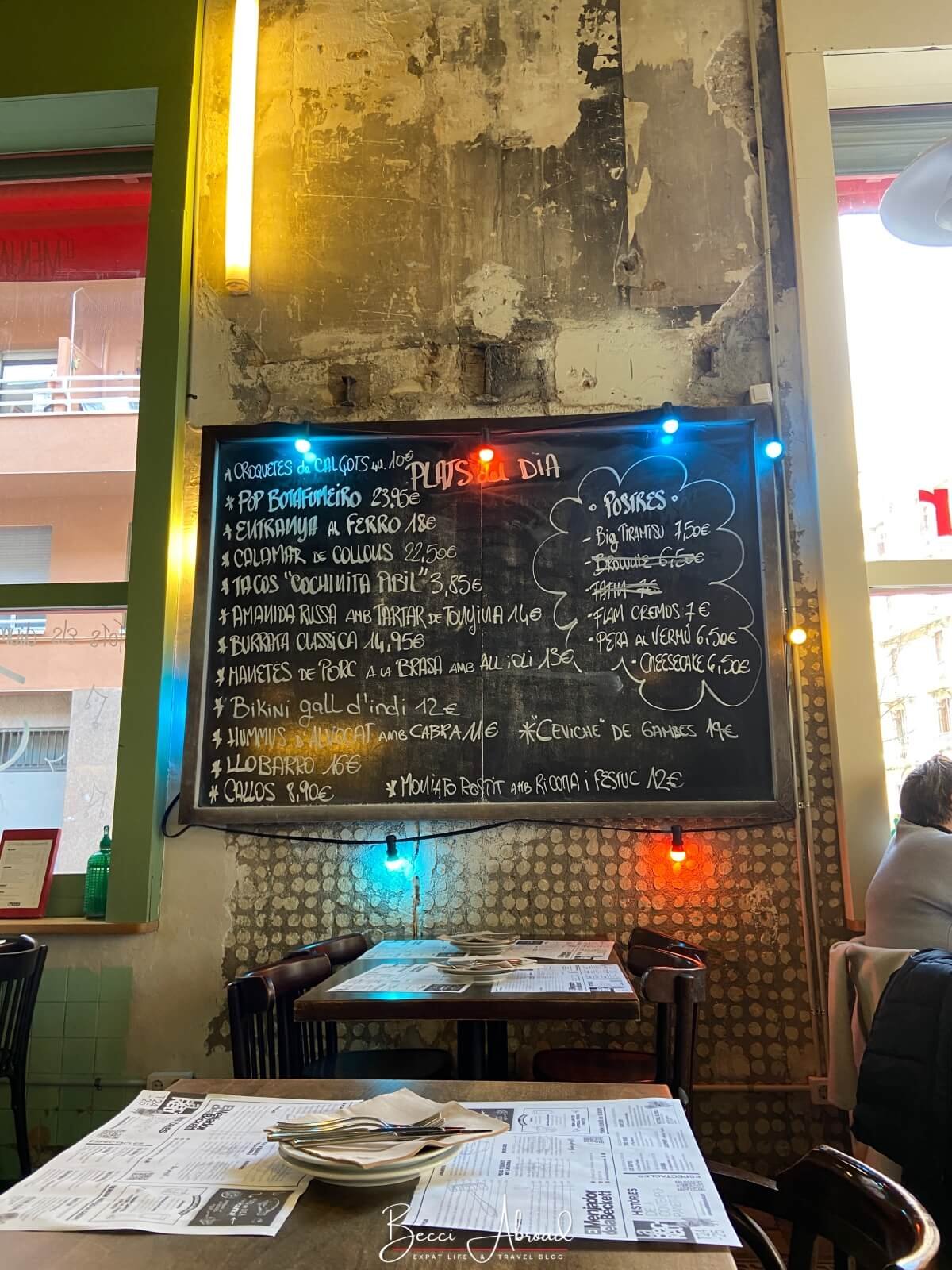
Tapas are small dishes, usually eaten in the evening as a light dinner. Tapas are the social and culinary backbone of Spanish social life. In most of Spain, you pay for tapas, but in some cities in Andalusia, tapas are served free with every drink.
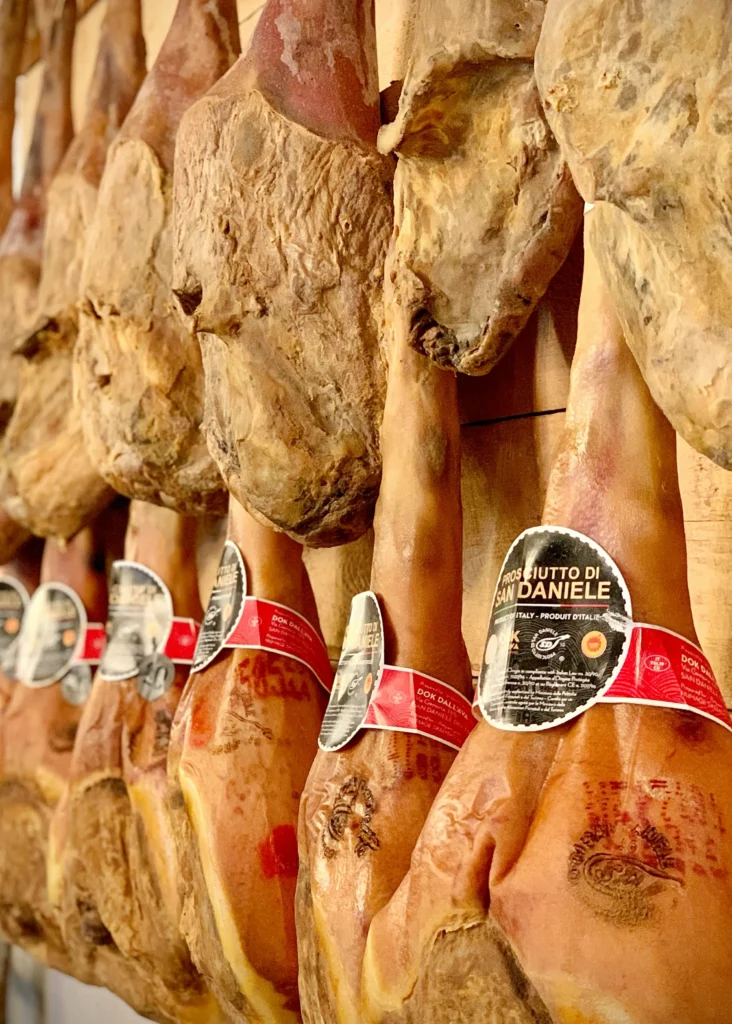
Jamón Ibérico is Spain’s finest cured ham, sliced thin and eaten at room temperature. The best comes from acorn-fed pigs in Extremadura and Andalusia.
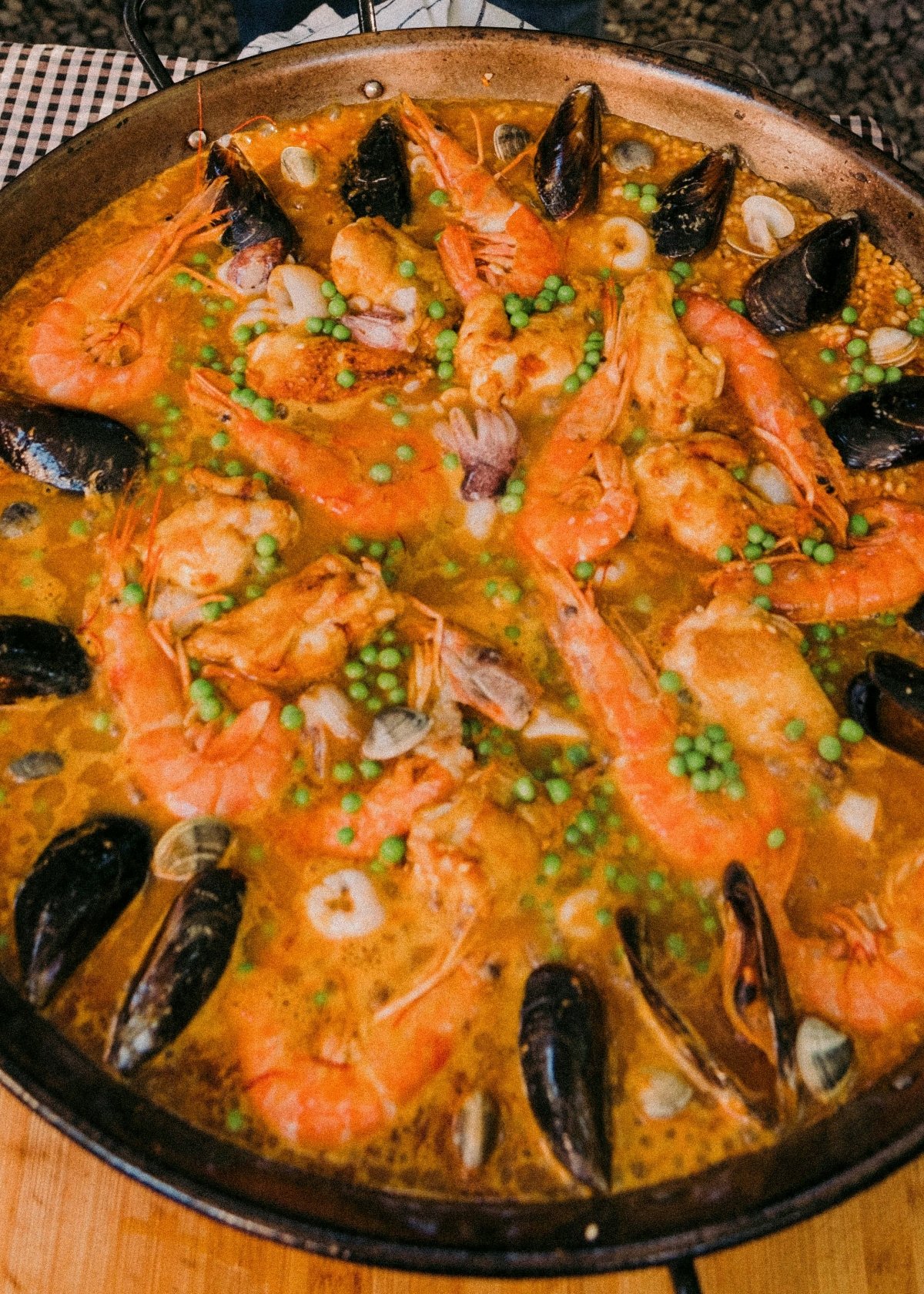
Paella is originally from Valencia, but has become one of Spain’s signature dishes that can now be found in all major cities in Spain. Paella is a lunchtime dish for locals, and the restaurants offering it over dinner are mostly for tourists.
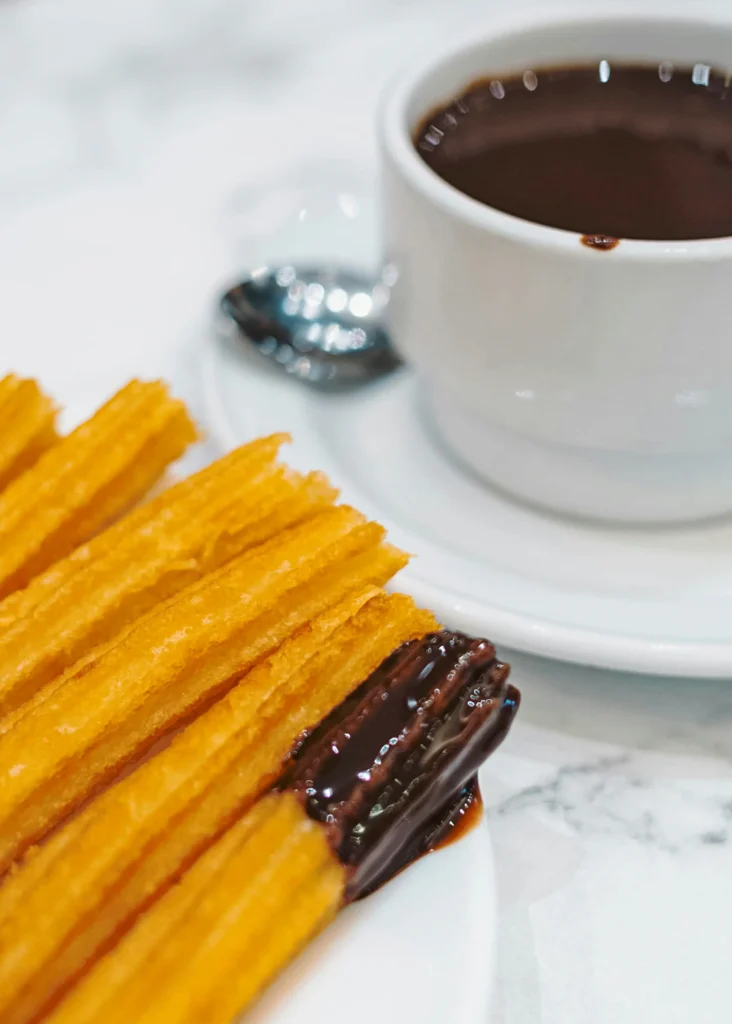
Churros con Chocolate is a Spanish breakfast tradition. The thick, doughy and fried churros are dipped in rich hot chocolate.

Tortilla Española is a traditional Spanish potato omelette that every bar does slightly differently. The debate over whether it should include onion is one of Spain’s ongoing cultural disputes.
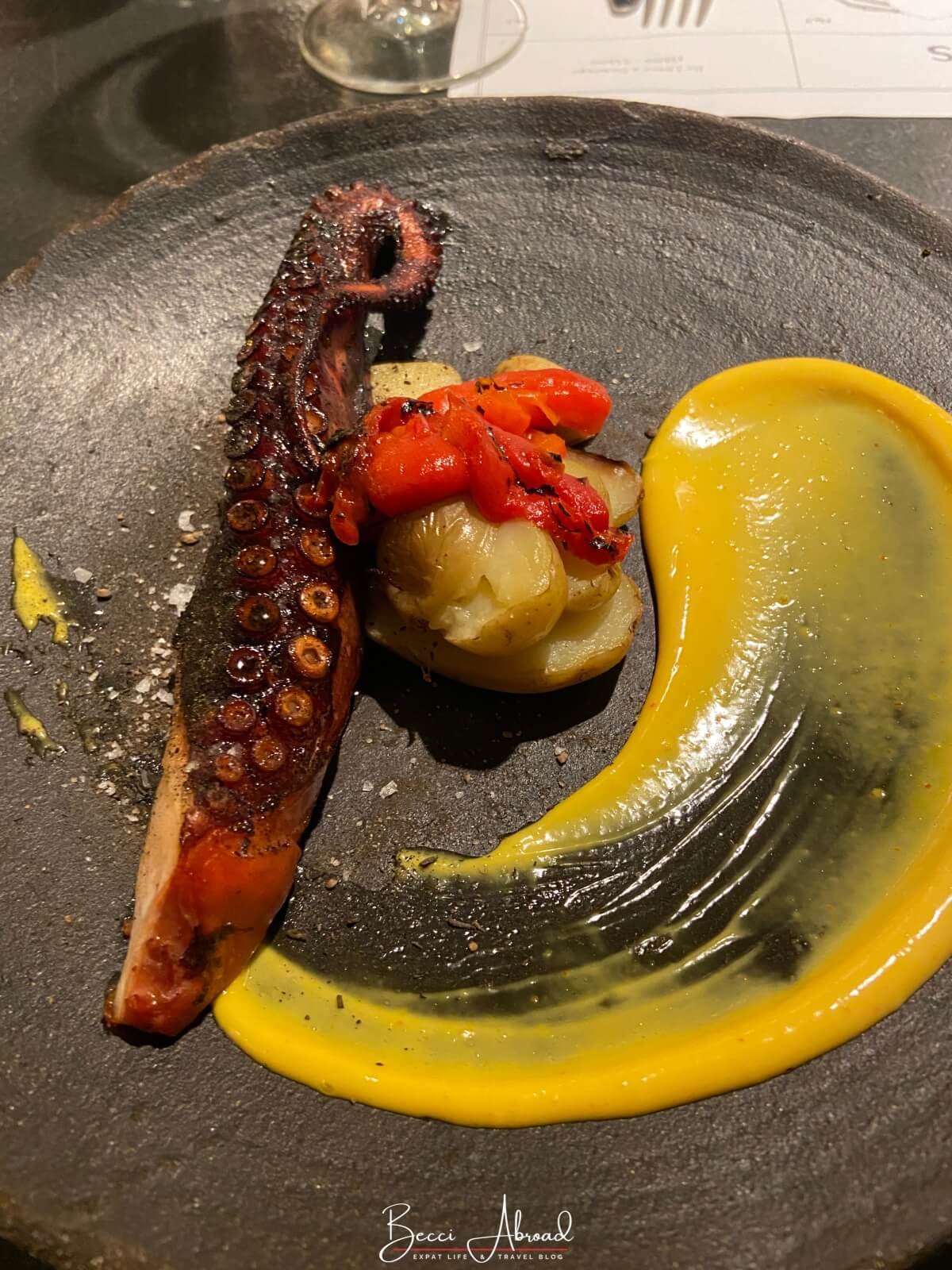
Pulpo a la plancha is grilled octopus, cooked on a hot flat-top grill (the plancha) until the outside is lightly charred and crisp while the inside stays tender.
Explore the map below to learn more about Spain and the many different destinations to visit in Spain.

Fresh out of high school, I went on my second solo trip to Seville, and that was the beginning of a very long love affair with Spain.
Despite everything my Danish teachers had said about how essential it is to speak English, in Seville nobody would speak anything but Spanish to me. I was equal parts baffled and hooked.
A few months later I was back in Spain, where I was offered a job at a hostel in Granada. I stayed nearly two years.
Spain kept pulling me back. After seven years in Buenos Aires, my Argentine husband and I moved to Barcelona in 2023, and then to Madrid in 2025, where we have been living since.

Find answers to commonly asked questions about Spain.
Yes, Spain is very much worth visiting! It’s a diverse country with many beautiful places to visit for city breaks, beach holidays or hiking trips in the mountains.
Spring (March to June) and early autumn (September to October) are the best times for most destinations. Summer is ideal for beaches but very hot inland.
EU citizens do not need a visa. Citizens of the USA, UK, Canada, and Australia can visit visa-free for up to 90 days.
From 2026, non-EU travellers from visa-exempt countries will also need to register for ETIAS before travelling.
Spain is one of the more affordable countries in Western Europe. Budget travellers can get by on 35–60 EUR per day.
The highest costs tend to be accommodation in peak season and entrance fees to major attractions.
Spanish (Castilian) is spoken everywhere. However, Spain is a multilingual country with many regional languages:
Catalan is co-official in Catalonia, Valencia, and the Balearic Islands.
Basque is spoken in the Basque Country and parts of Navarra.
Galician is spoken in Galicia.
In major tourist areas, English is widely understood.
The high-speed AVE train network is the best option for intercity travel — fast, comfortable, and increasingly affordable if you book in advance. Long-distance buses are cheaper and cover smaller towns. Renting a car is useful for rural areas.
Tapas, jamón ibérico, paella (especially in Valencia), pintxos (especially in the Basque Country), tortilla española, and churros con chocolate are the unmissable eating experiences in Spain.
Yes, Spain is very safe overall. Pickpocketing in tourist areas, especially in Barcelona, is the main risk. Keep your belongings close in crowded areas, and you will be fine.
Sign up for my monthly travel newsletter with travel tips and hidden gems! You can unsubscribe at any point!